News & Topics

06
2025.11.27

The 2nd CAMPUS Asia International Symposium was held at Nagasaki University

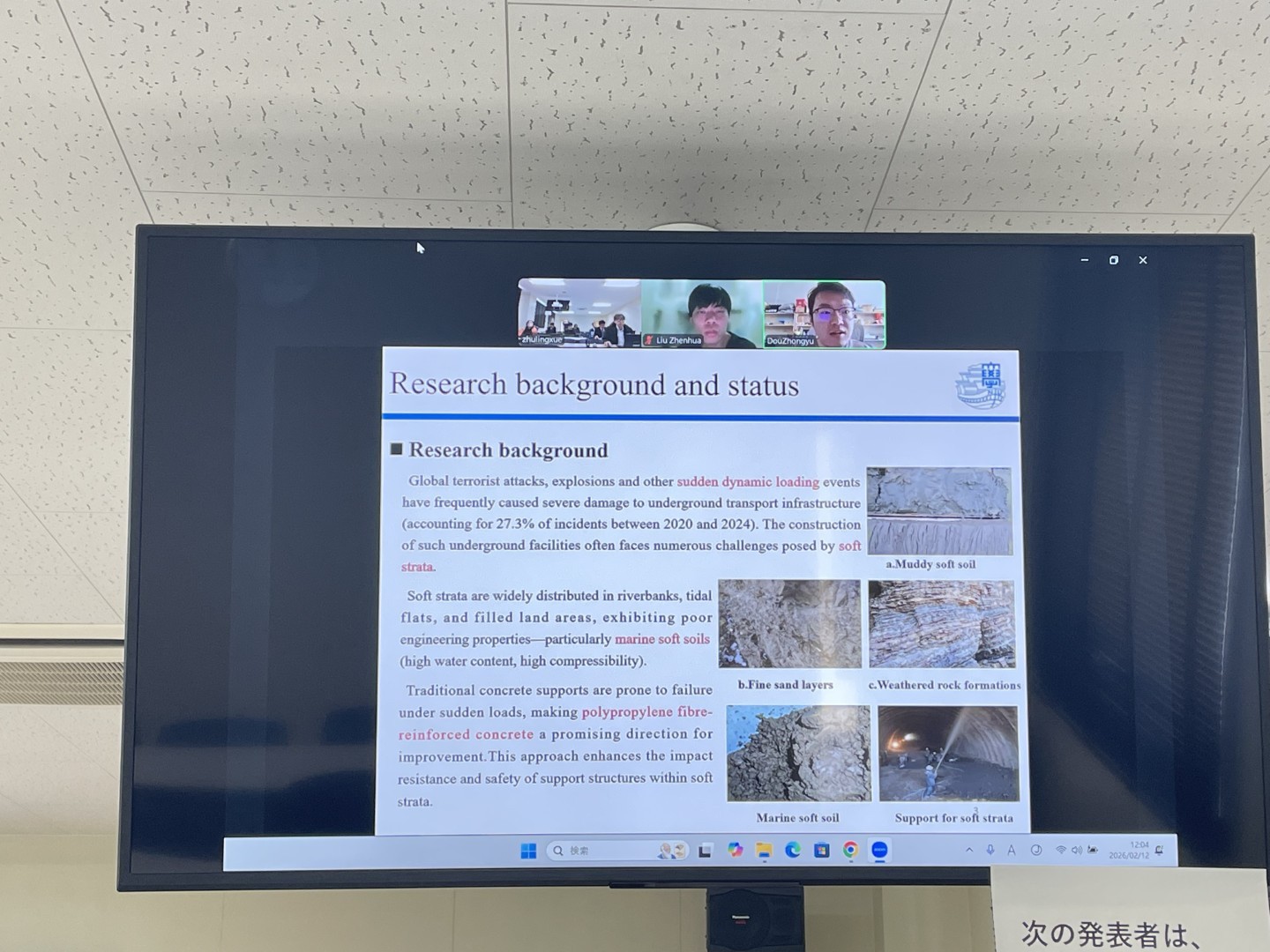
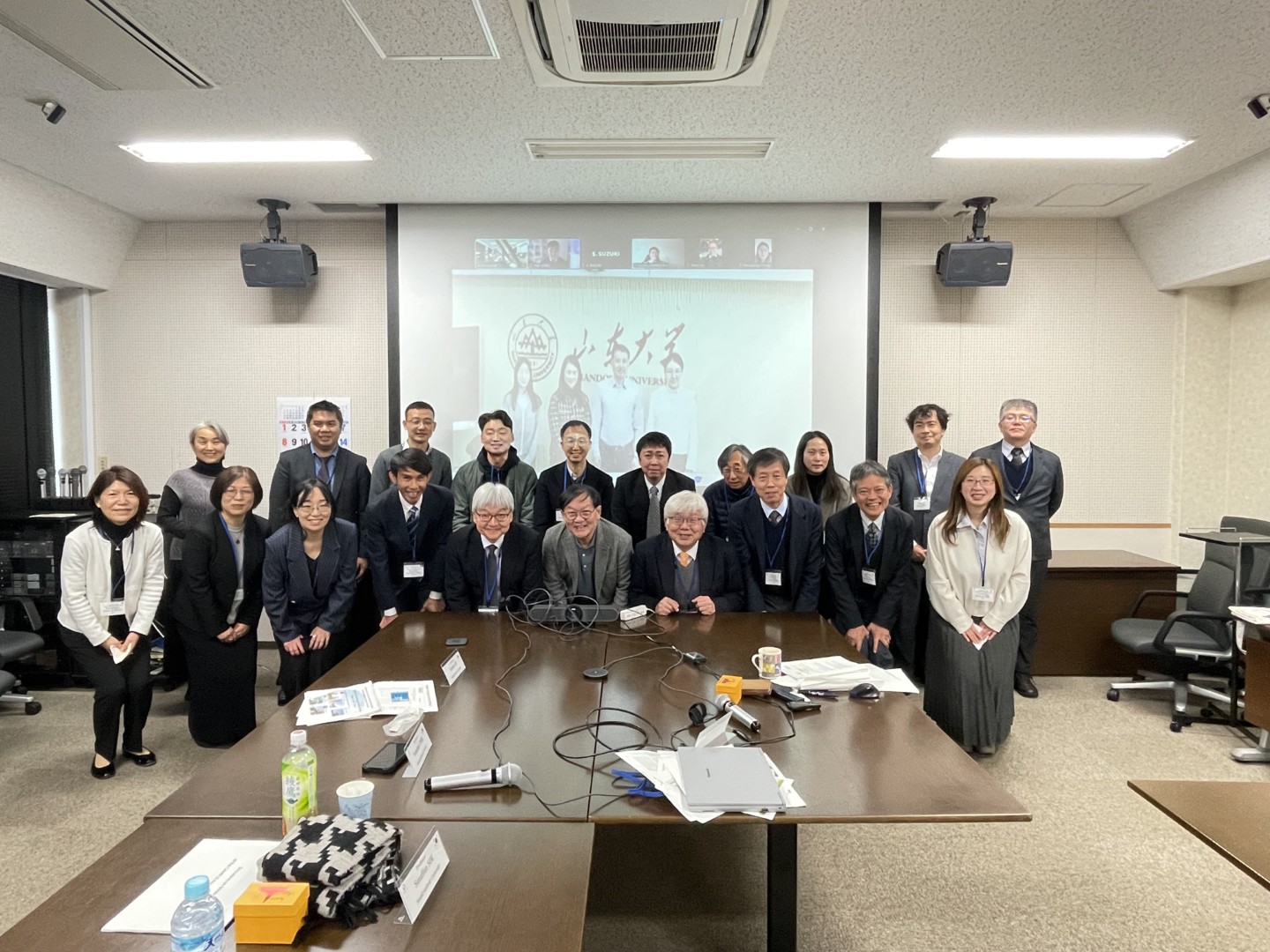
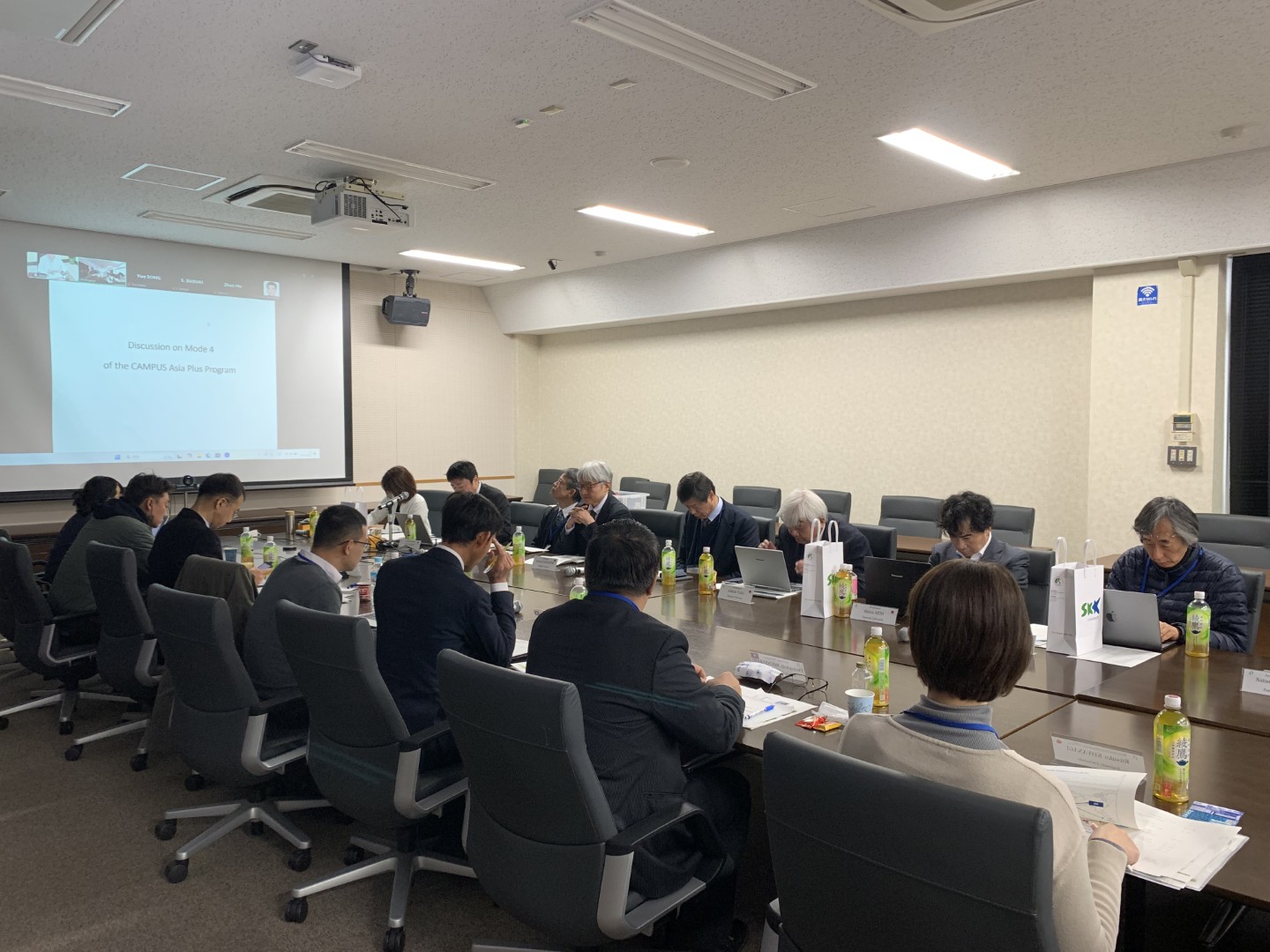
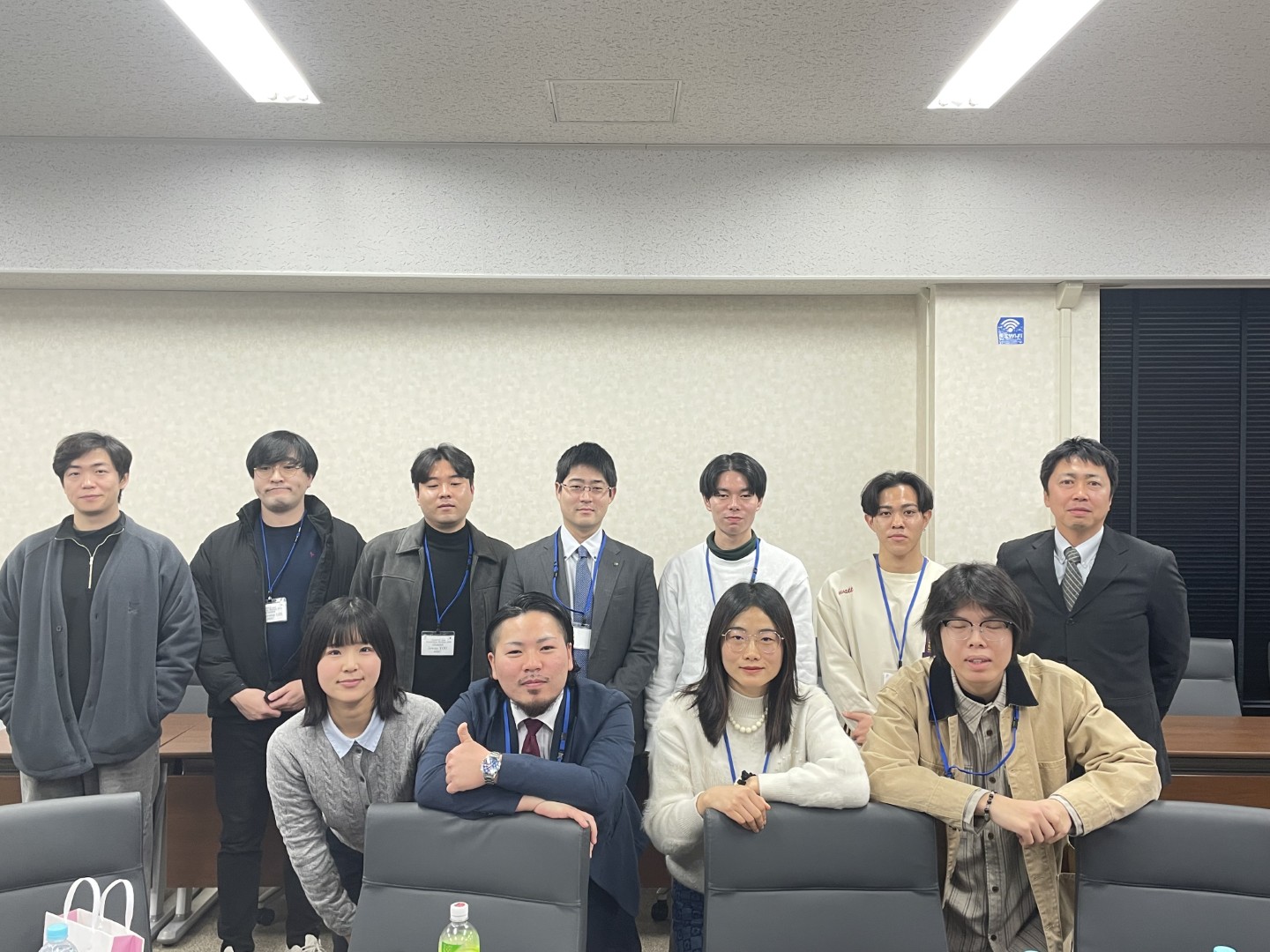
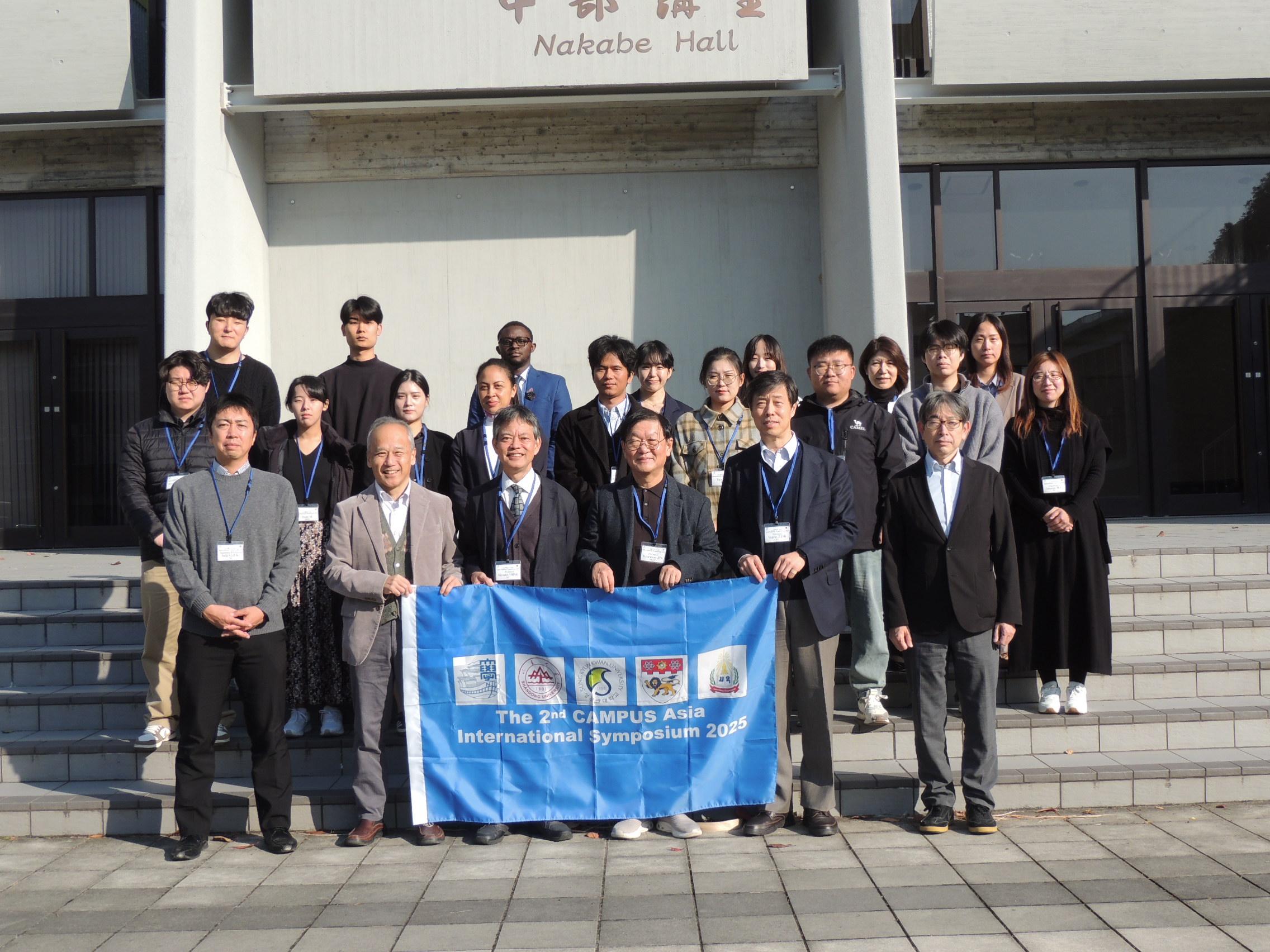
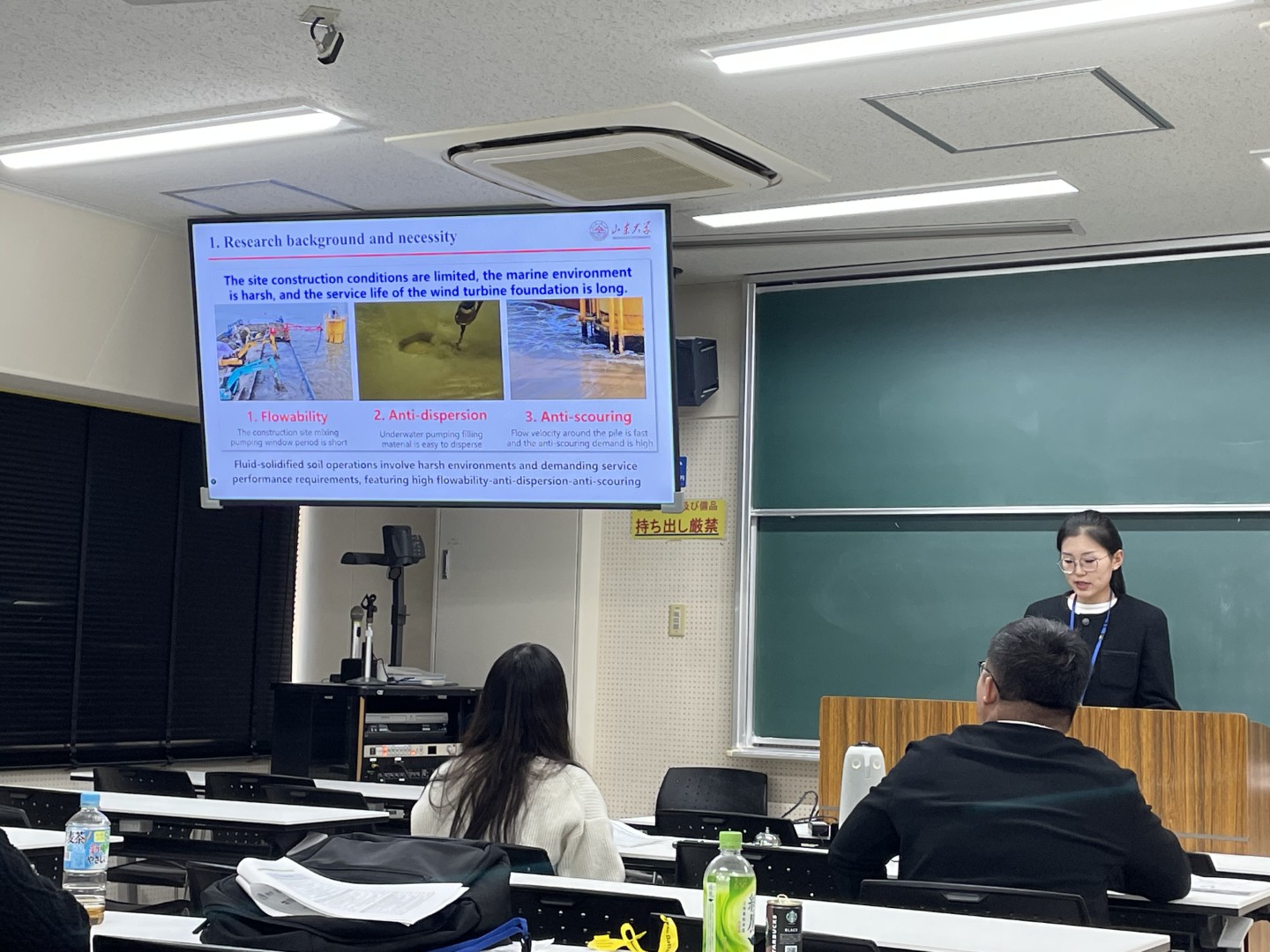
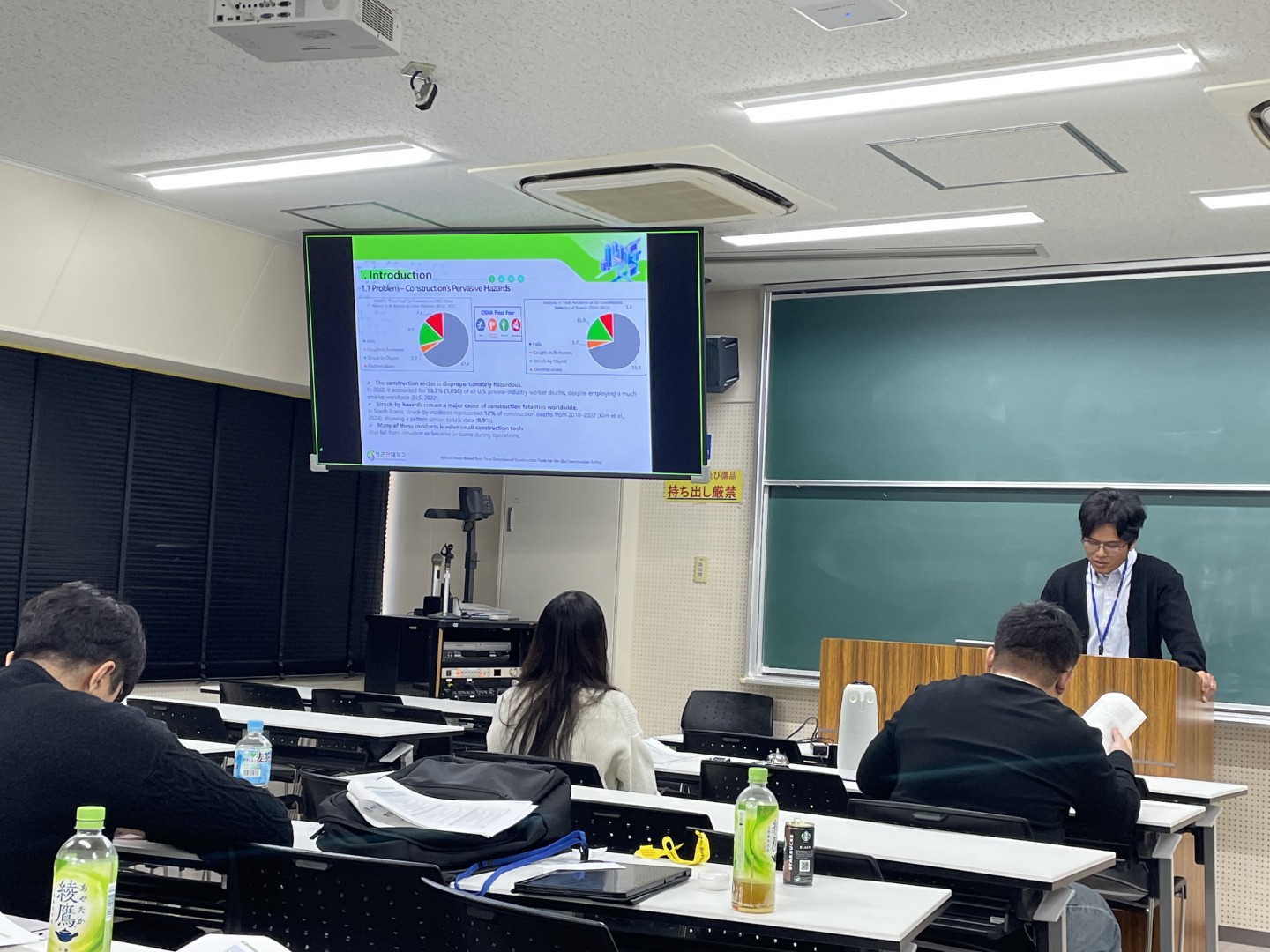
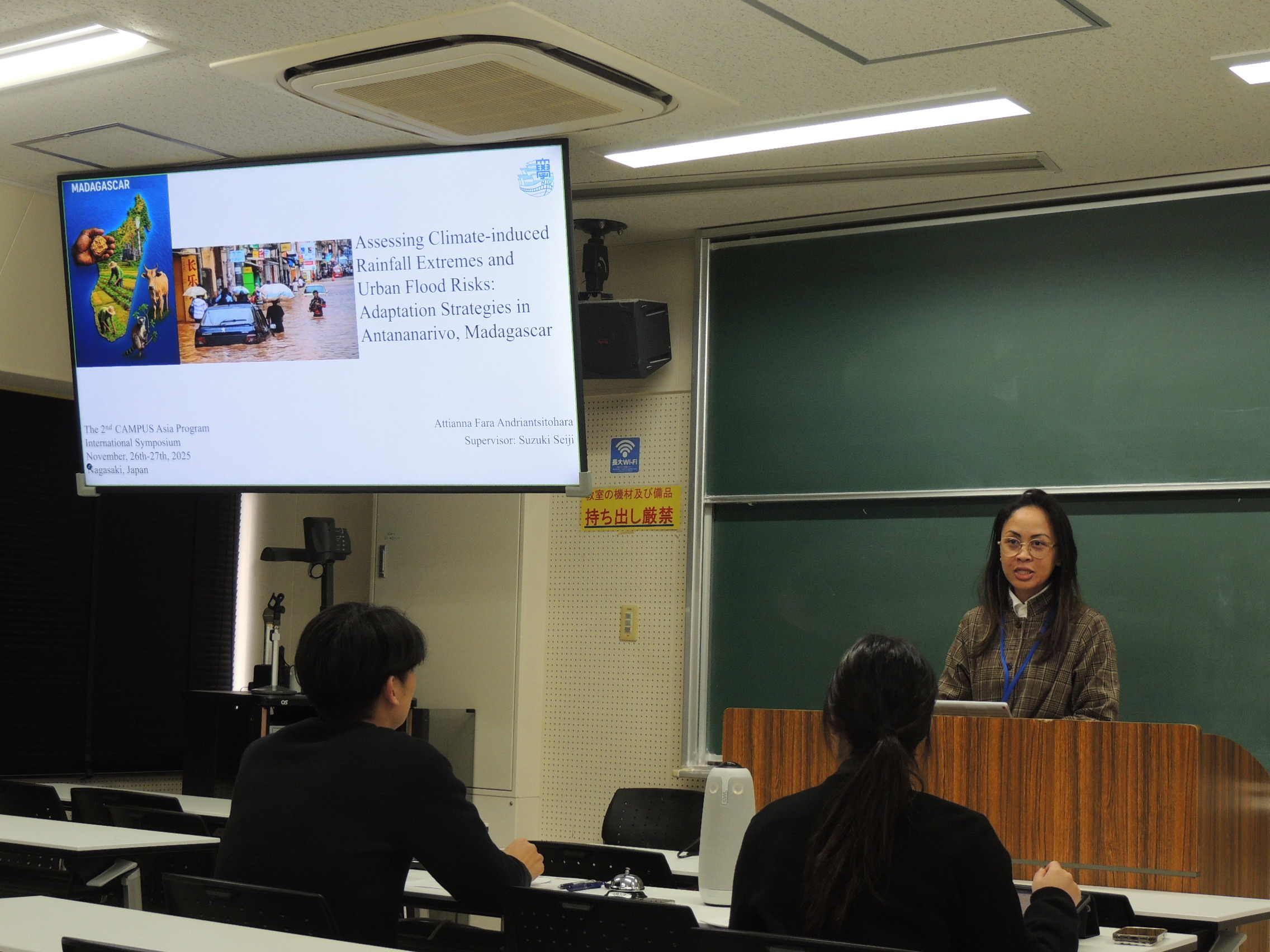
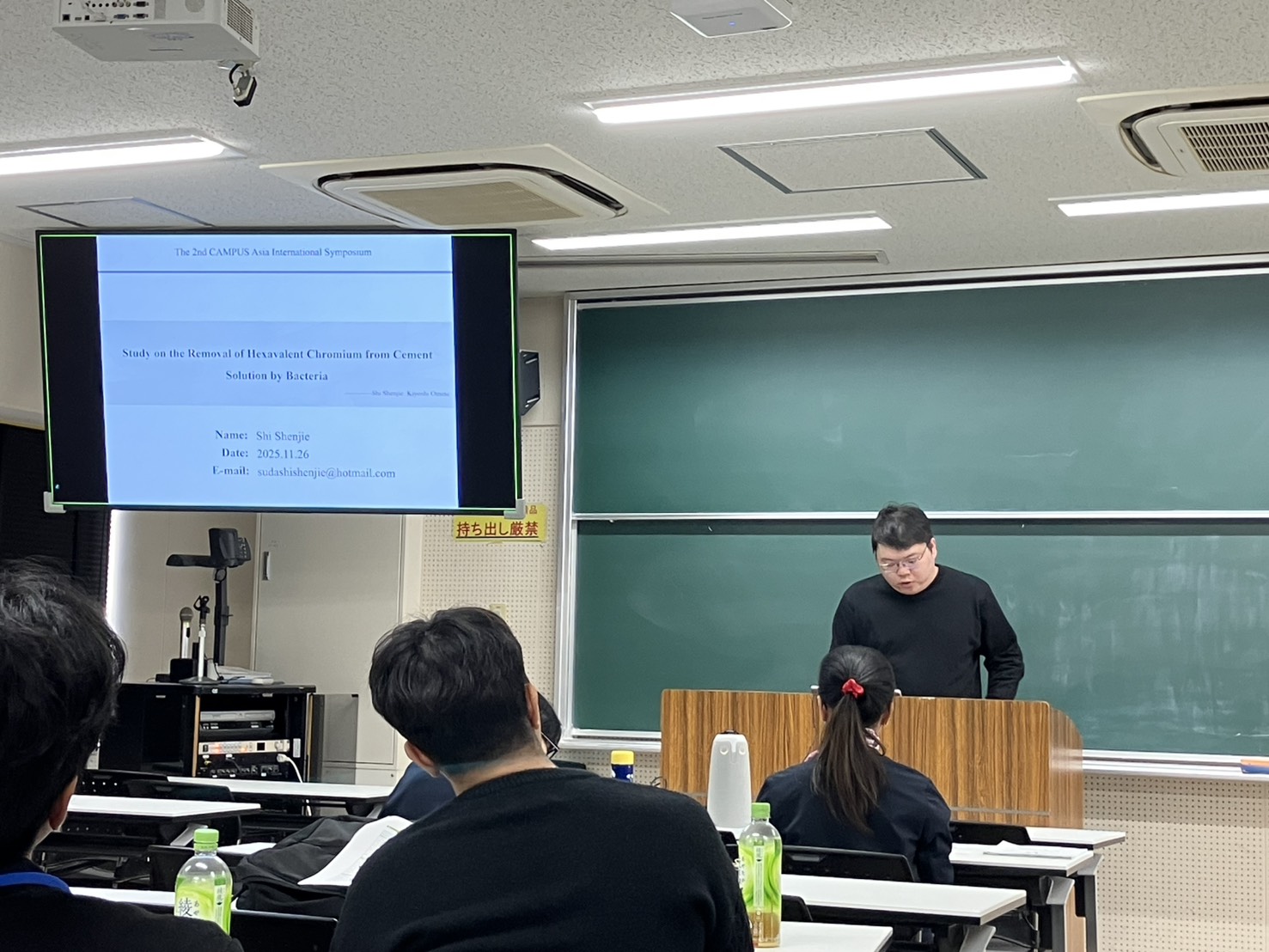
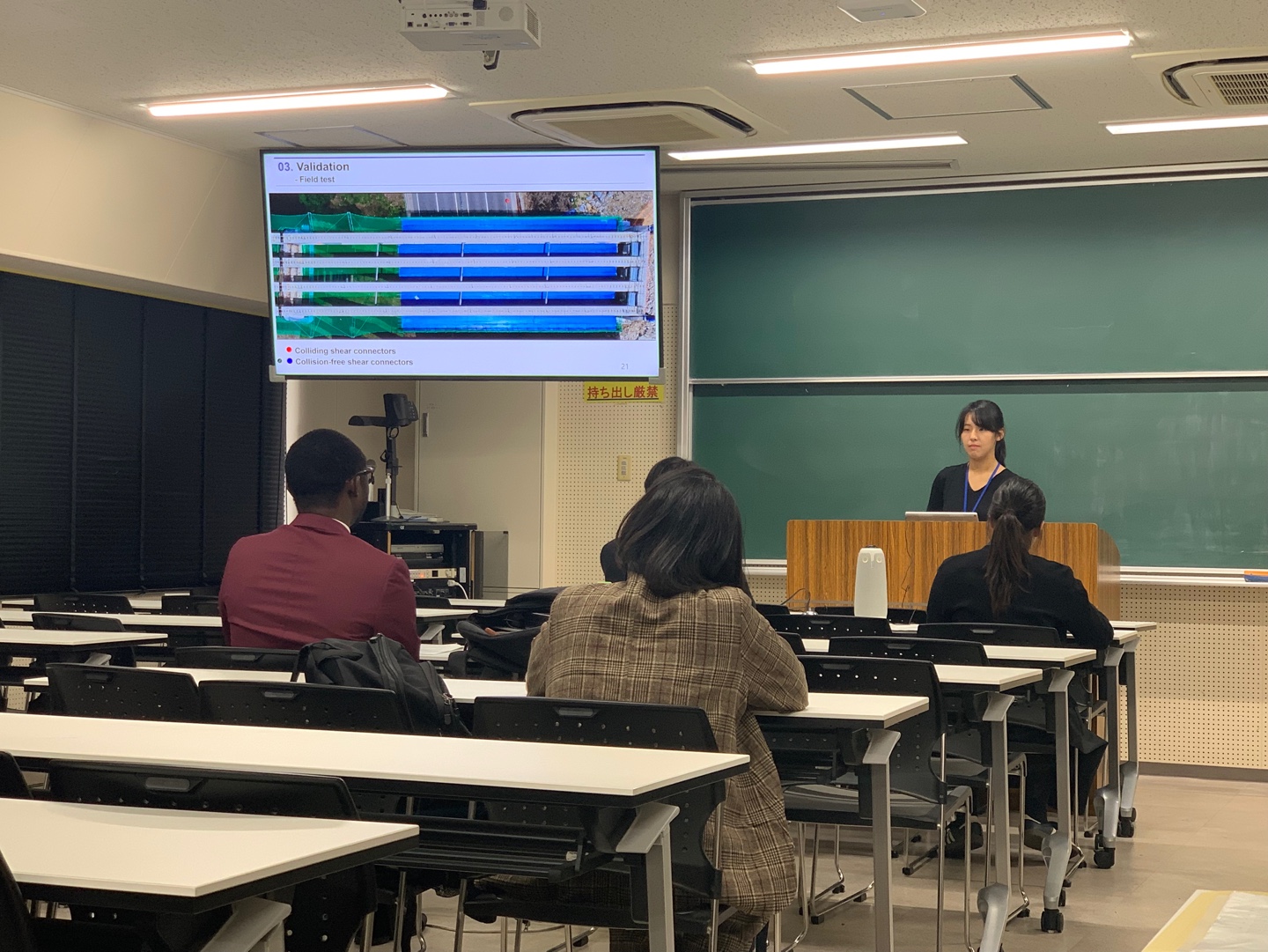
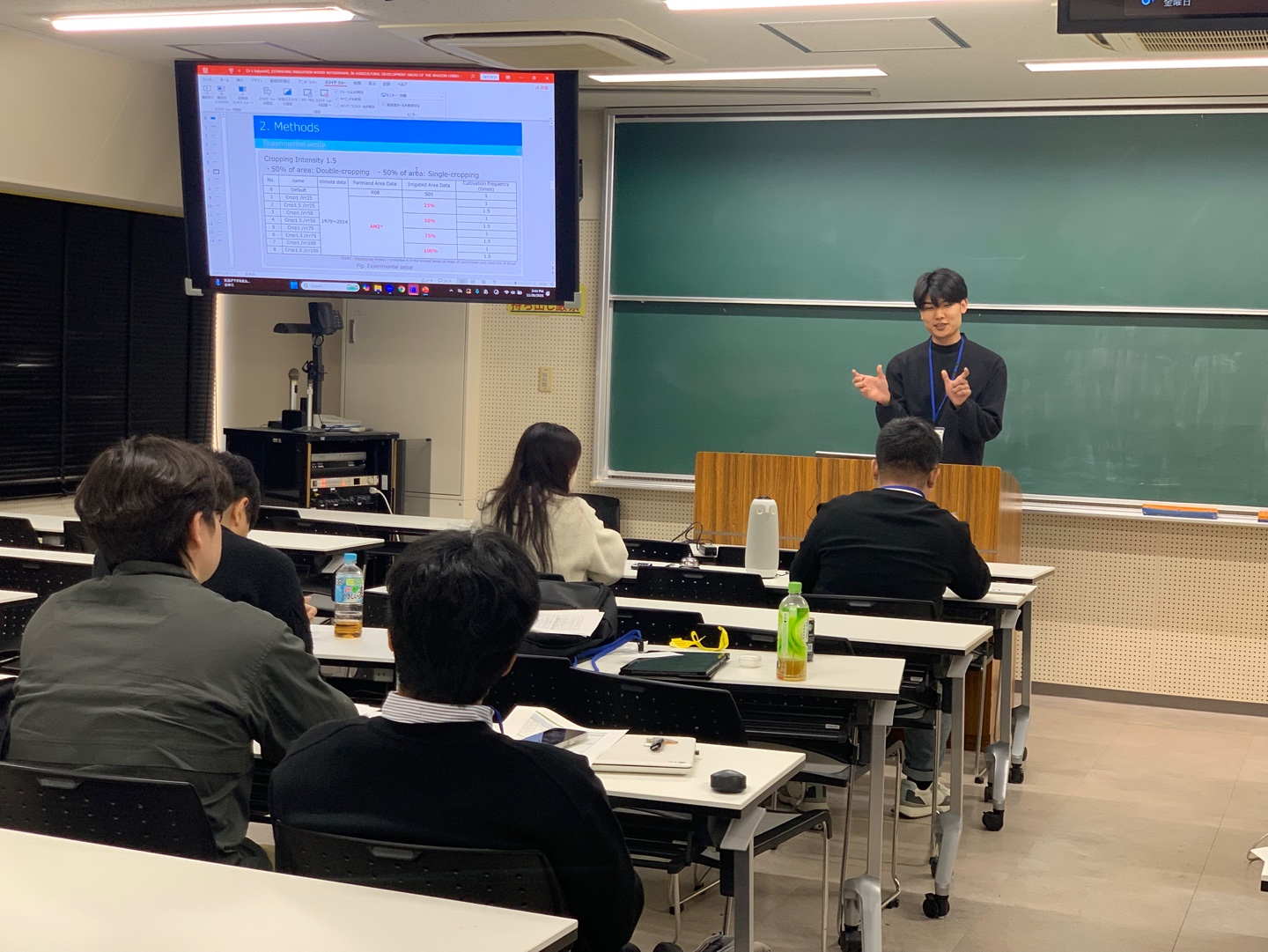
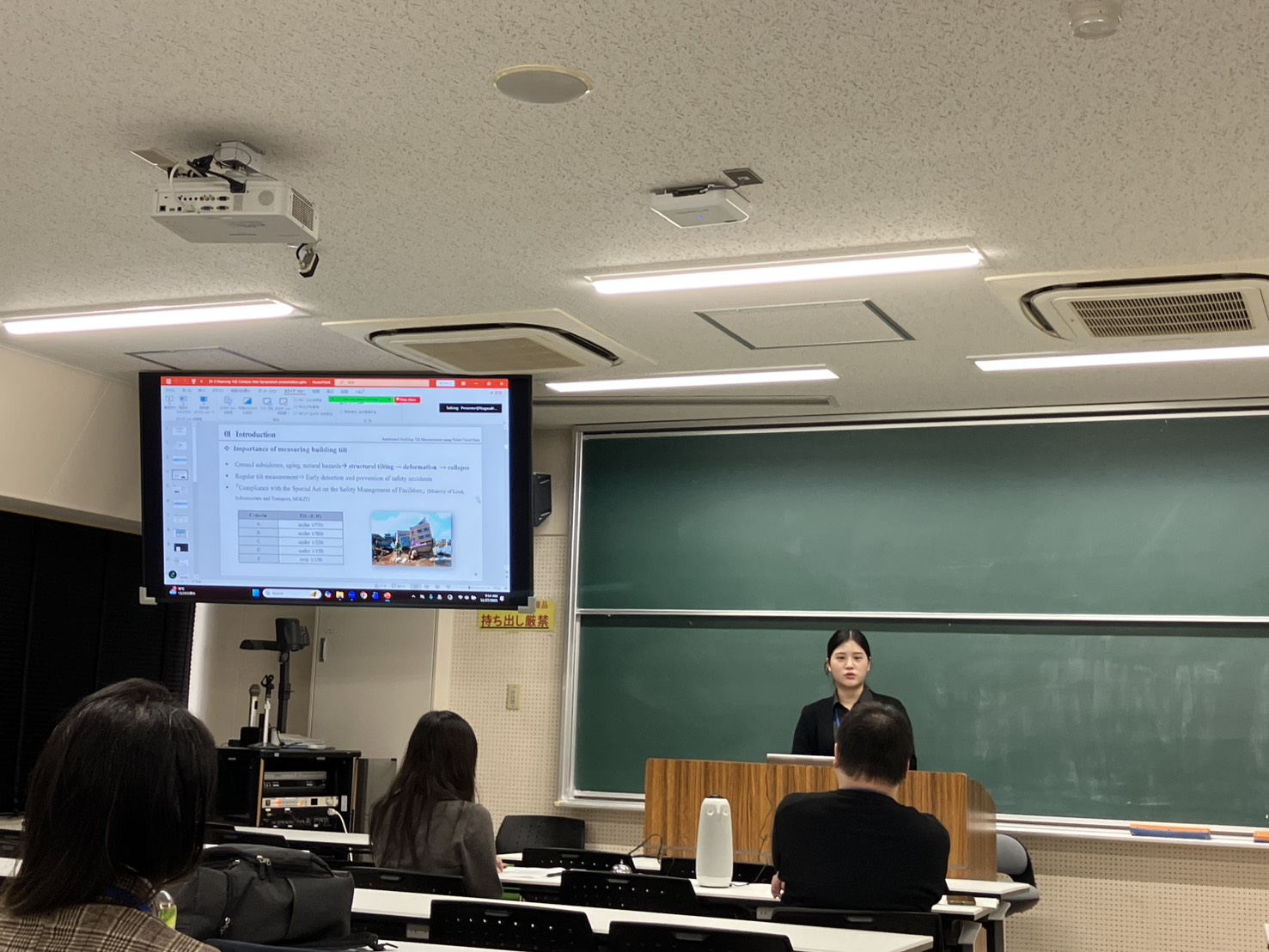
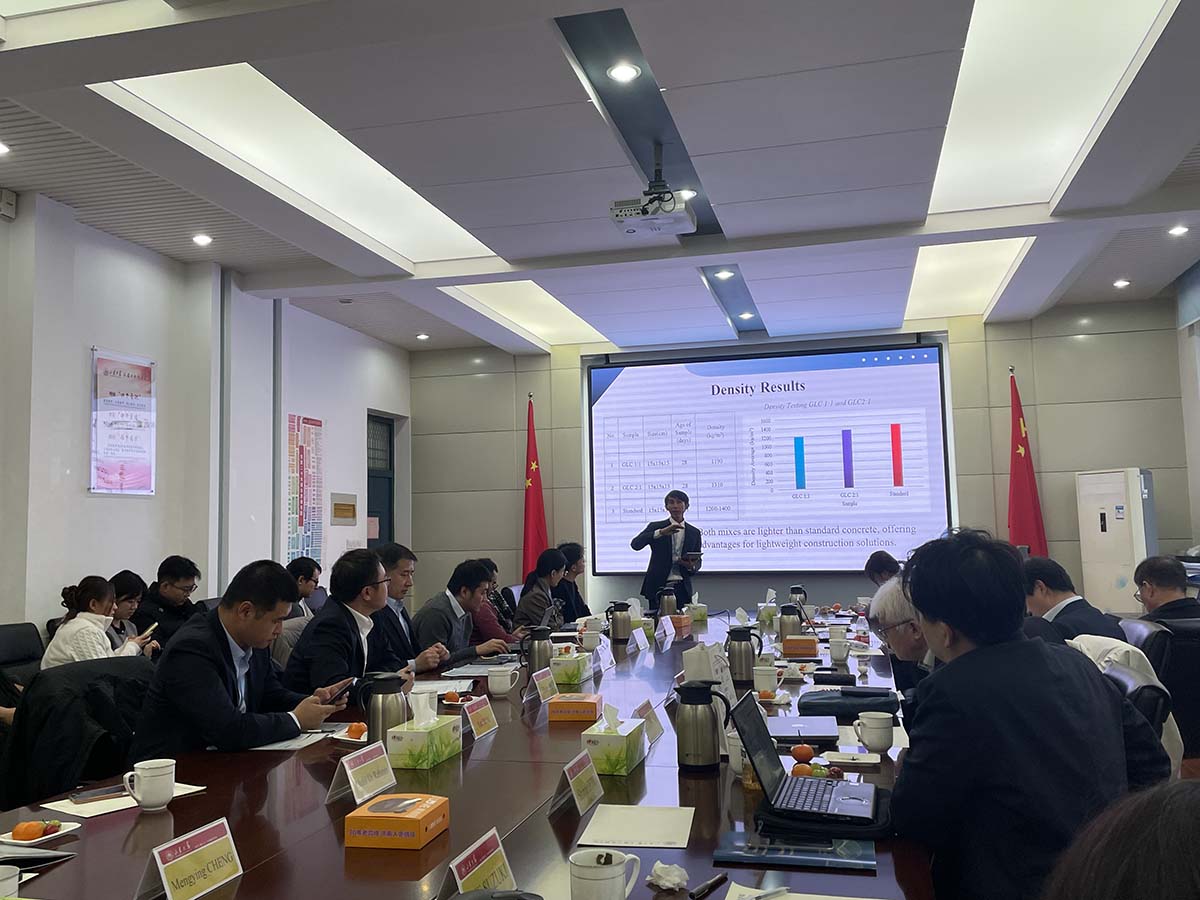
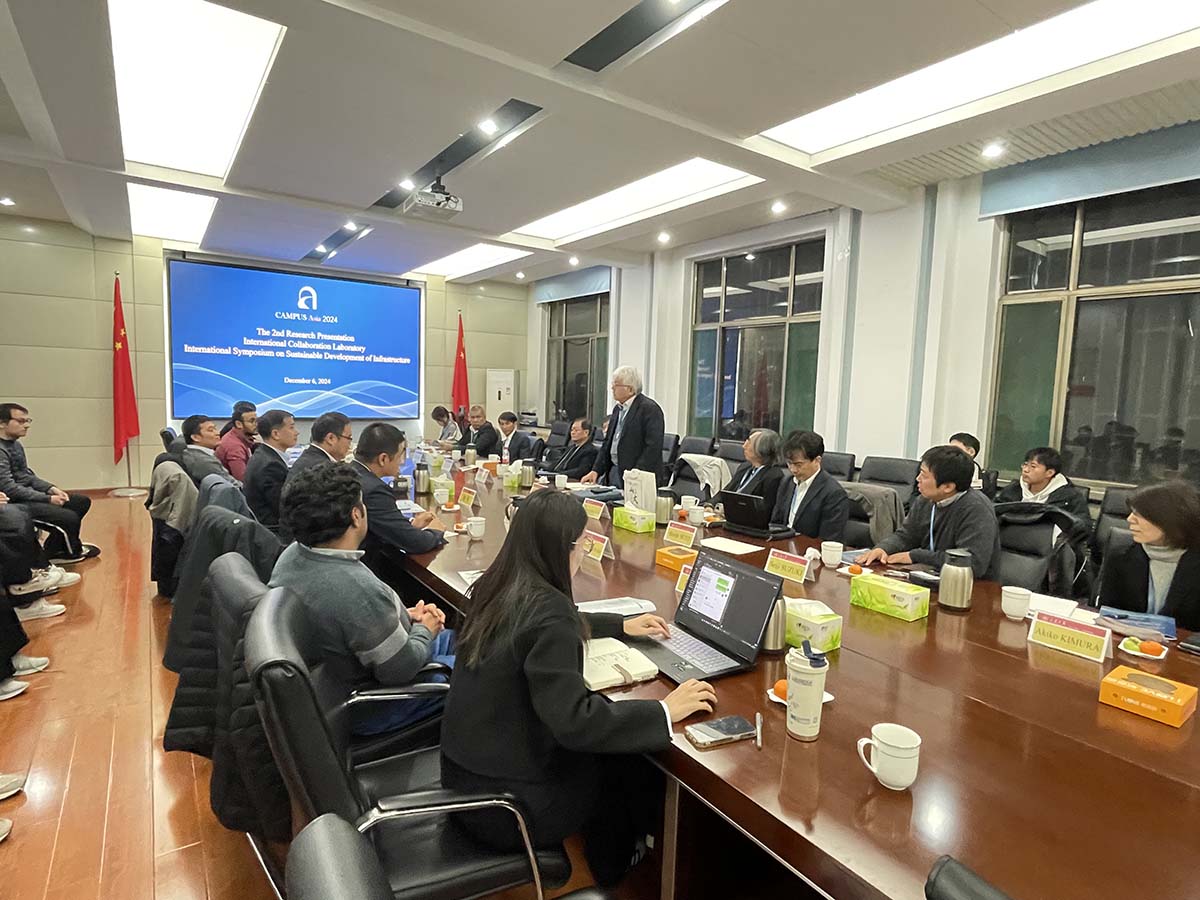
On November 26-27, Nagasaki University hosted the 2nd CAMPUS Asia International Symposium, inviting 20 master’s and doctoral students from four partner universities: Shandong University (China), Sungkyunkwan University (South Korea), Nanyang Technological University (Singapore), and Nagasaki University.

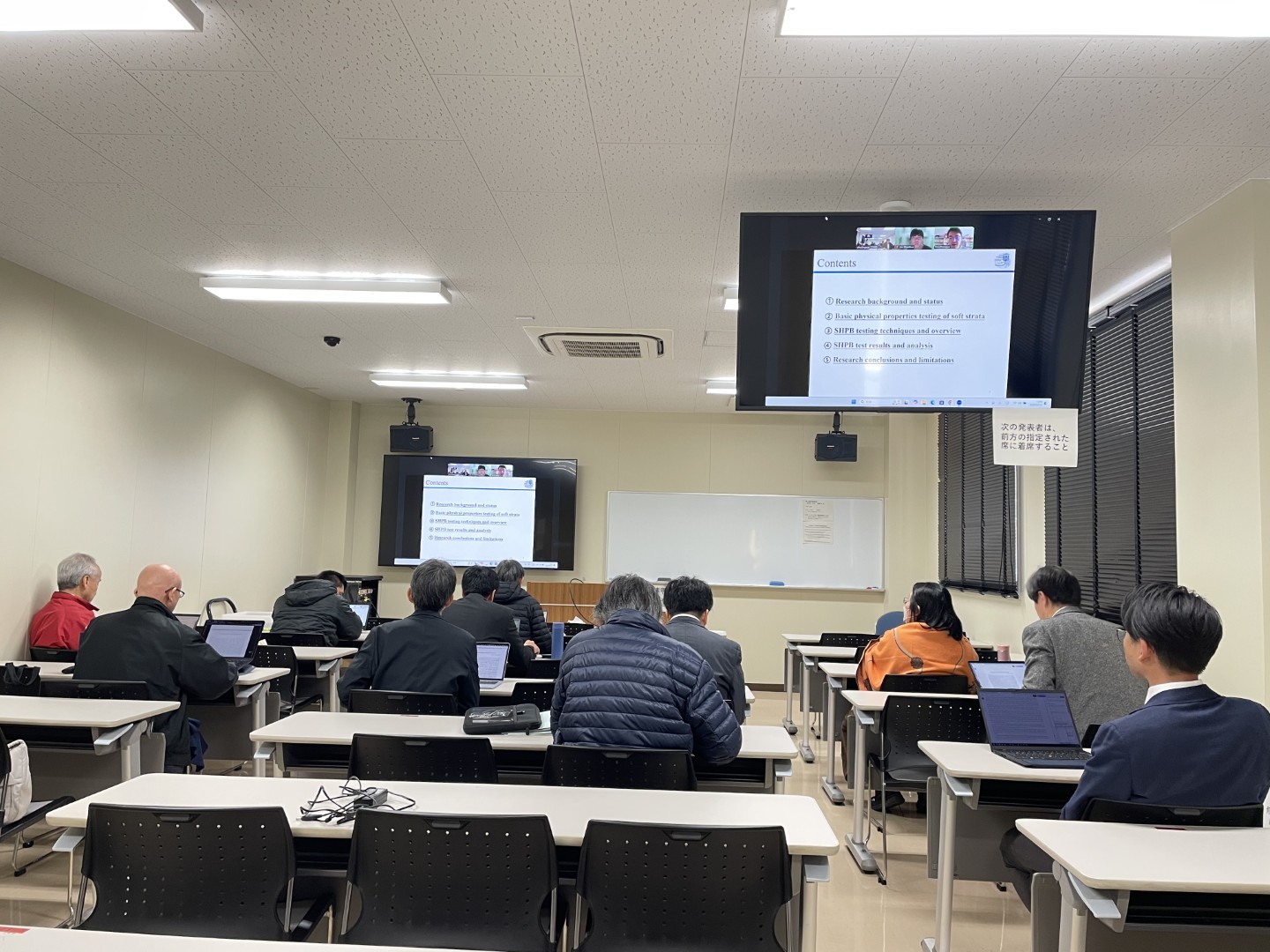
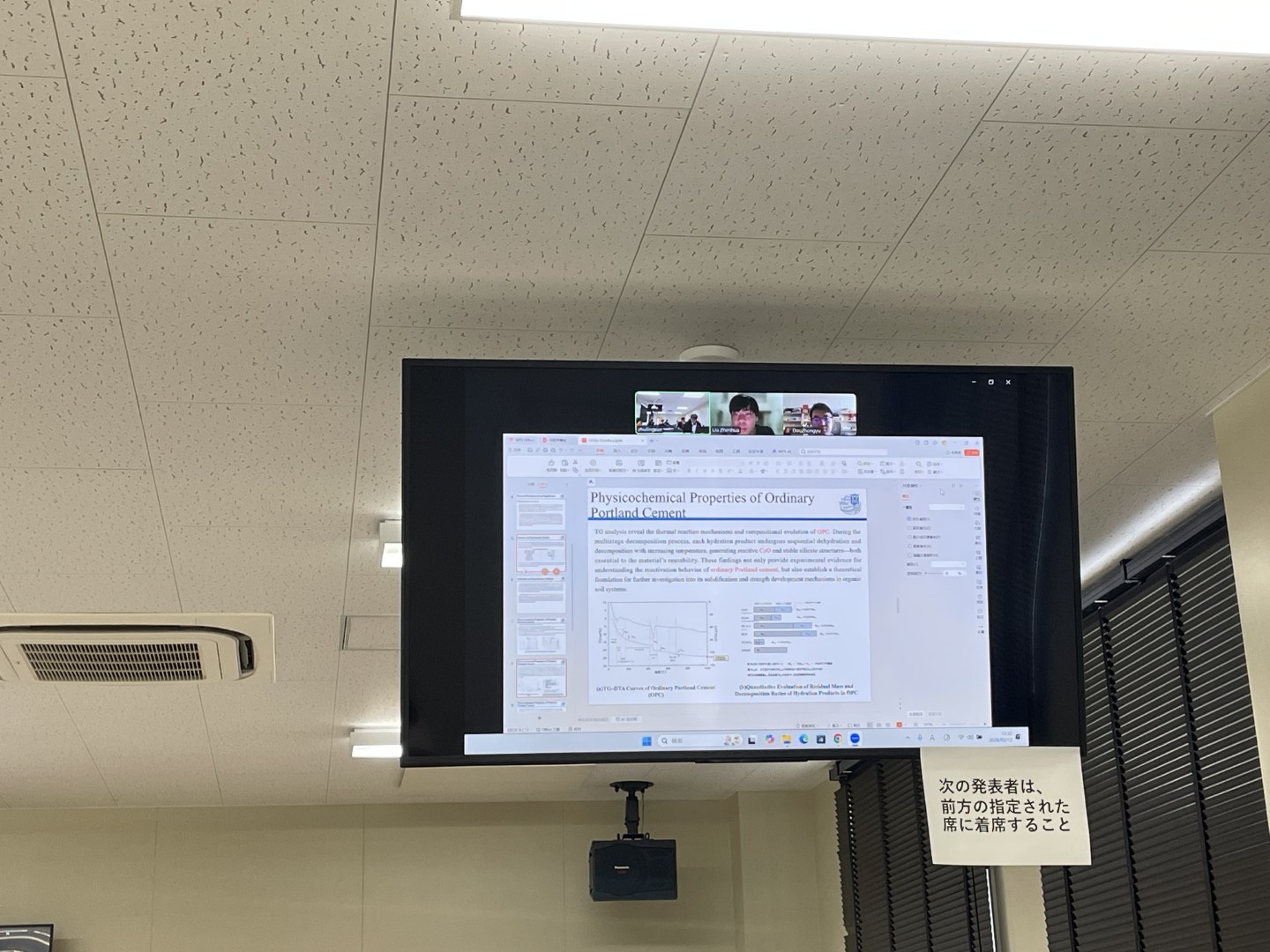
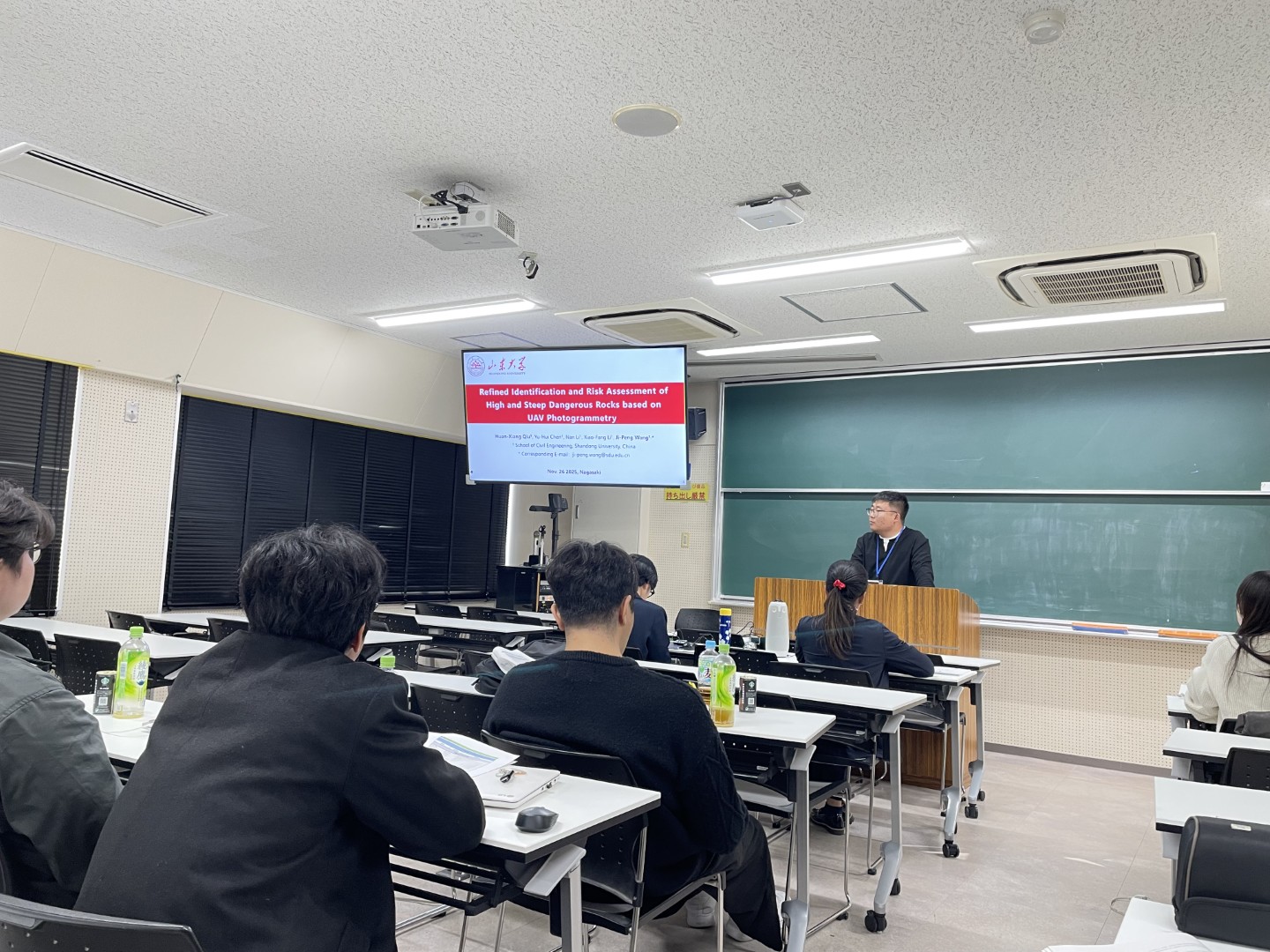
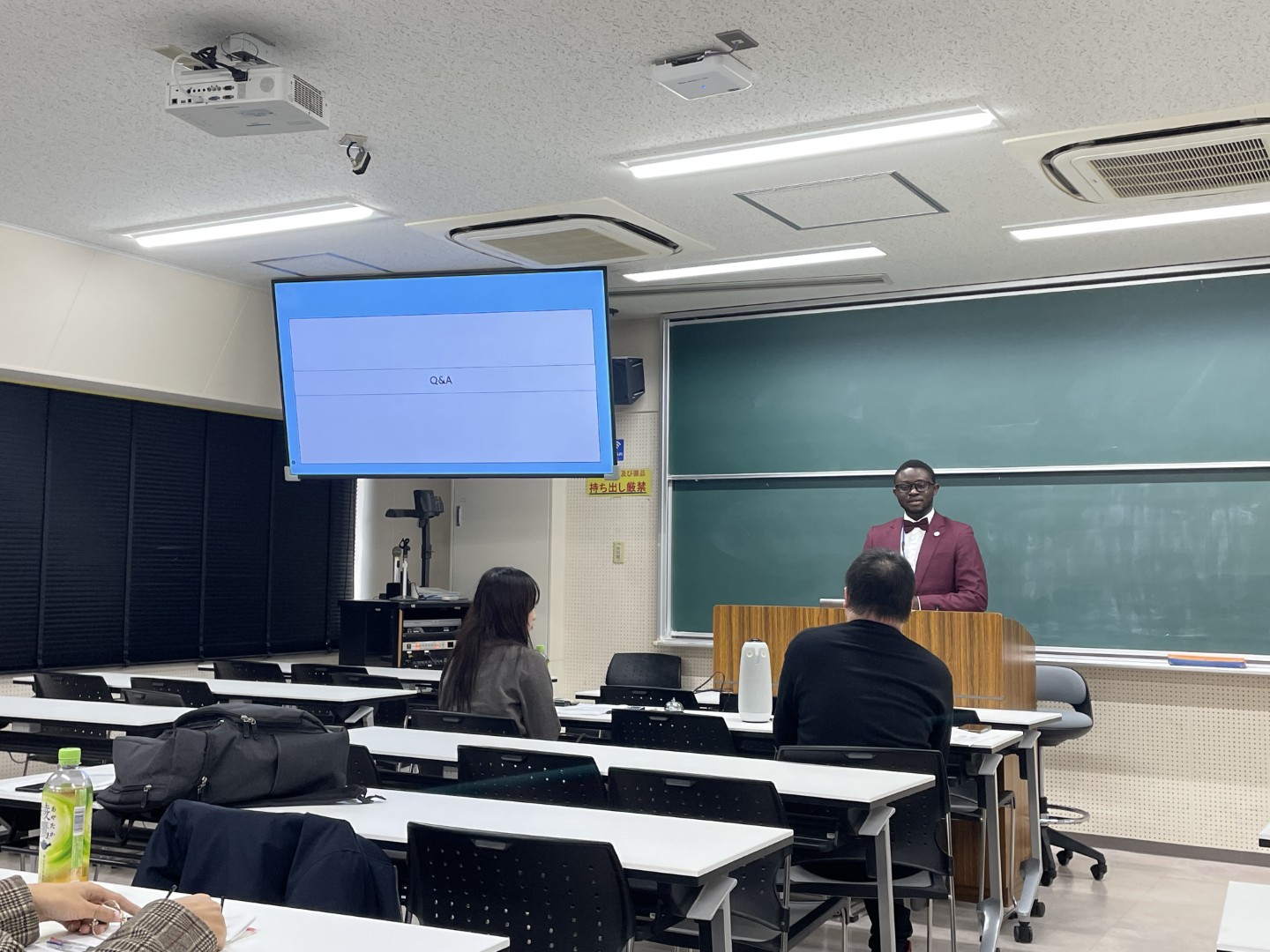
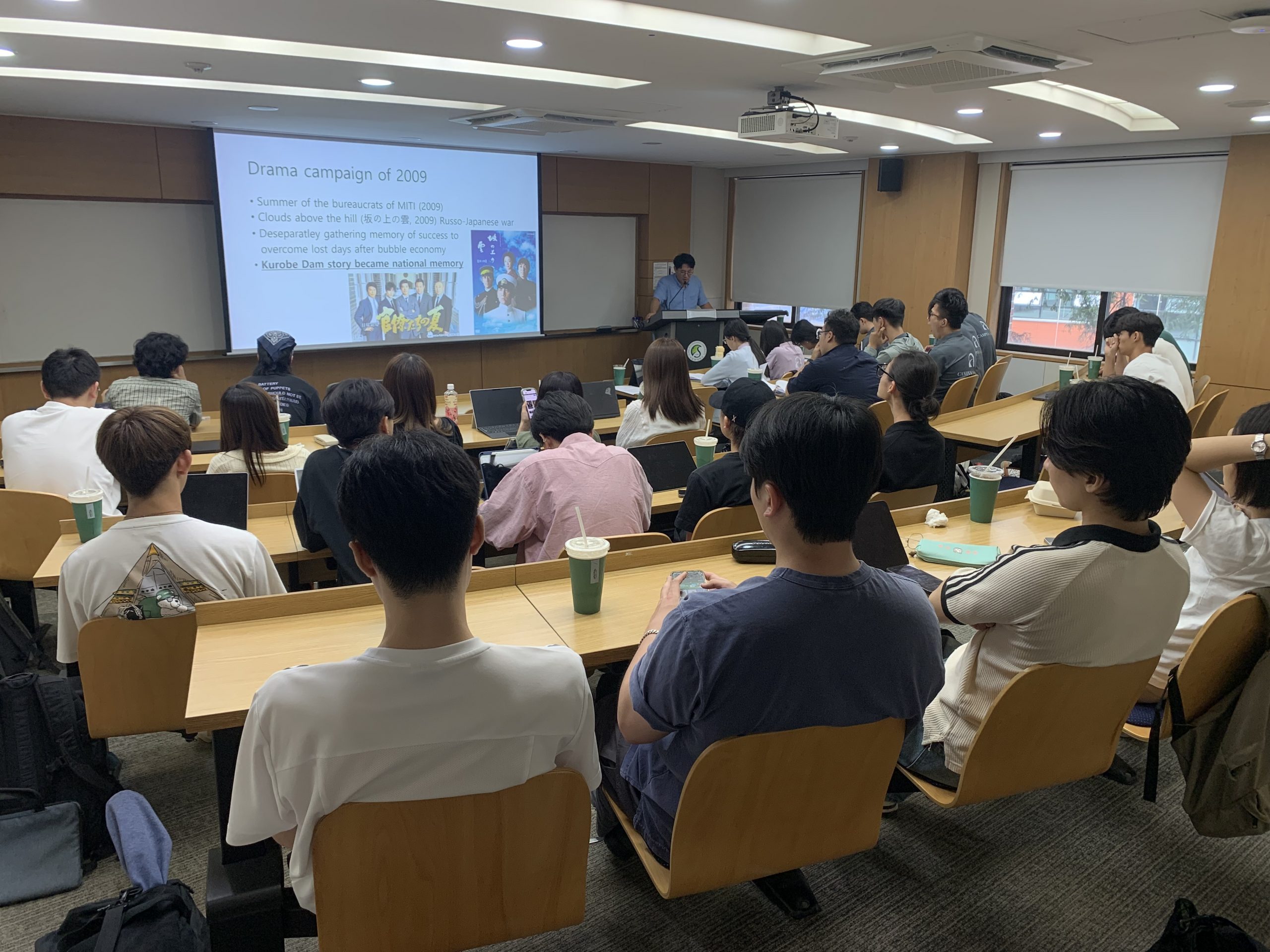
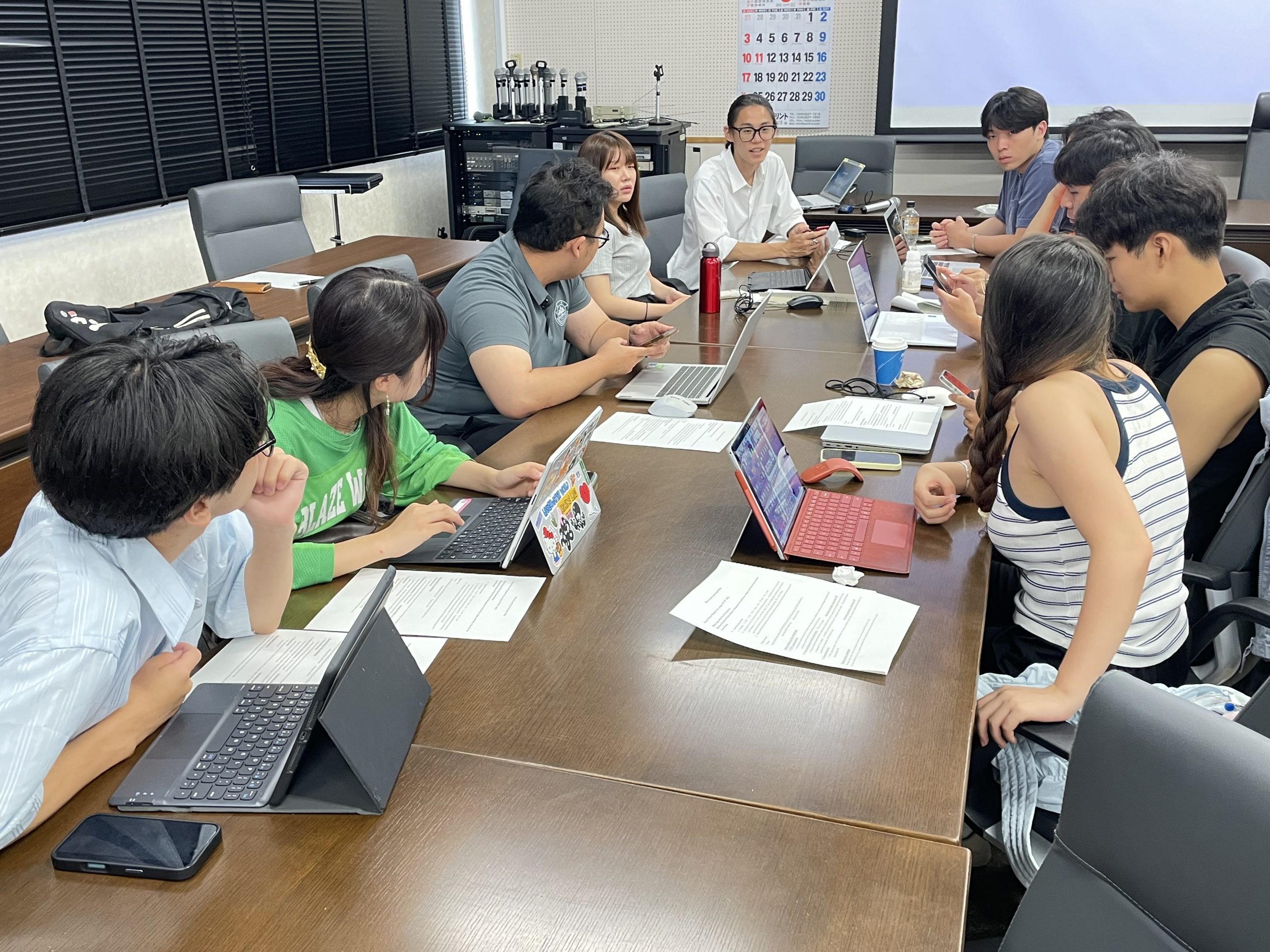
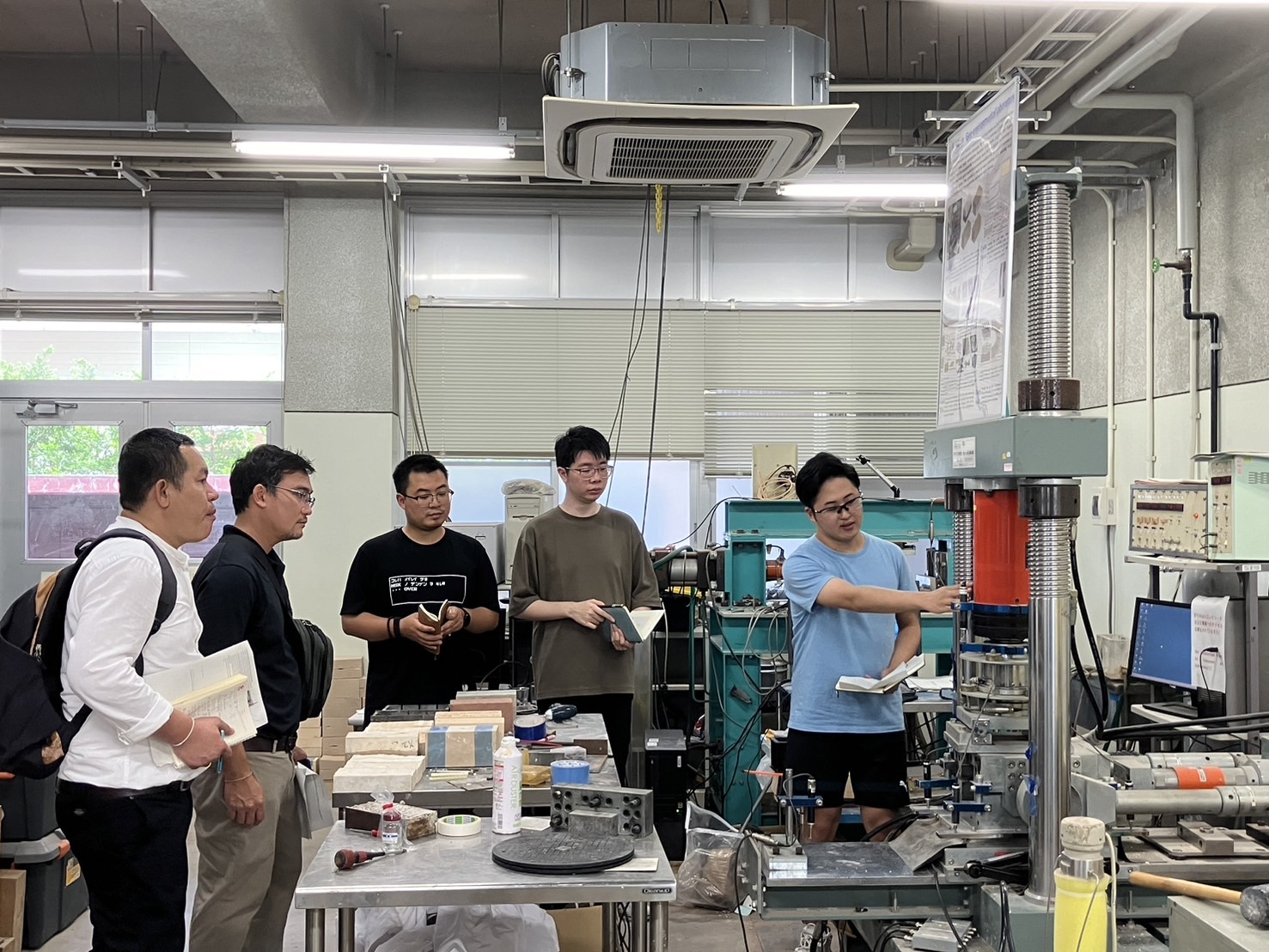
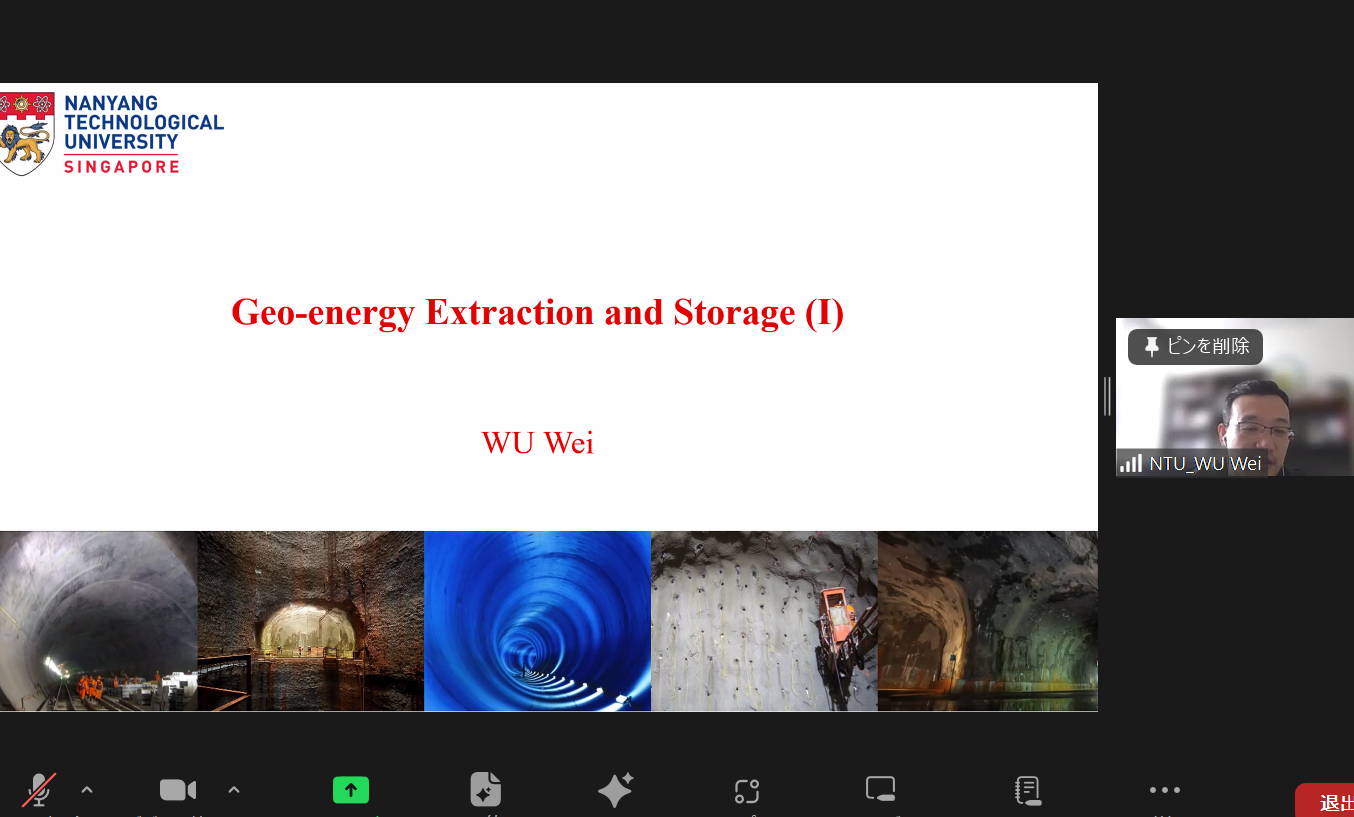
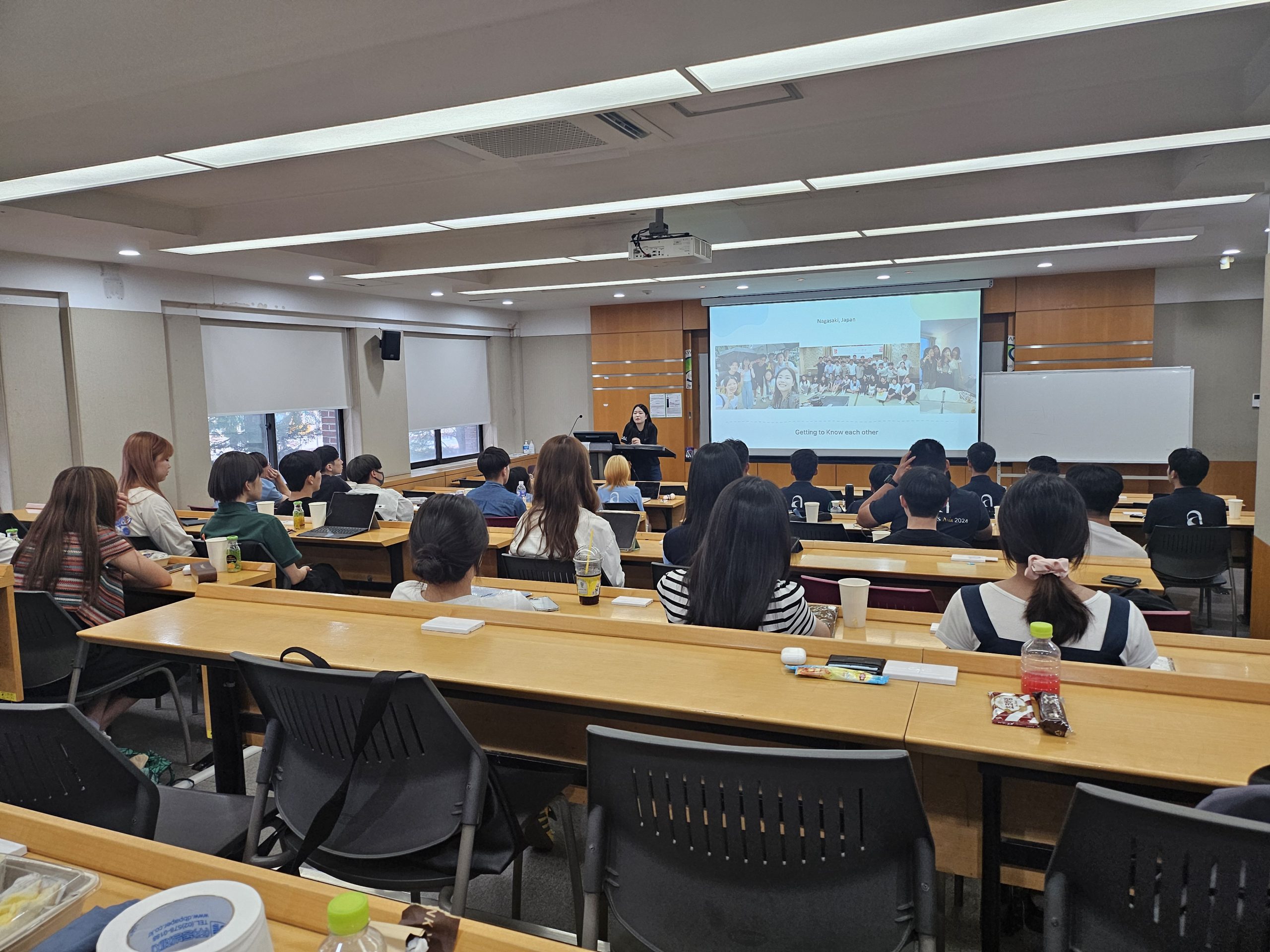
The students presented their research in their respective fields either in person or online. Following each 15-minute presentation, a Q&A session was held, facilitating lively exchanges of views and ideas among the students. The participating students appeared inspired by the research content and attitudes of their peers from other countries, making this an excellent opportunity to further advance their own research approaches and perspectives. In addition to the research presentations, the event included a social gathering with visiting students and faculty, as well as a sightseeing tour in Nagasaki city. This symposium provided a valuable opportunity not only for research exchange but also for deepening mutual understanding between NU students and the visiting students from China and South Korea.

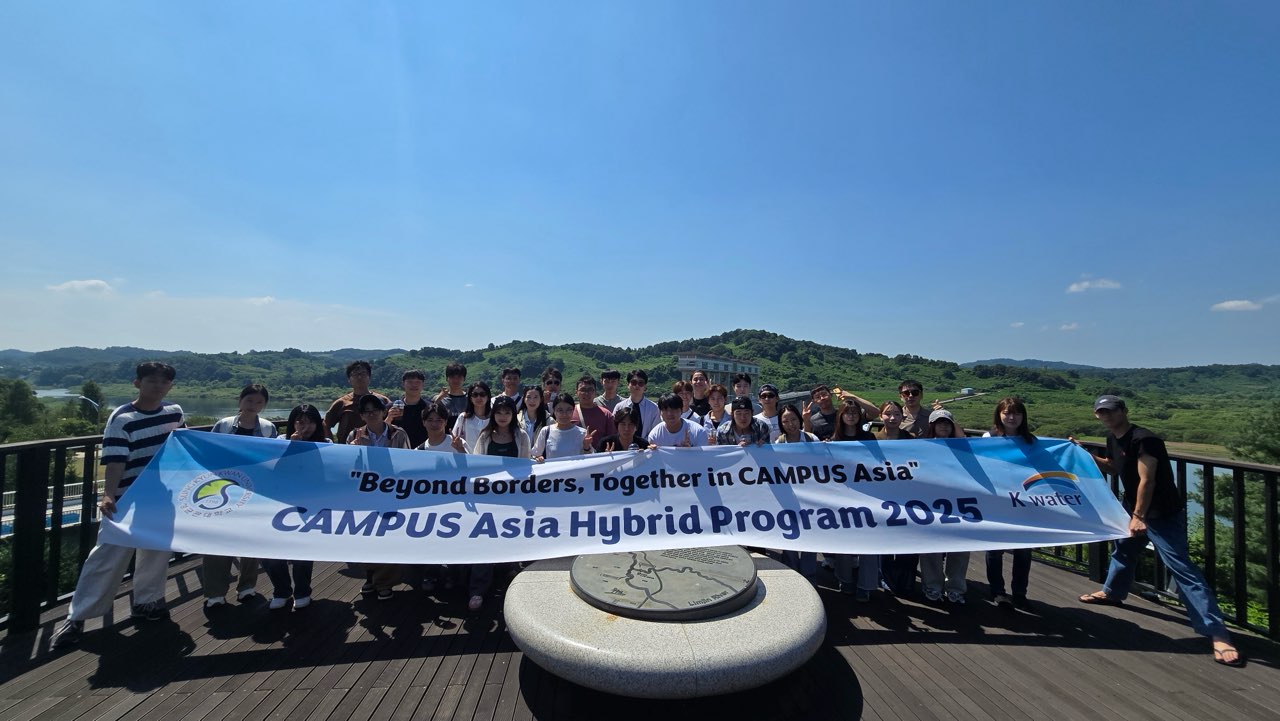
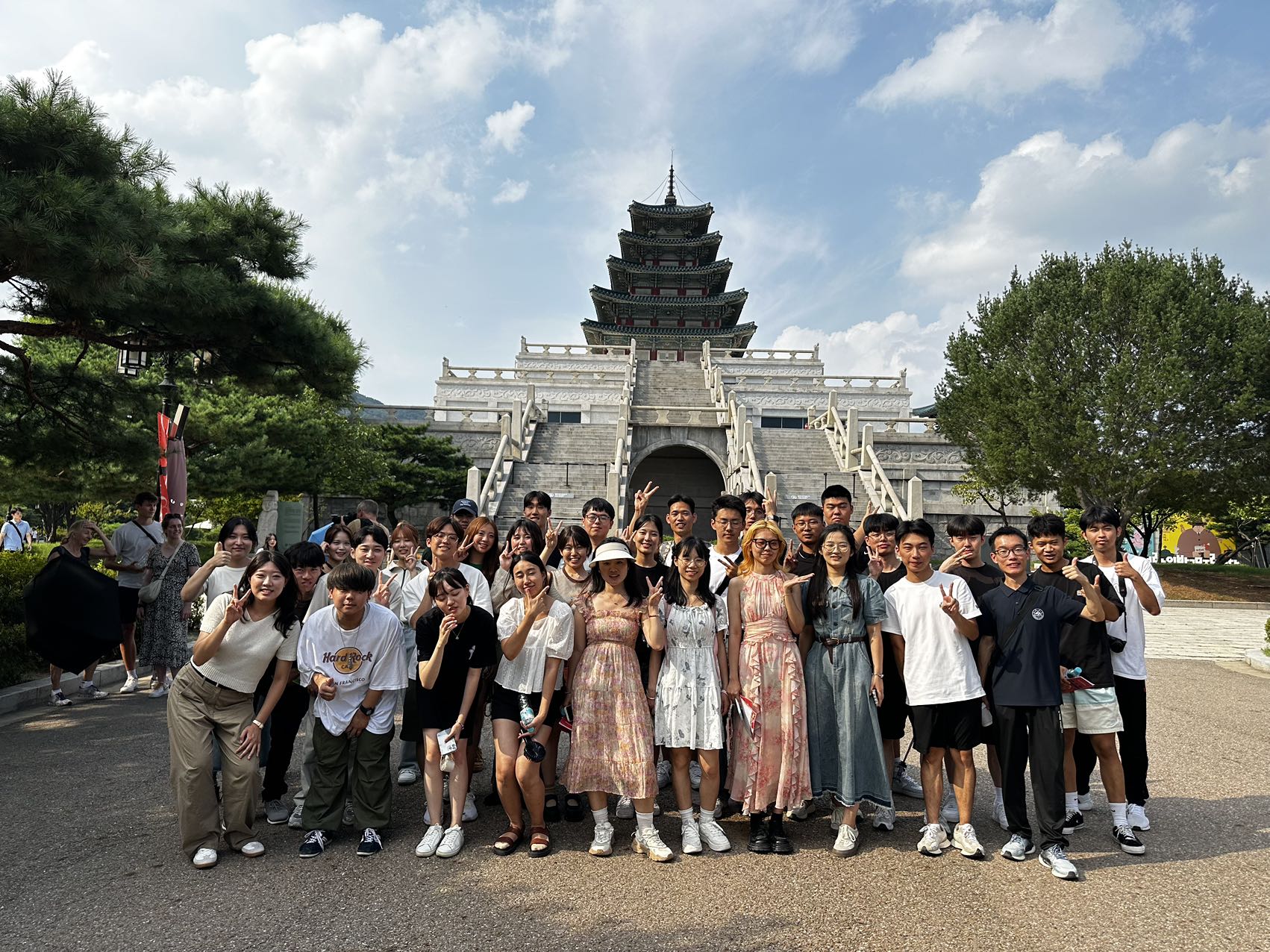
Group Photo of All Participants (Faculty & Students)
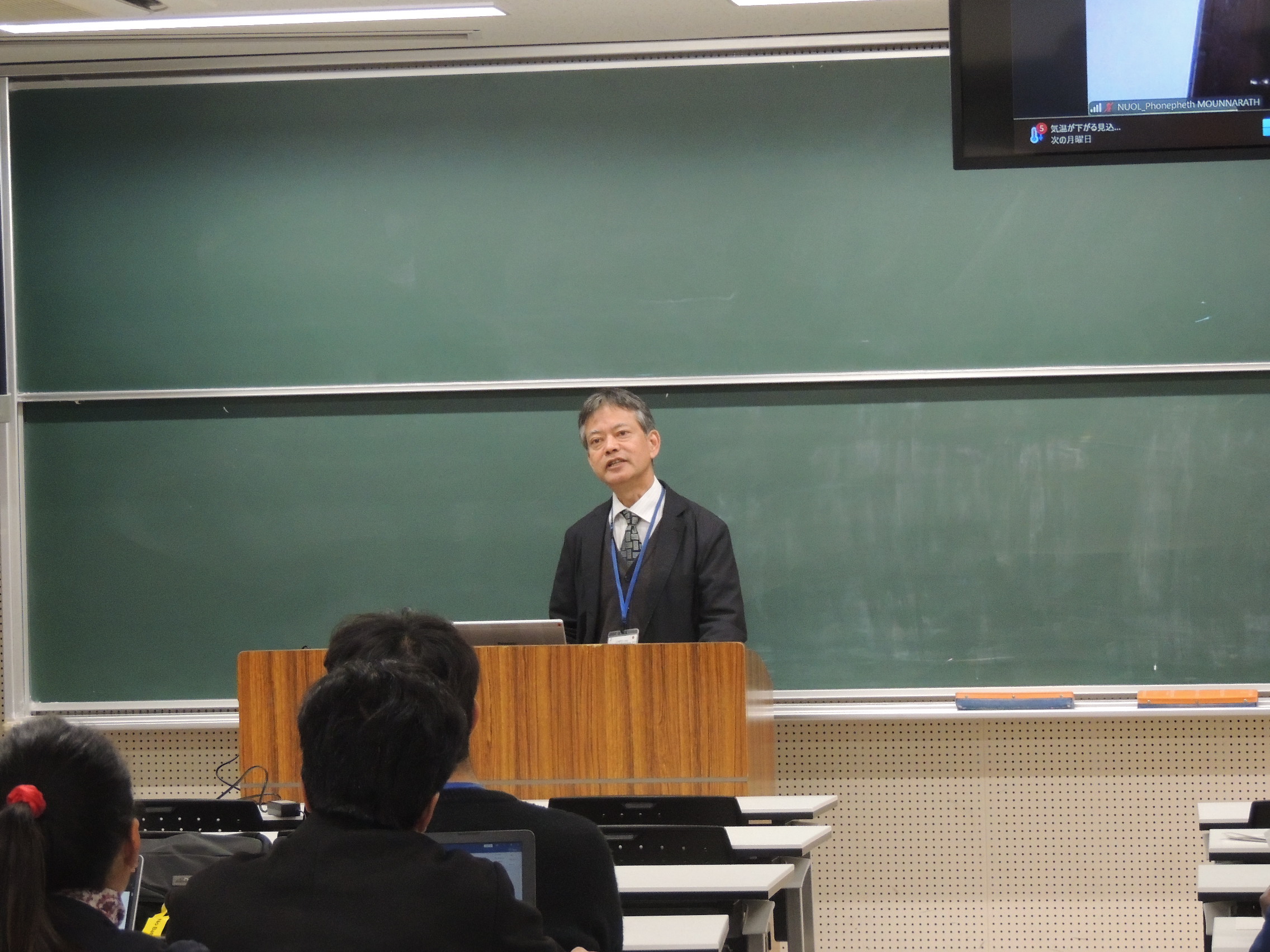
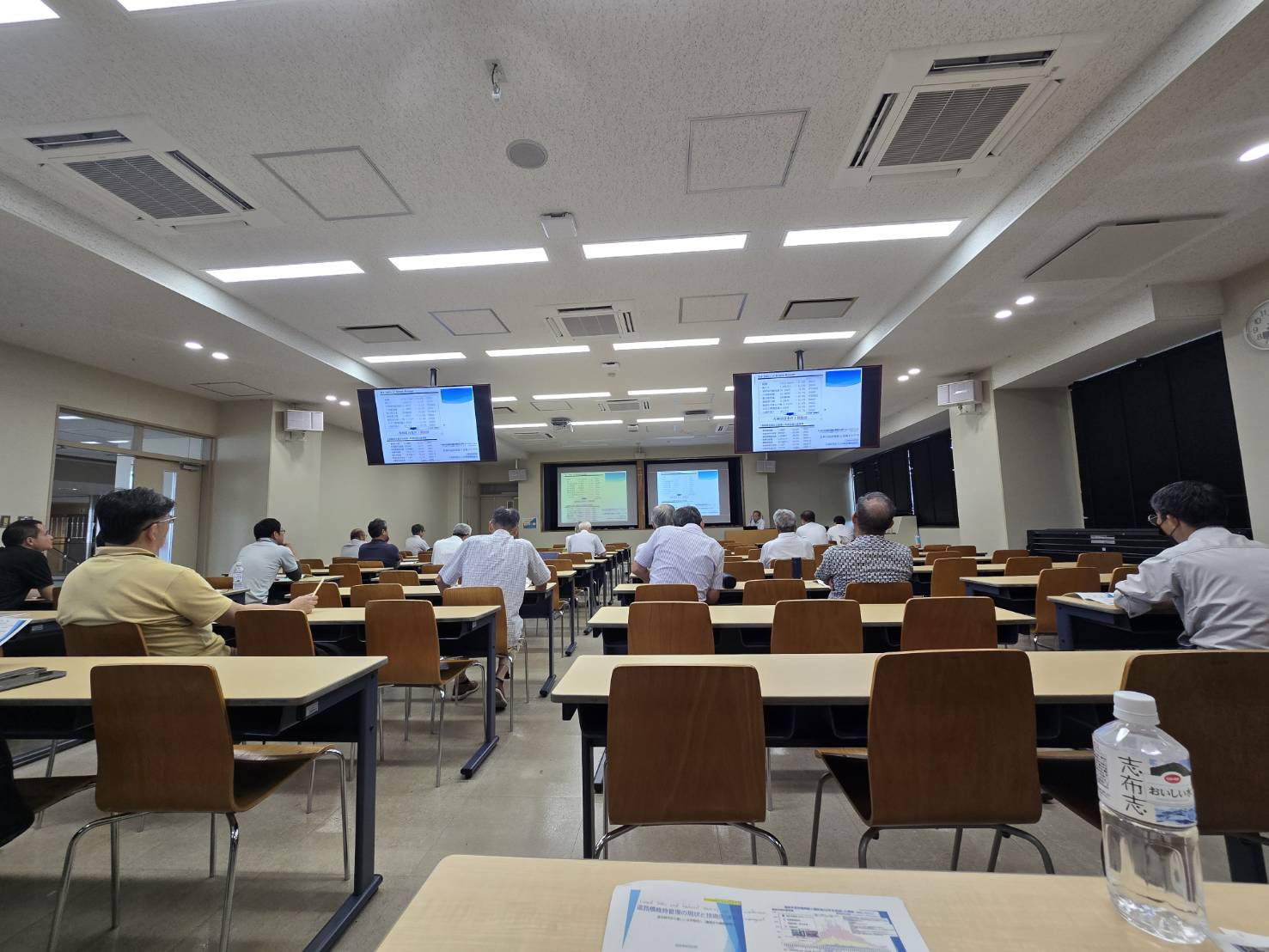
Opening Remarks by NU Prof. Kiyoshi Omine (Director of the Civil and Engineering Course)
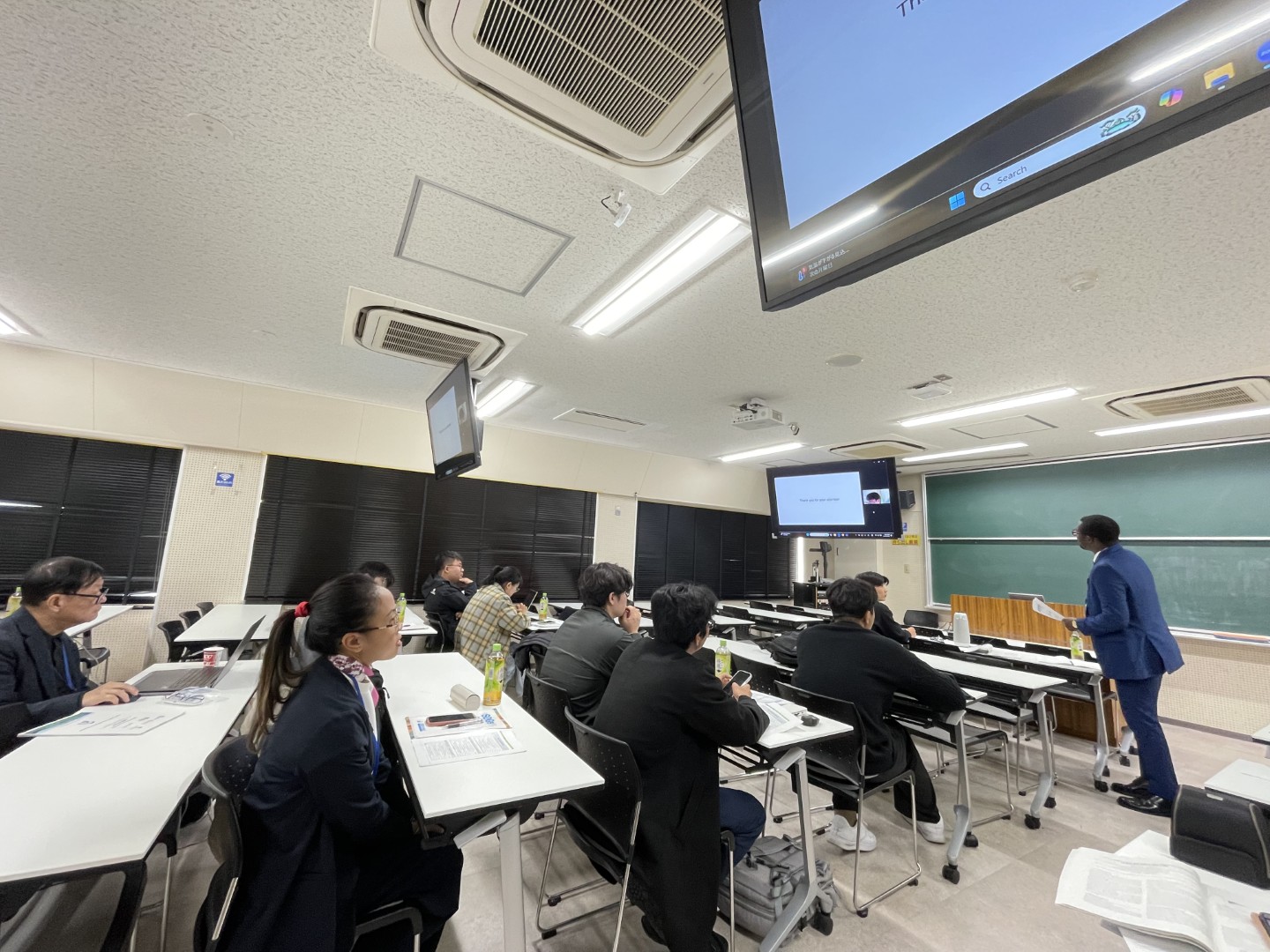
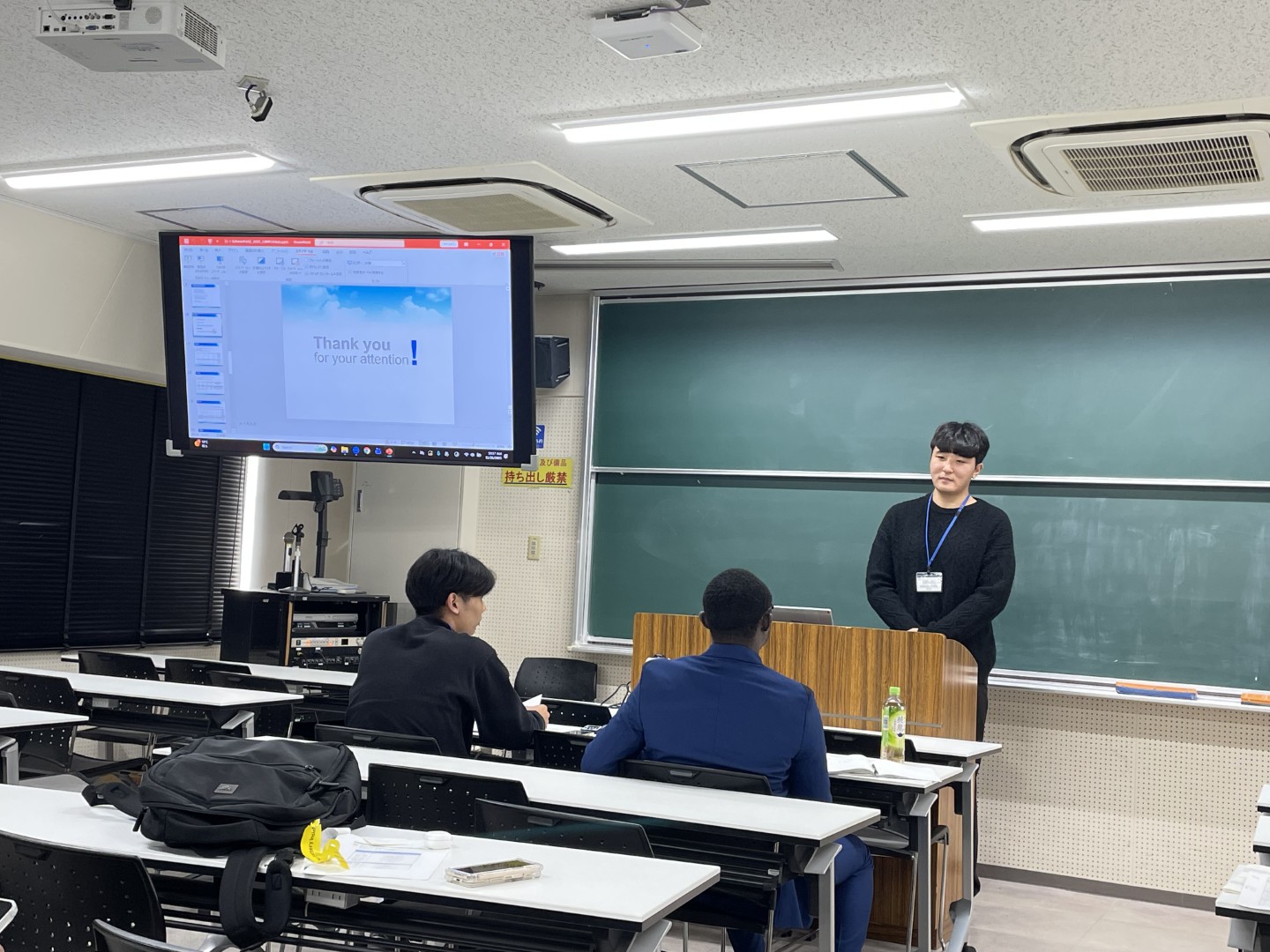
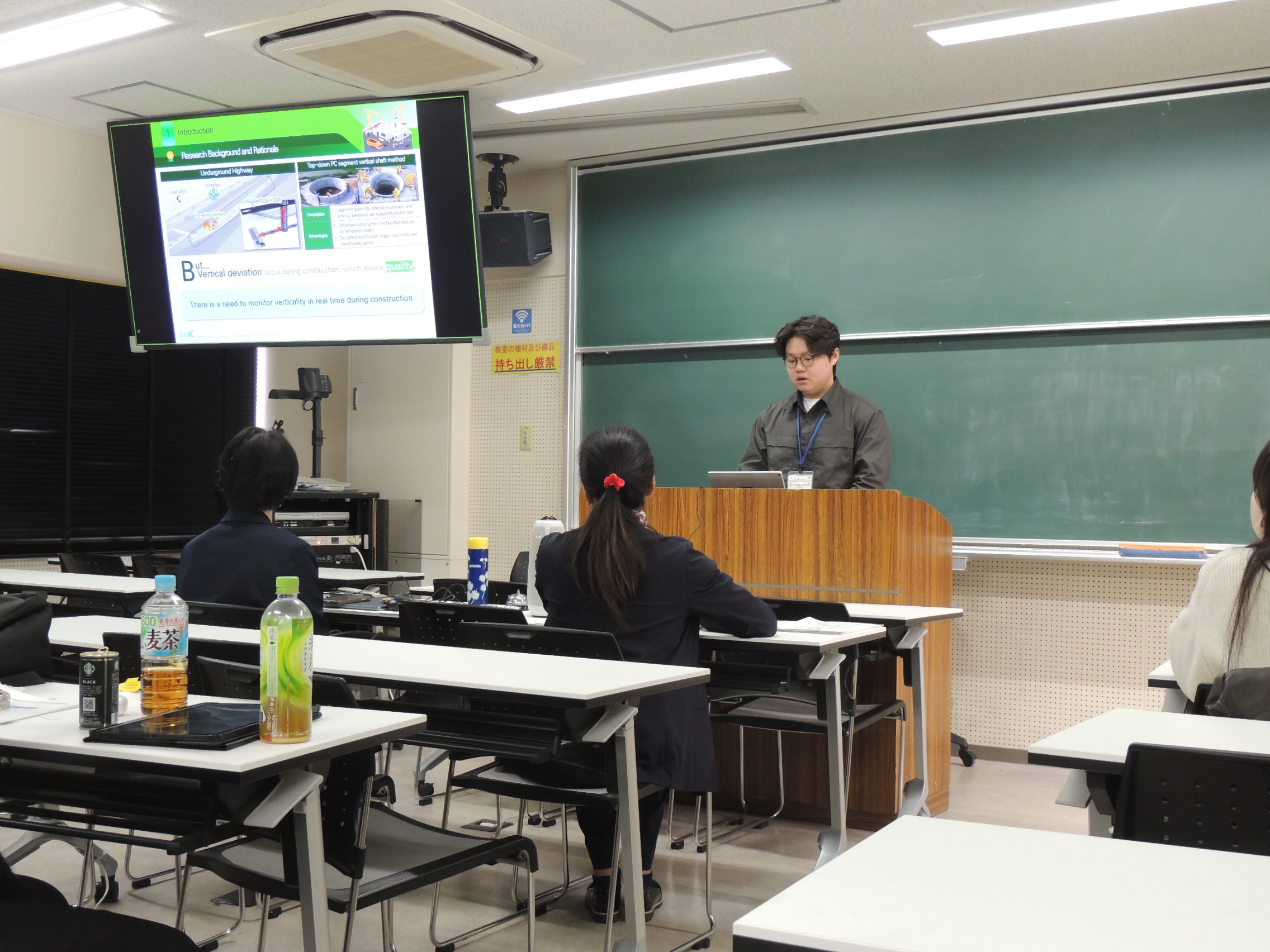
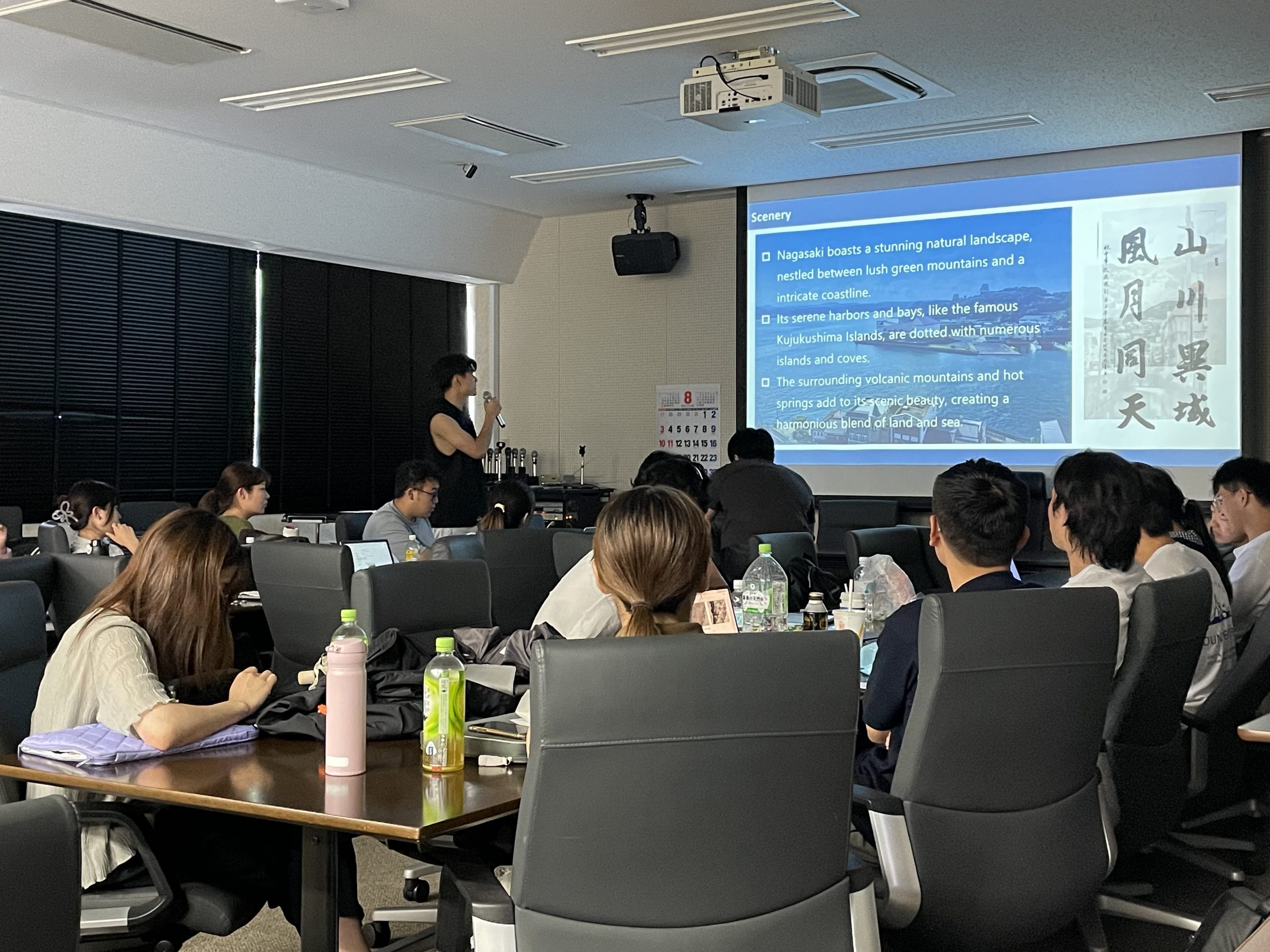
Presentation Session

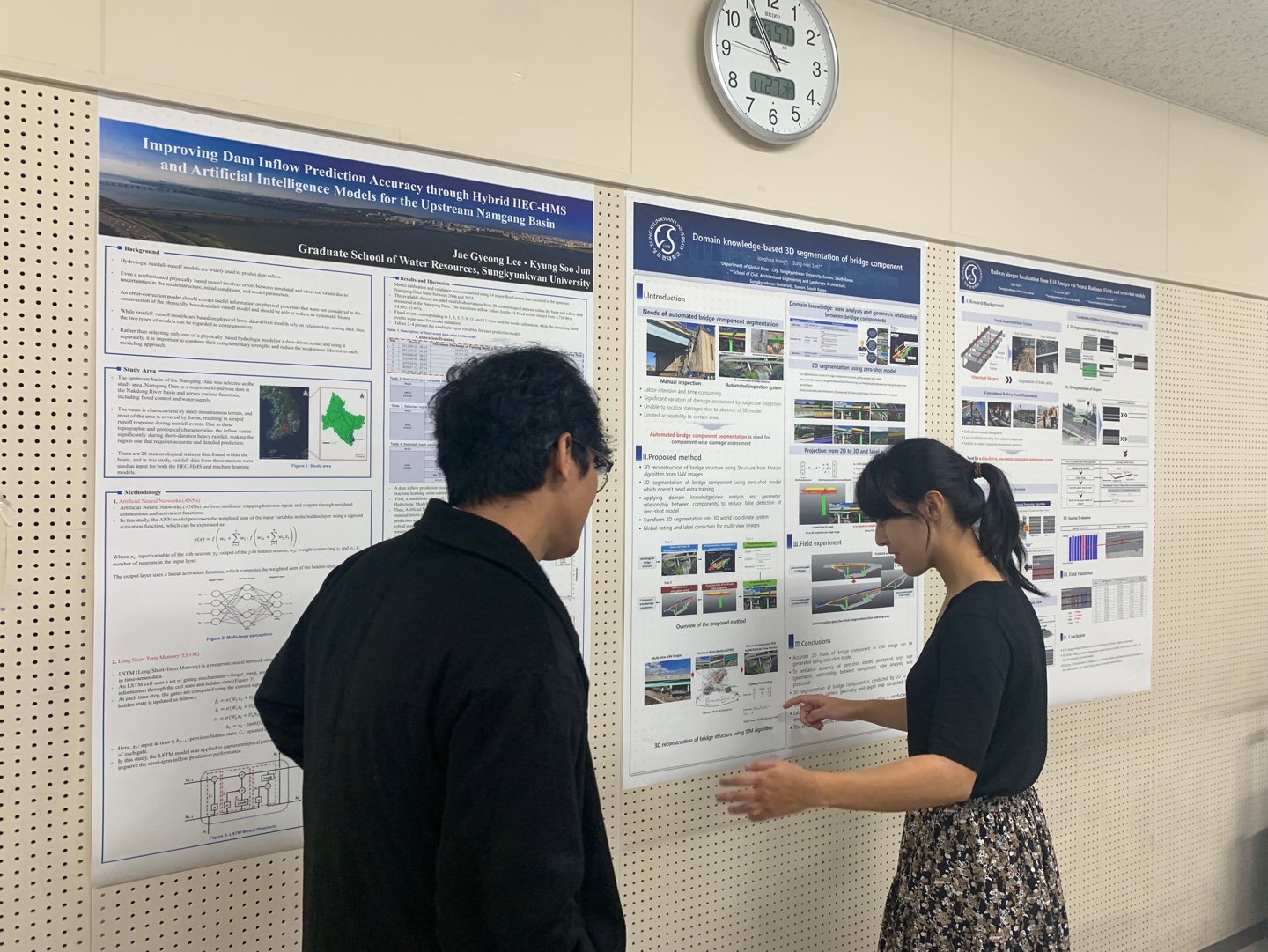
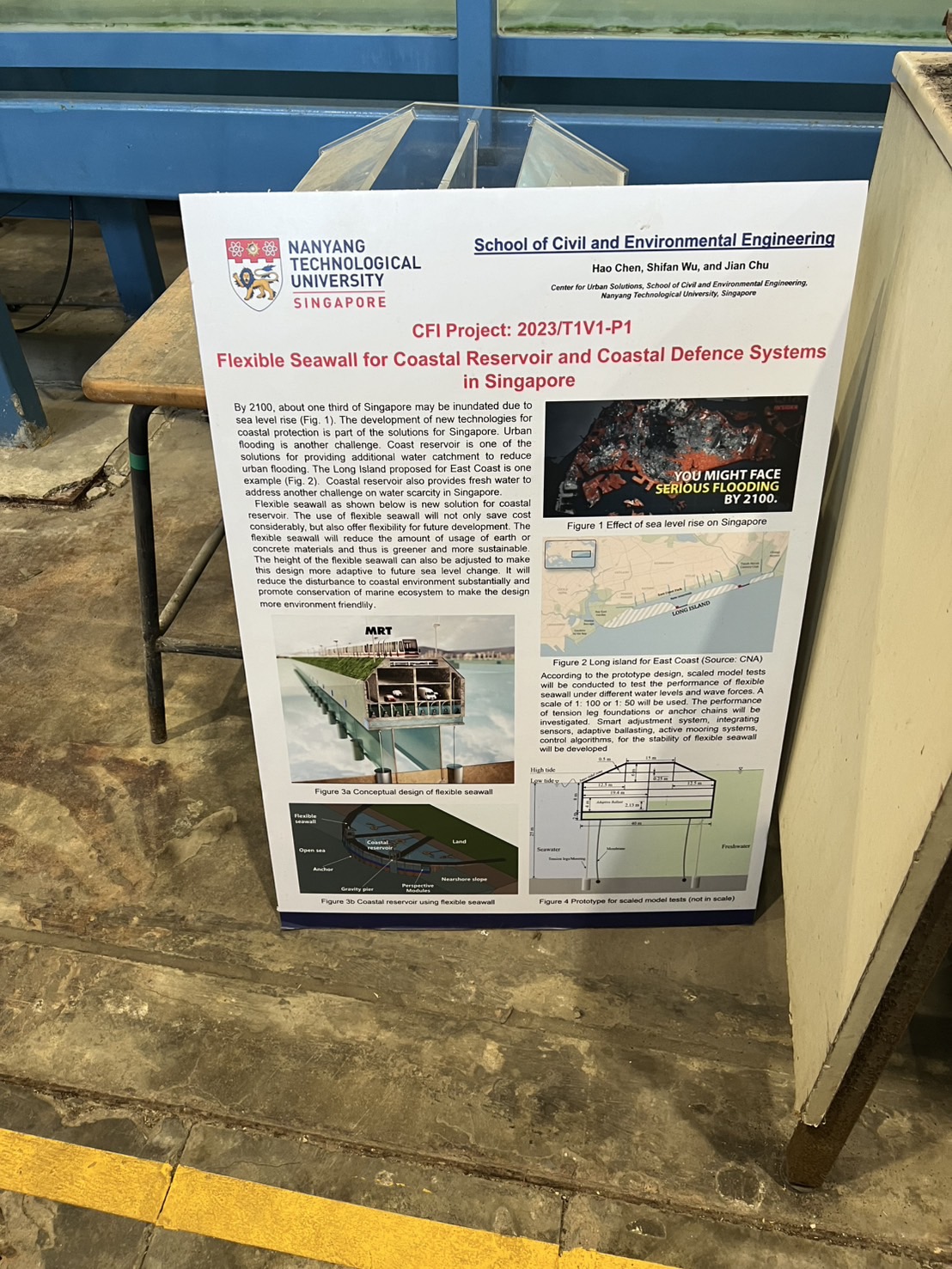
Poster Presentation

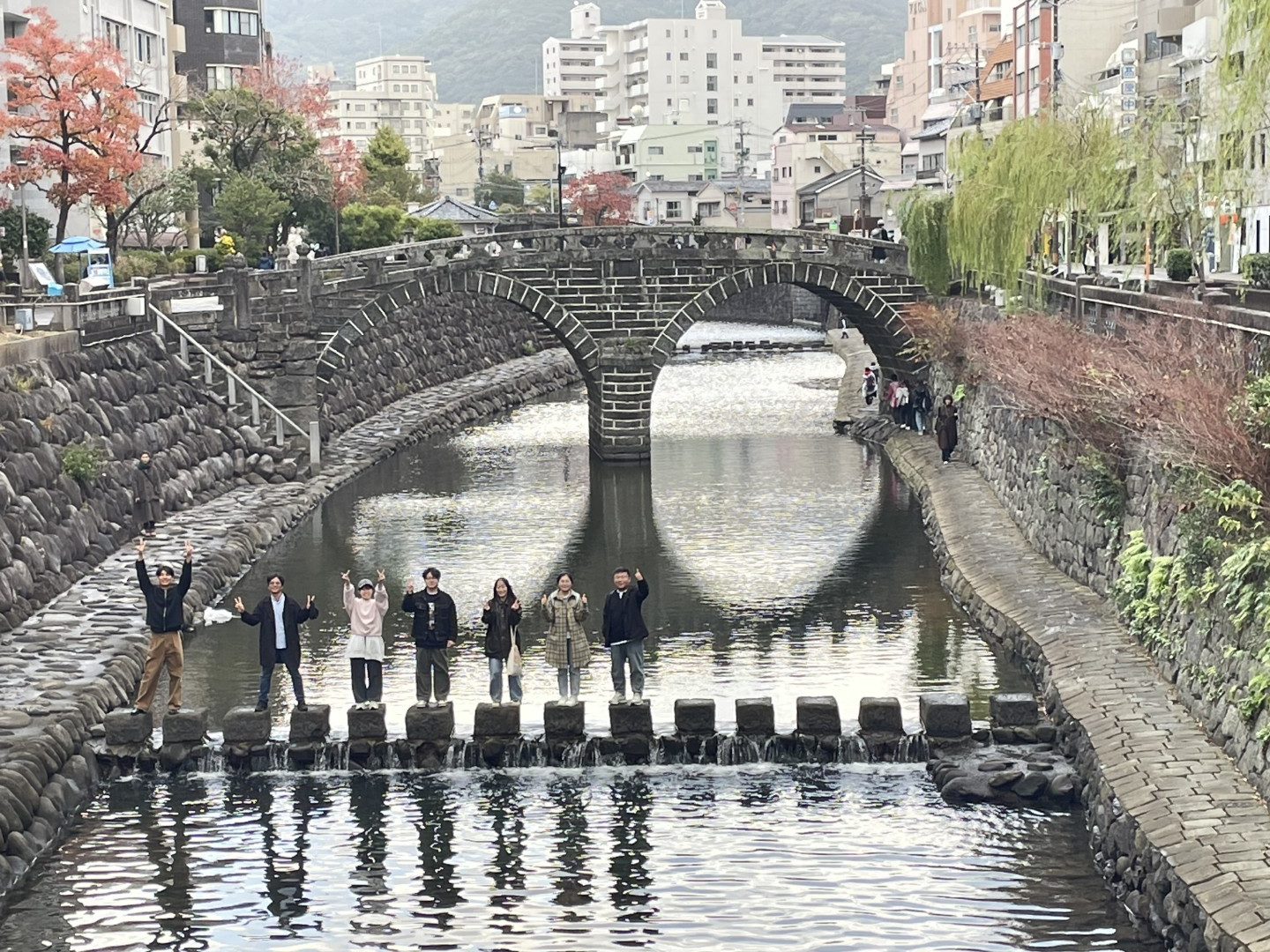
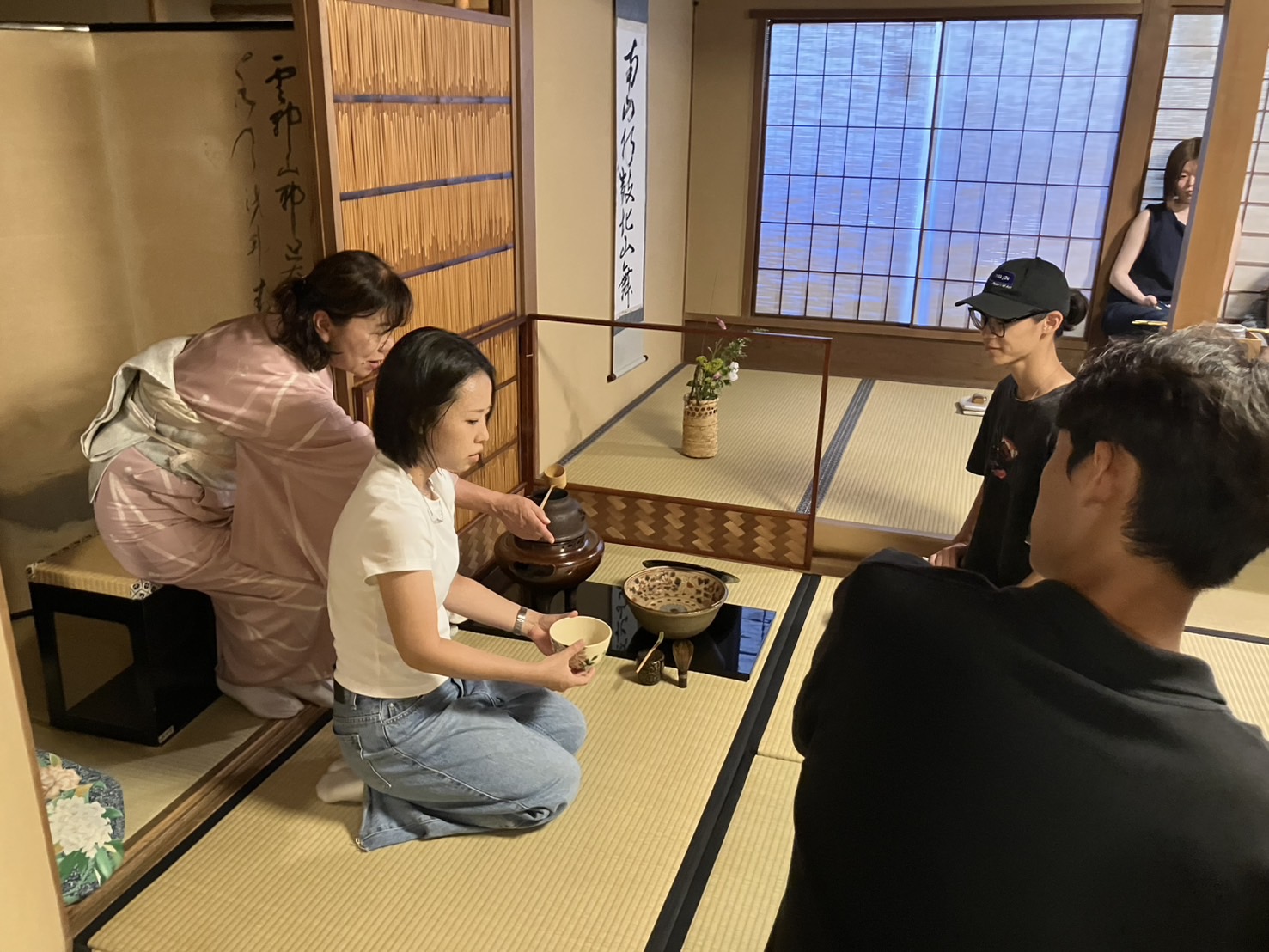
Nagasaki City Tour

2025.09.30

ASEAN Expanded Short-Term Exchange Program

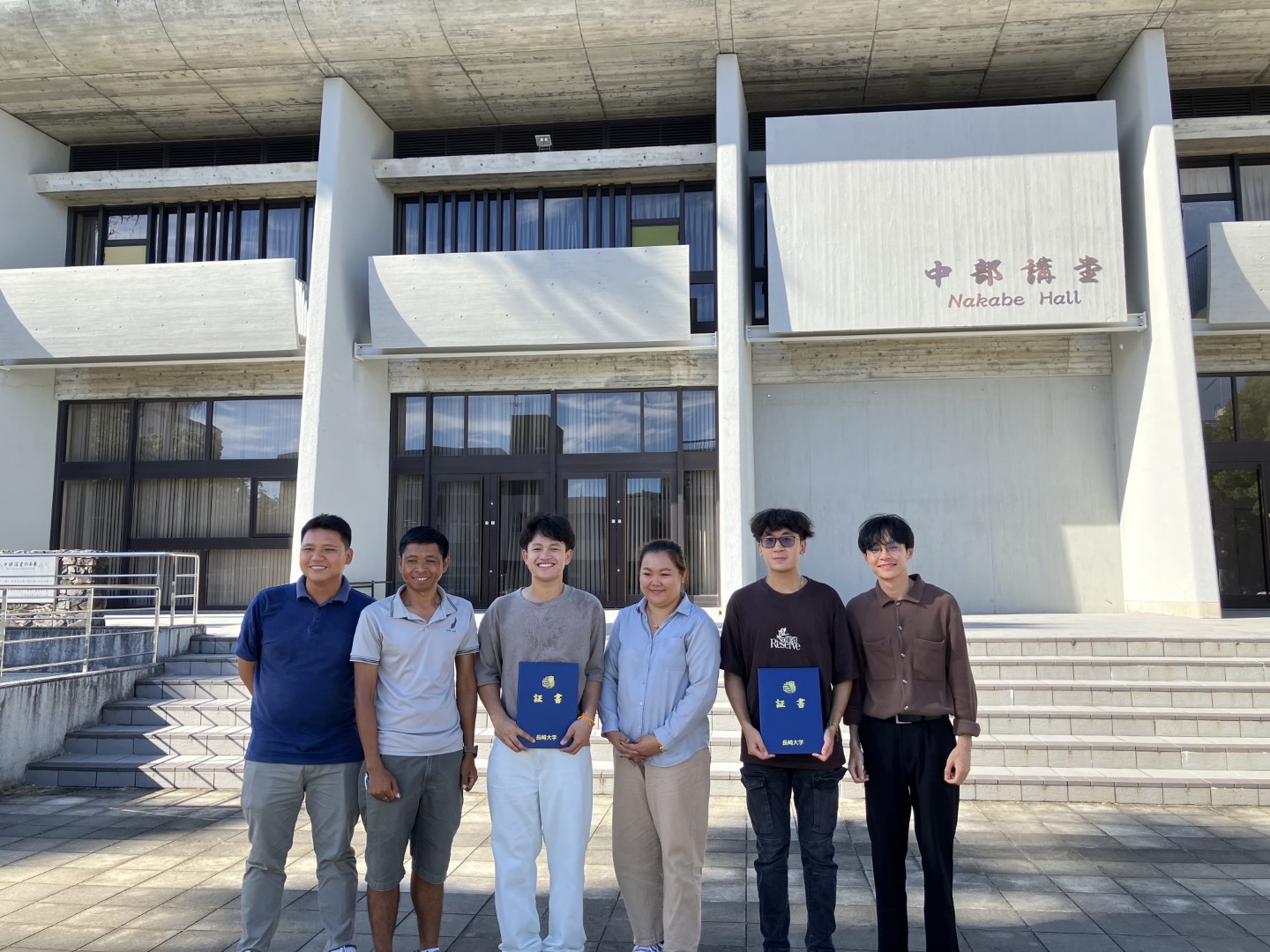
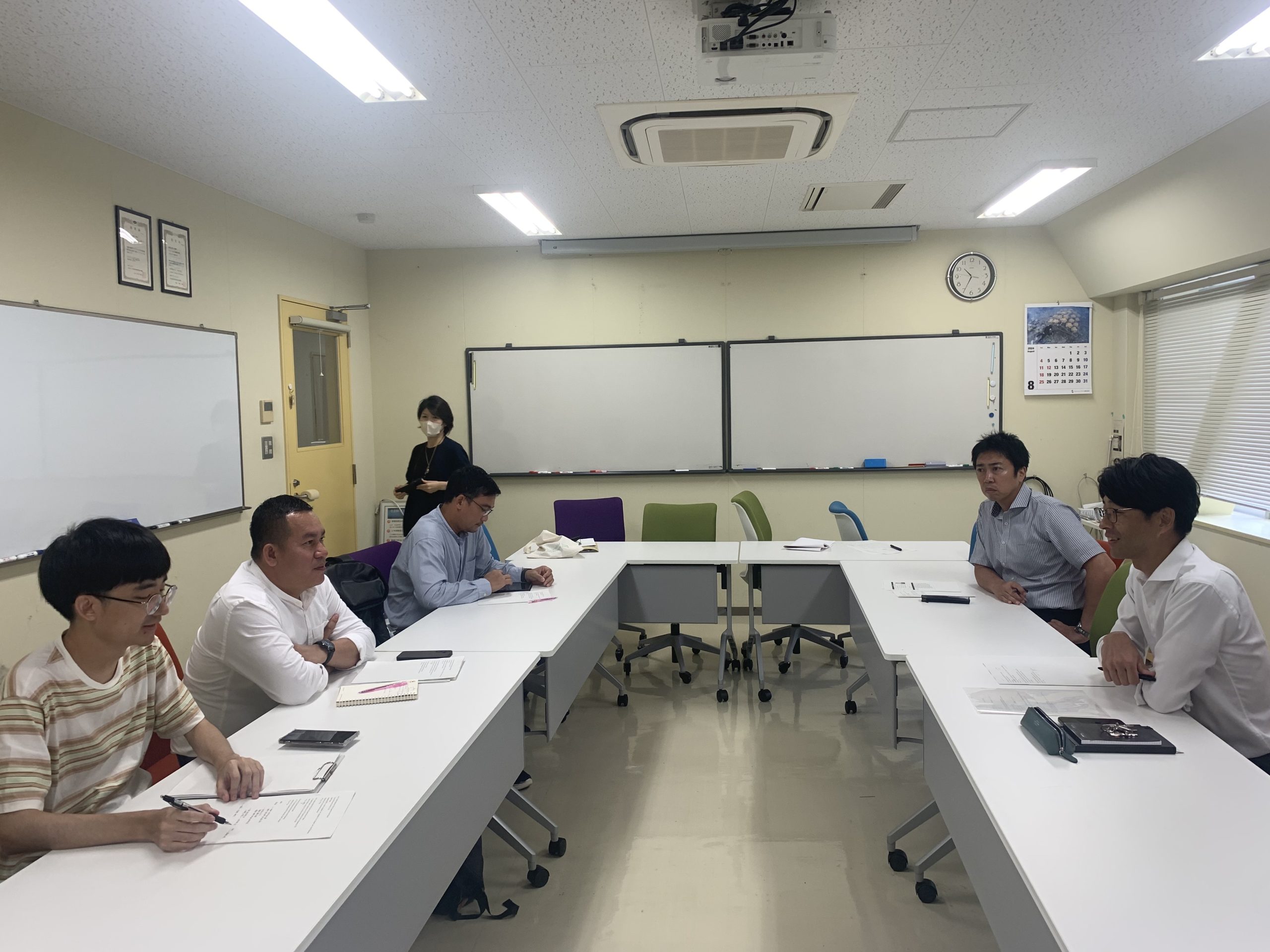
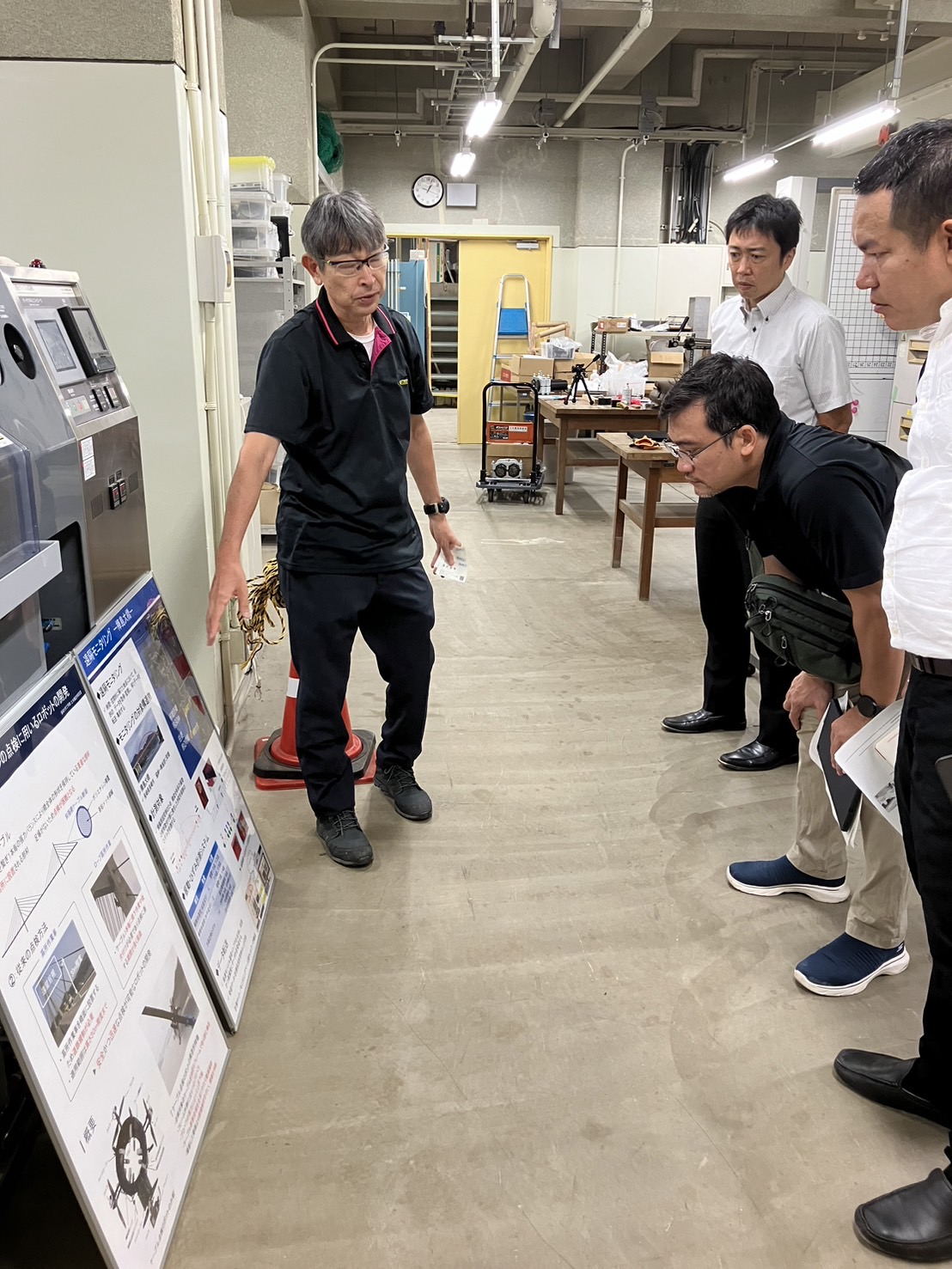
An ASEAN-Expanded Exchange Program was implemented from August 20 through September 21, 2025, and two faculty members and two master’s degree students from National University of Laos were invited to Nagasaki University to exchange research information and explore future possibilities of research collaboration. During their stay, the faculty members visited the laboratories of the Civil and Environmental Engineering Course and exchanged information with Professor Toshihiro Okumatsu and Associate Professor Takafumi Nishikawa of the Structural Engineering Laboratory.

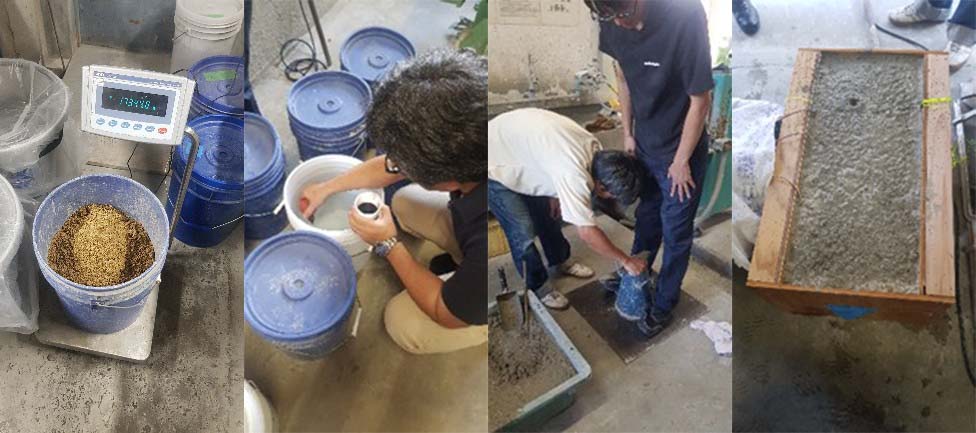
Master’s degree students were assigned to the laboratory of Associate Professor Kenji Sasaki in the Structural Engineering Course and conducted research activities and information exchange under his supervision for one month.

2025.09.30

Hybrid Short-Term Academic Exchange Program

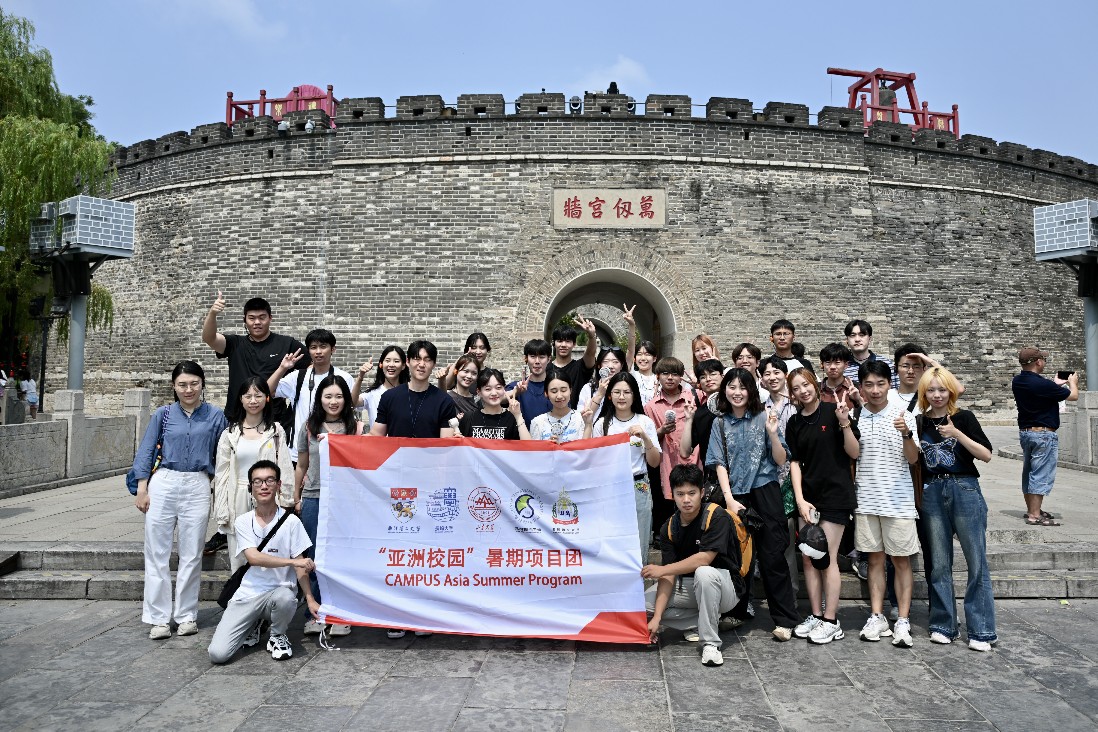
Starting July 12, 2025, a “Hybrid Short-Term Academic Exchange Program” was conducted by five universities: Nagasaki University, Shandong University (China), Sungkyunkwan University (South Korea), National University of Laos, and Nanyang Technological University (Singapore). This program is part of the “CAMPUS Asia Program,” which aims to cultivate globally active infrastructure professionals. Participating students traveled from Korea to China and then to Japan, engaging in programs at each university to deepen their understanding of each country’s infrastructure conditions and cultural differences. The program was delivered in a hybrid format, combining ① online lectures (7/12-8/2) and ② on-site programs at each university (8/9-26). This year, a total of 38 students from four universities participated: NU (14), SKKU (11), SDU (11), and NUOL (2).


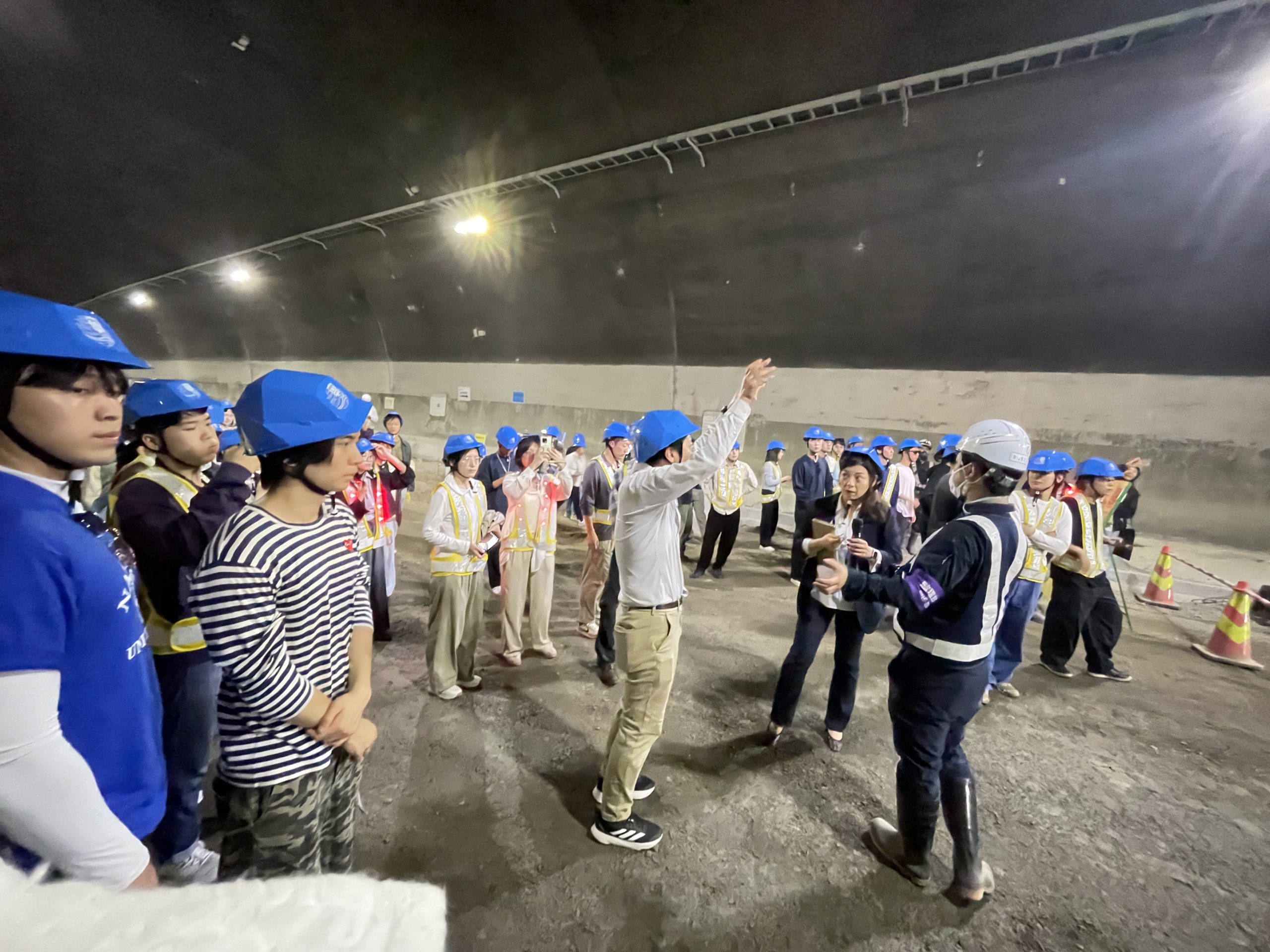
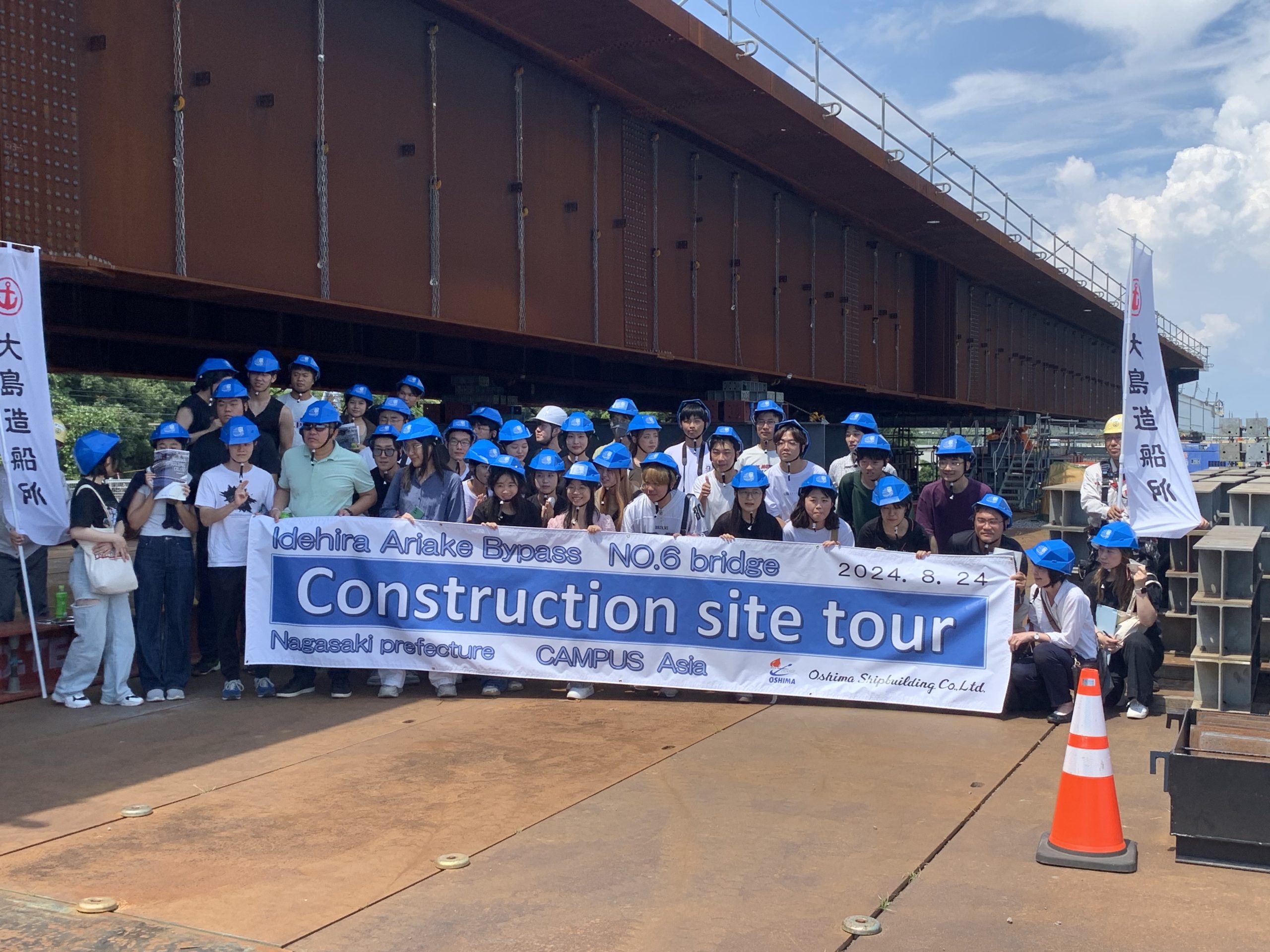
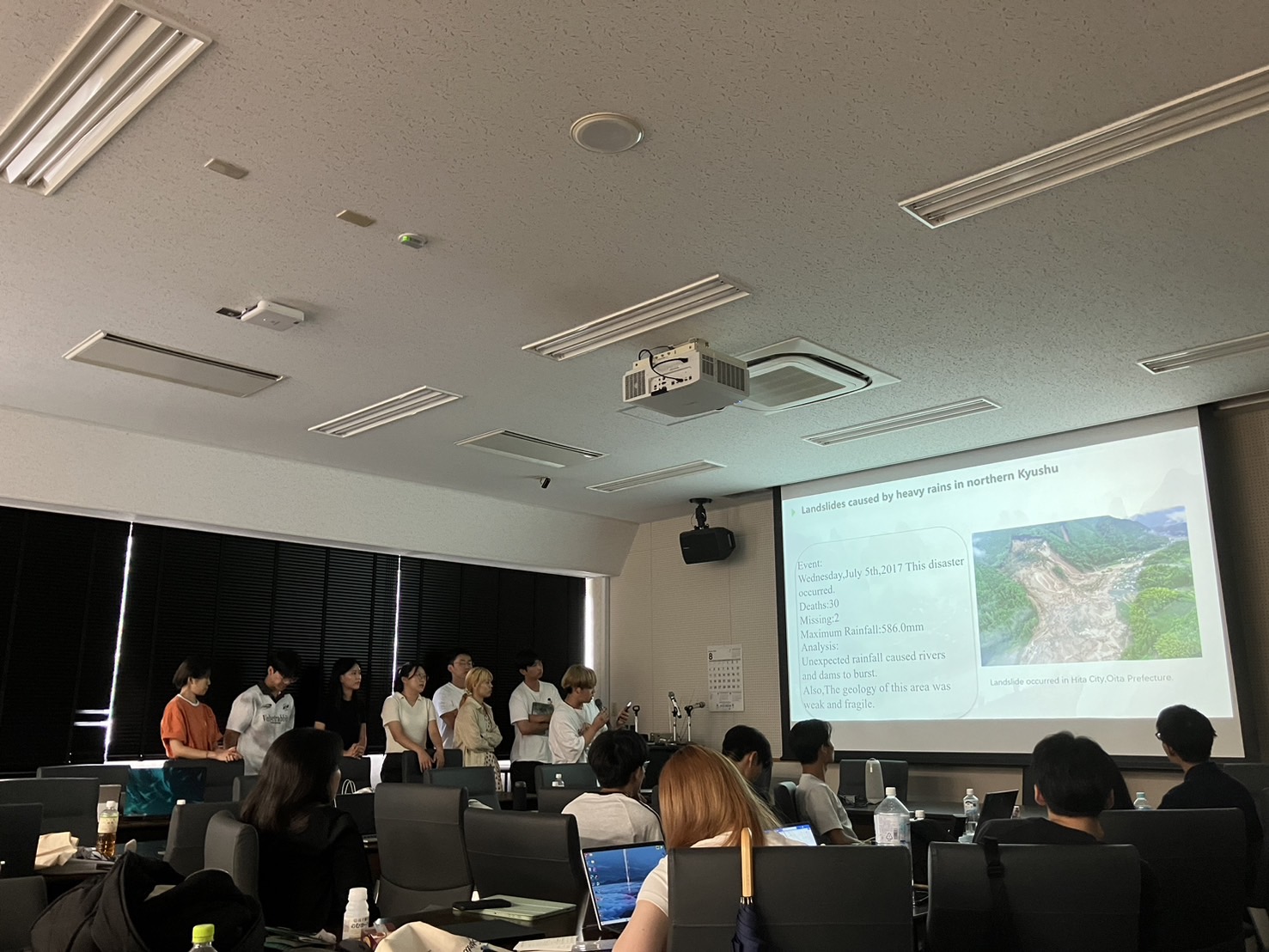
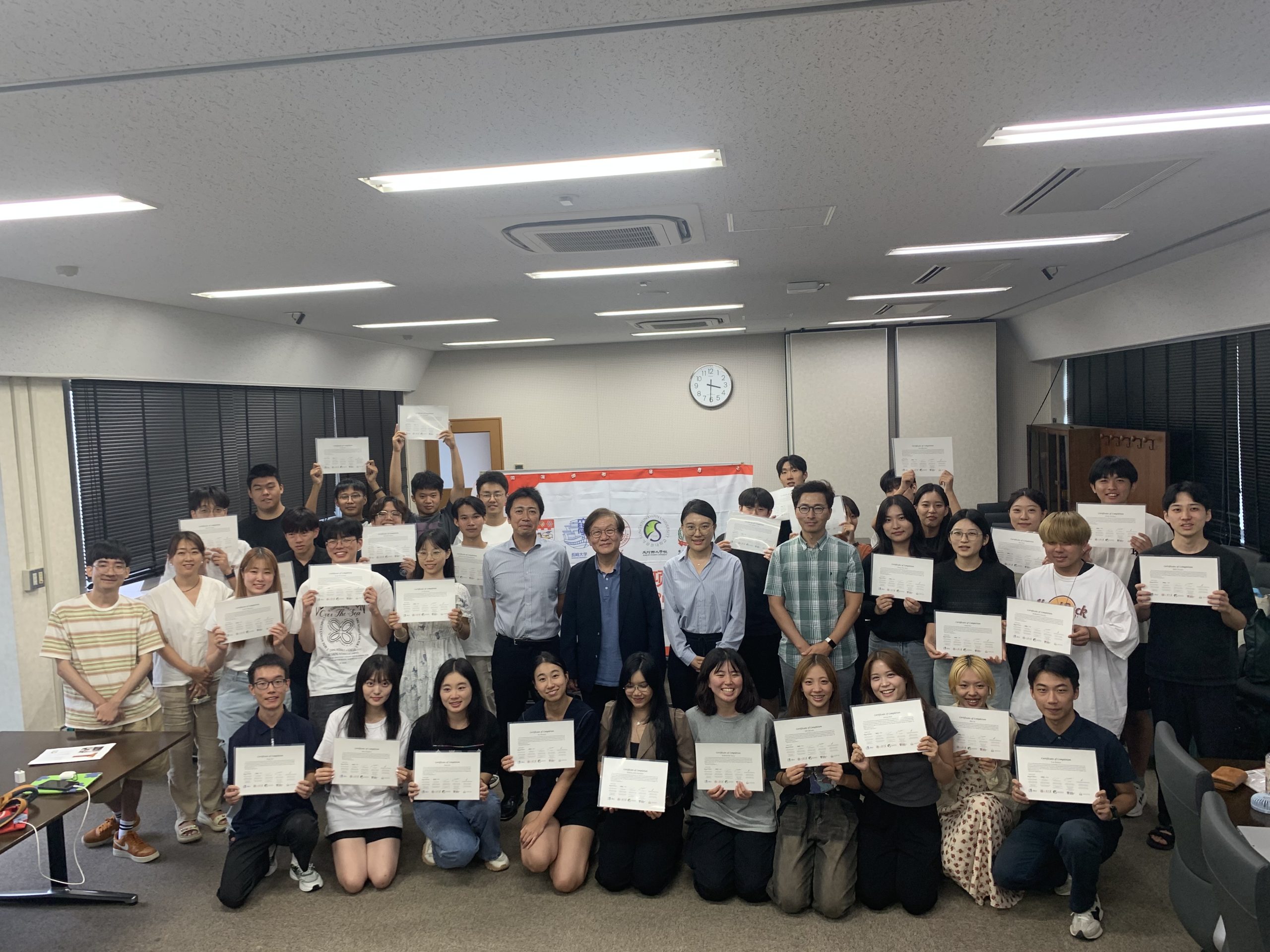
Programs at each university included special lectures, local language lesson, cultural experiences, city tour, and infrastructure site visits. At Nagasaki University, participants took a one-night trip to Isahaya, Sasebo, and Hirado to observe infrastructure construction sites such as dam, expressway viaduct, and tunnel. An exchange session with CAMPUS Asia alumni was also held. On the final day of the program, a presentation session was held where participants presented the outcomes of their group work and shared their experiences gained through the study abroad program and student exchanges.


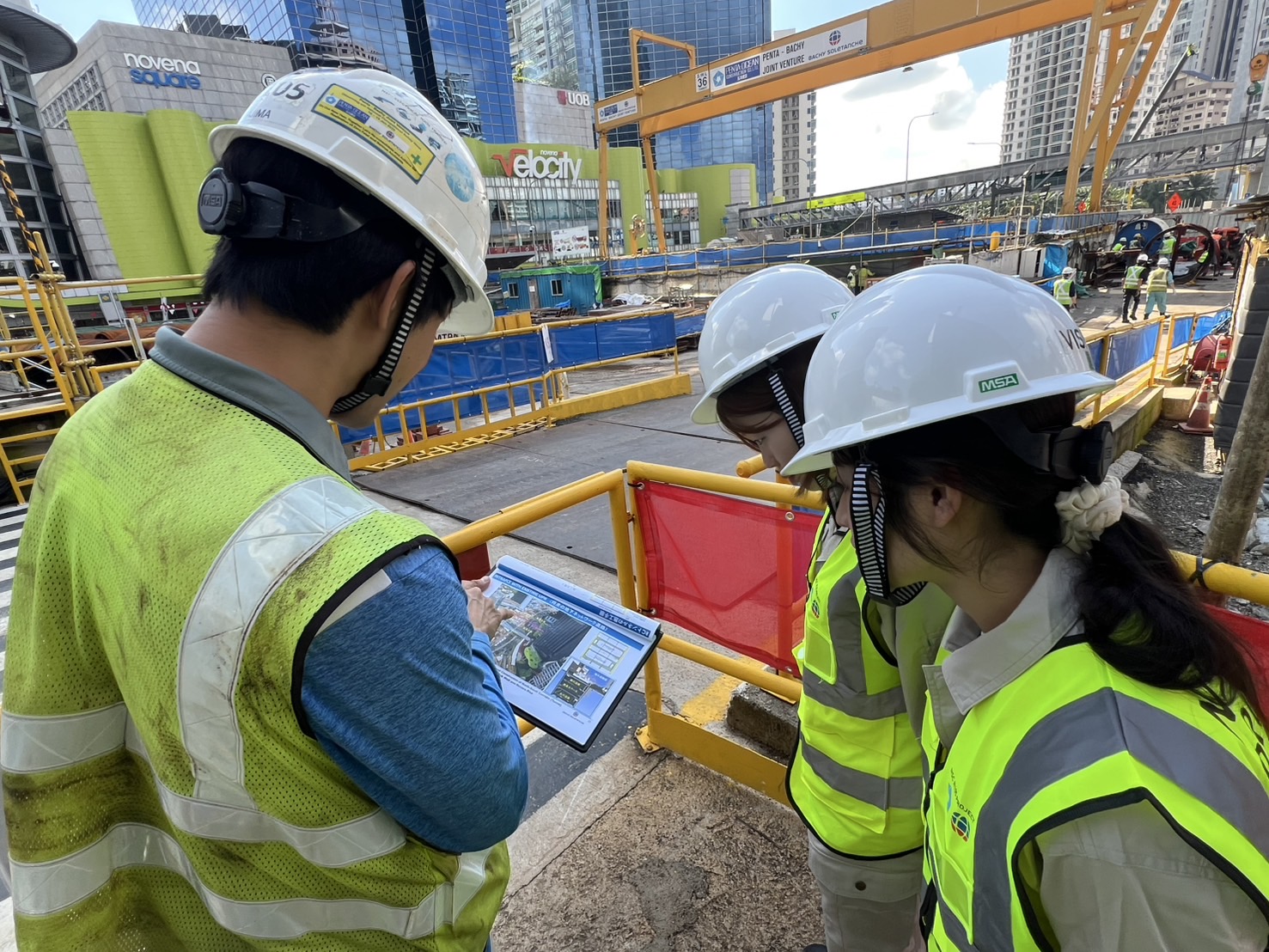
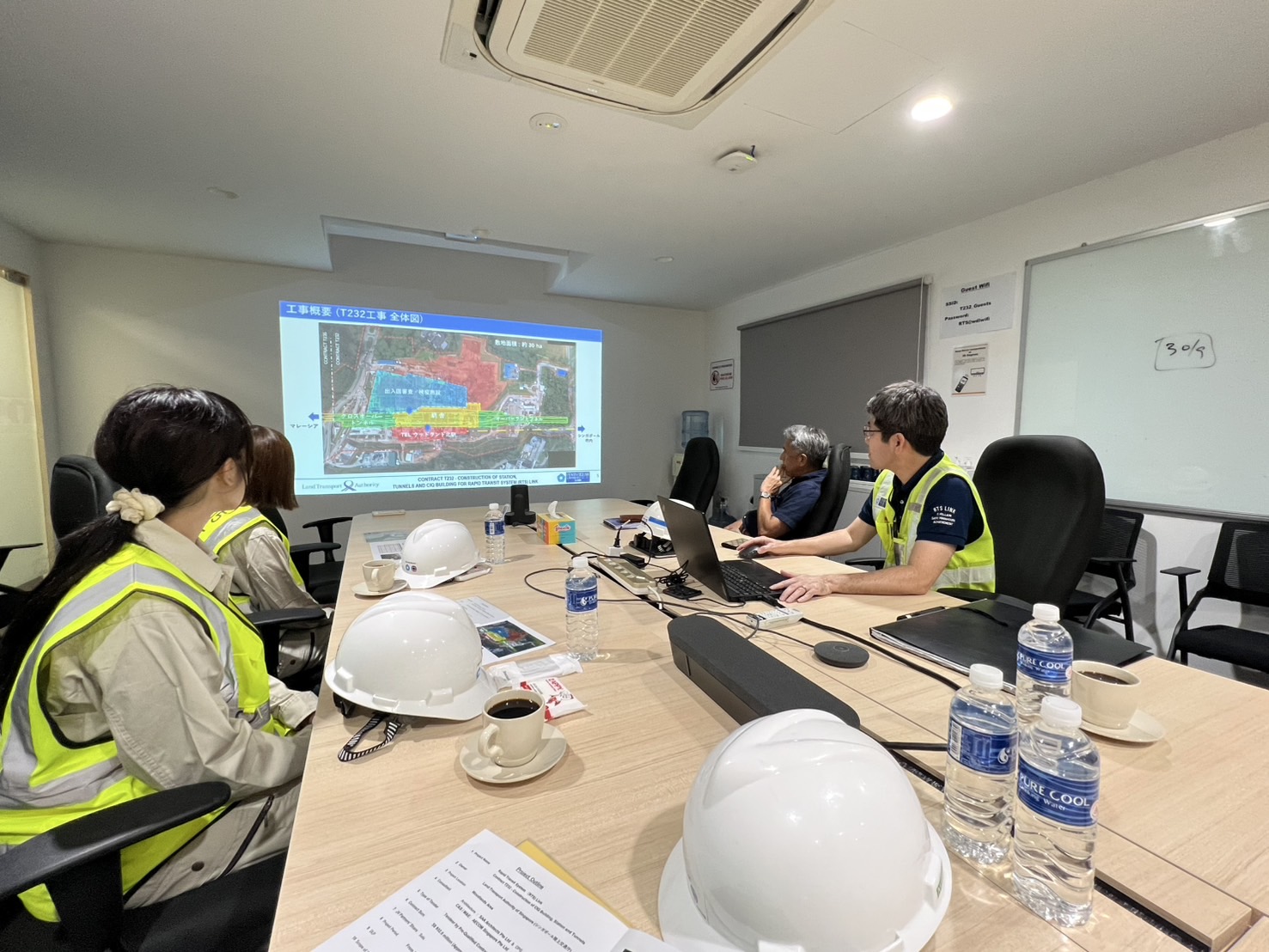
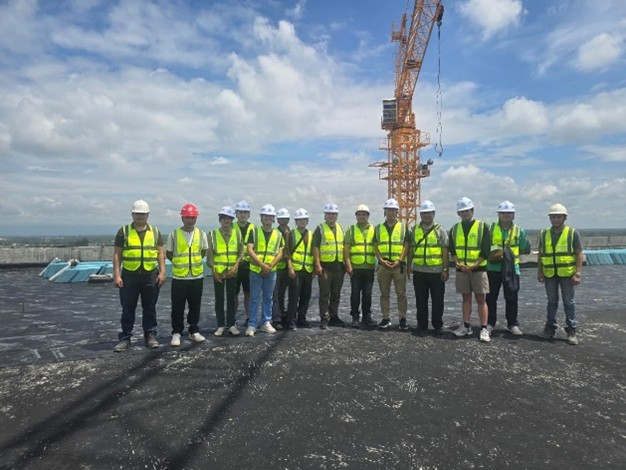
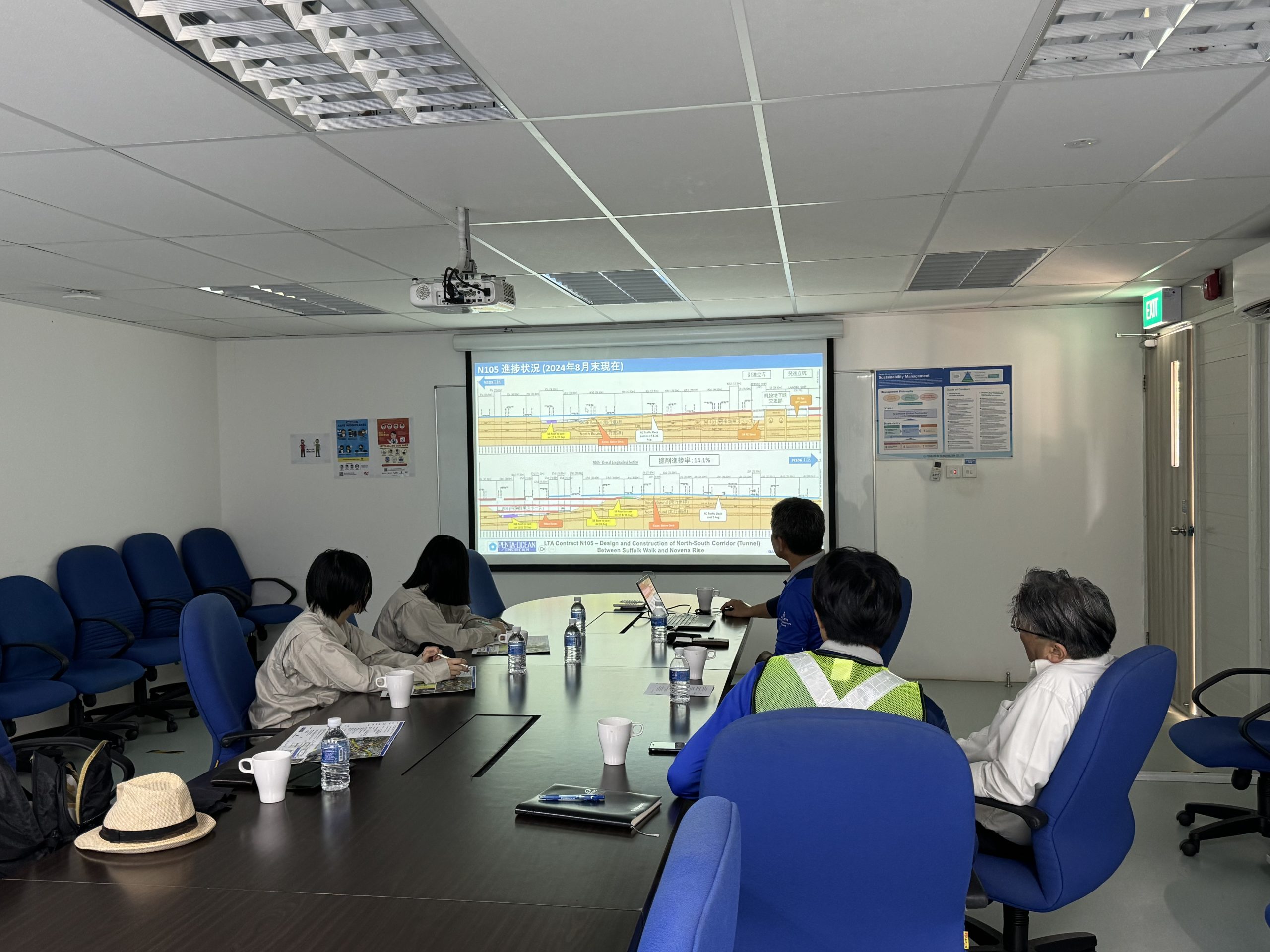
Furthermore, Nagasaki University sent two students each to Nanyang Technological University (NTU) in Singapore and National University of Laos (NUOL). In Singapore, in addition to visiting NTU, the students participated in a three-day internship program at the Japanese-affiliated company Penta-Ocean Construction Co., Ltd., where they had the opportunity to observe infrastructure construction sites. This firsthand experience overseas during the internship was a rare and valuable opportunity that could influence their future career choices.


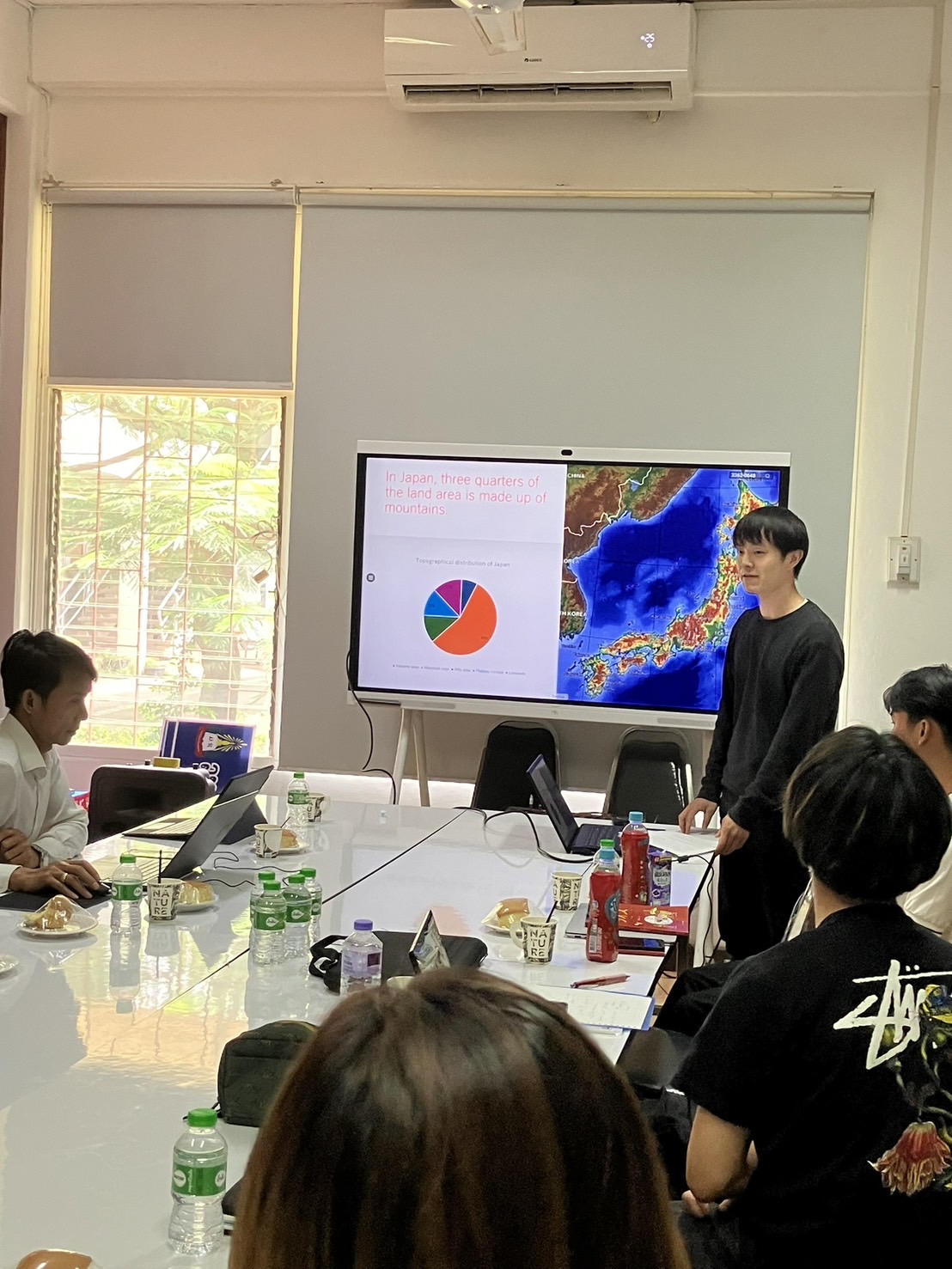
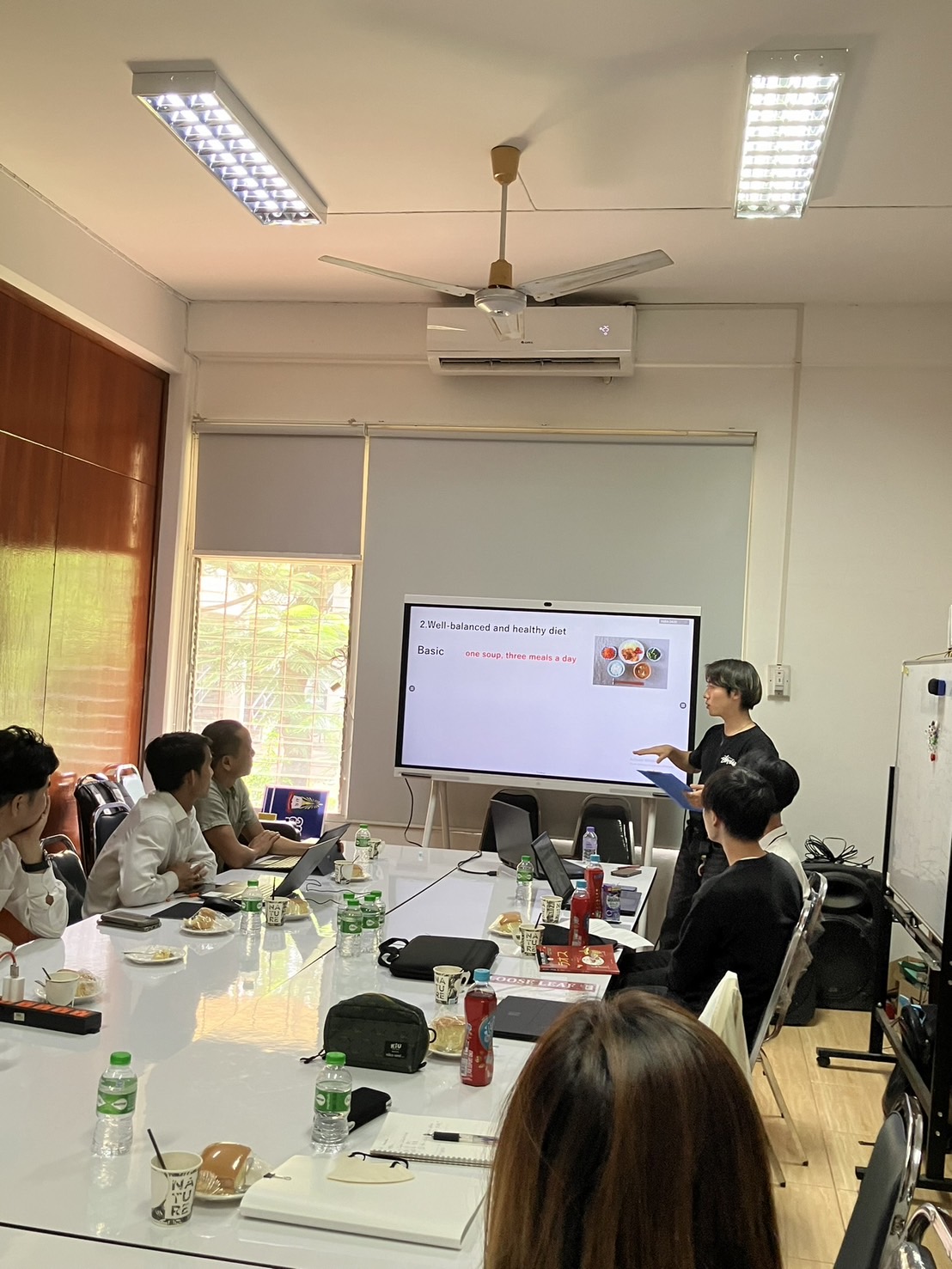
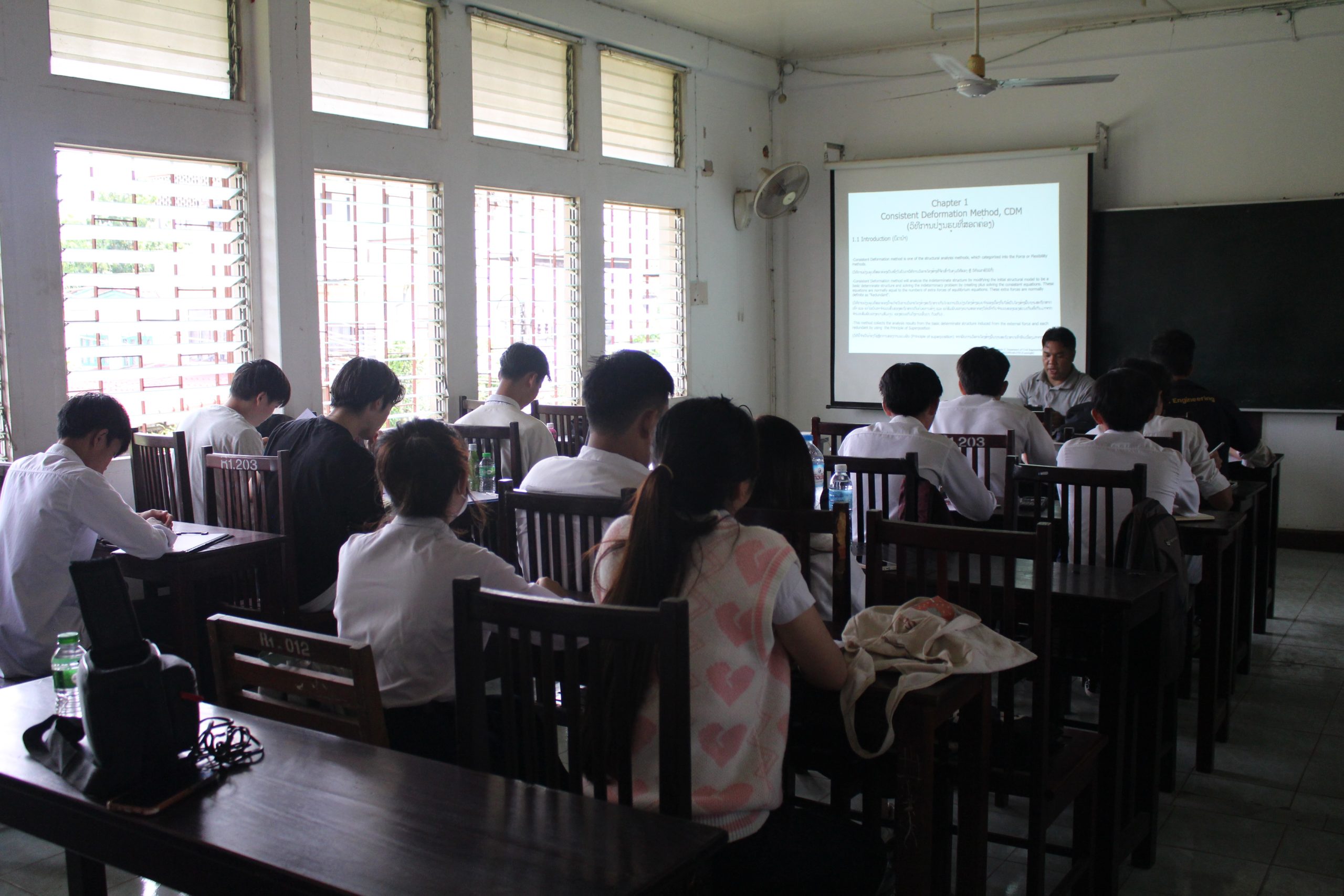
In Laos, NUOL organized a special program for two NU and one SKKU students, which included: ① presentations by students from each university, ② infrastructure lectures, ③ construction site visit, and ④ city tour. This program deepened their understanding of the infrastructure situation in Laos and enhanced their appreciation of the local culture and people through interactions with NUOL students.

The Campus Asia Program Mode 3, which has facilitated exchanges among five participating universities, will conclude in March 2026. Through ongoing program evaluation and improvement, it has delivered high-quality content and invaluable opportunities for students, achieving significant outcomes as the culmination of Mode 3.
2024.12.06

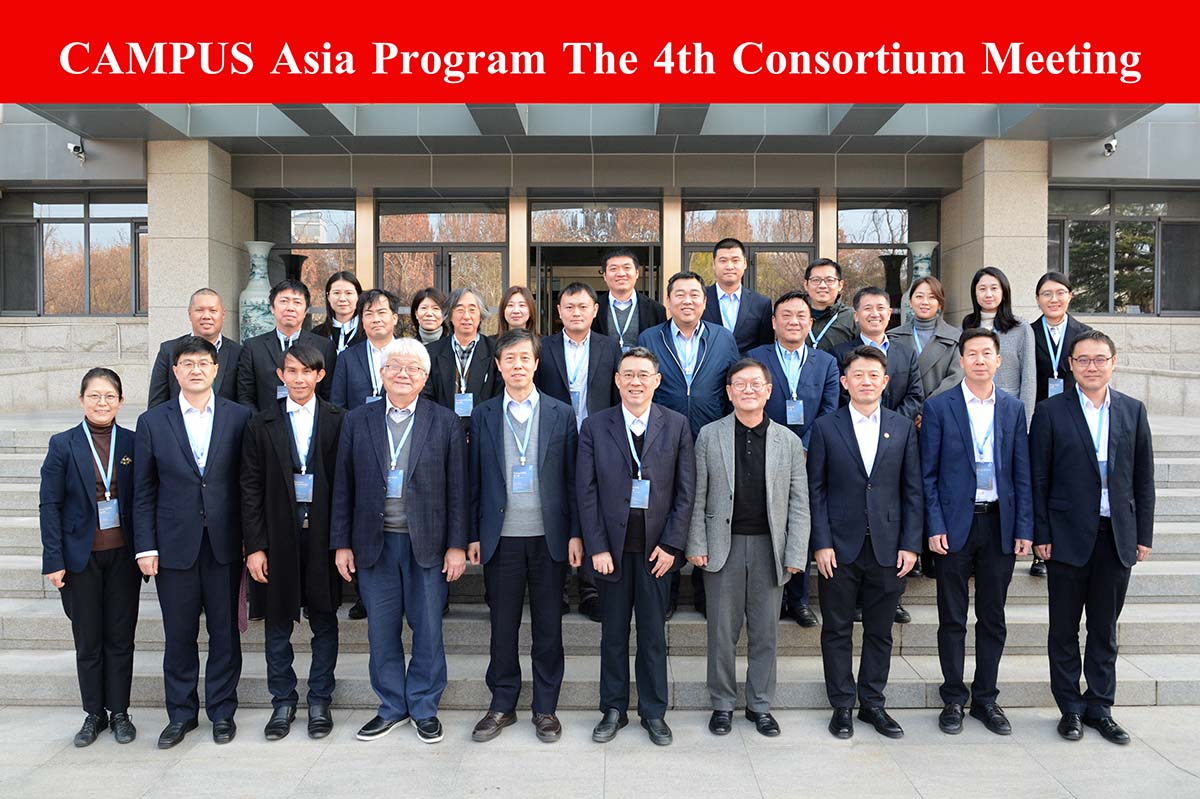
The 4th Consortium Meeting of CAMPUS Asia Program for Nurturing Global Leaders in Sustainable Infrastructure Development

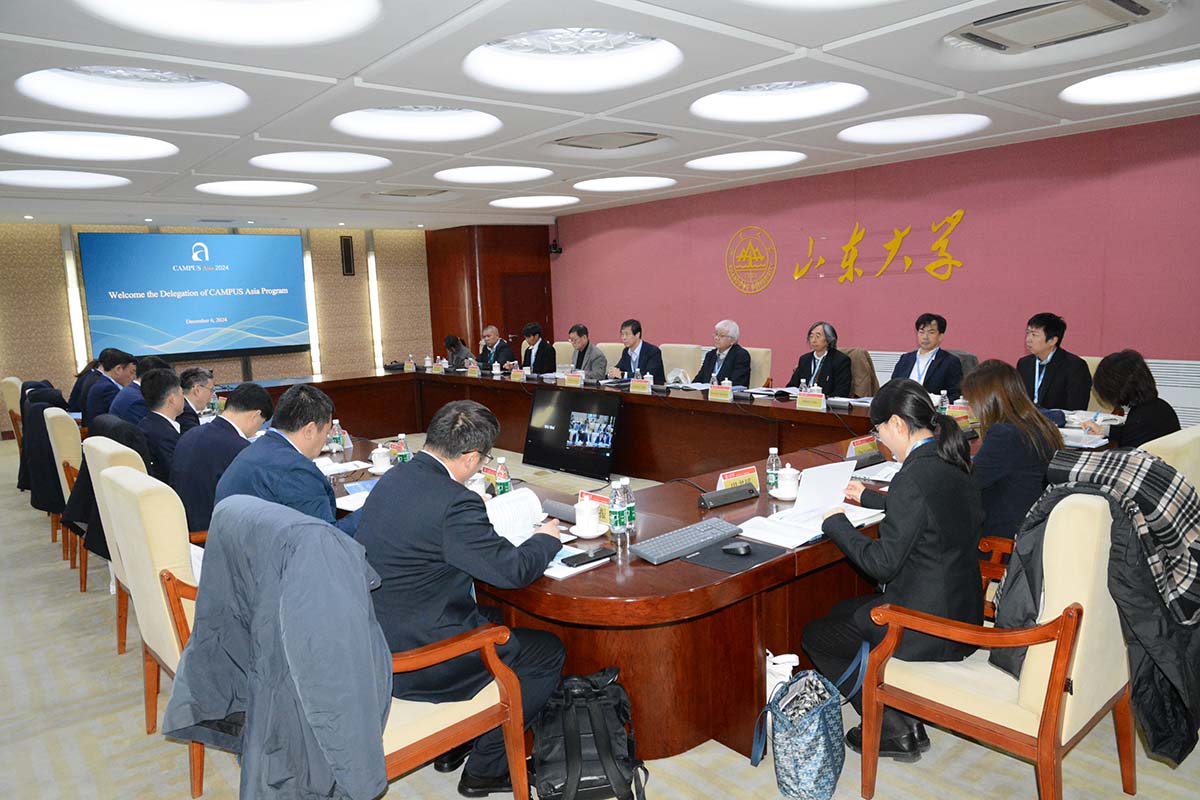
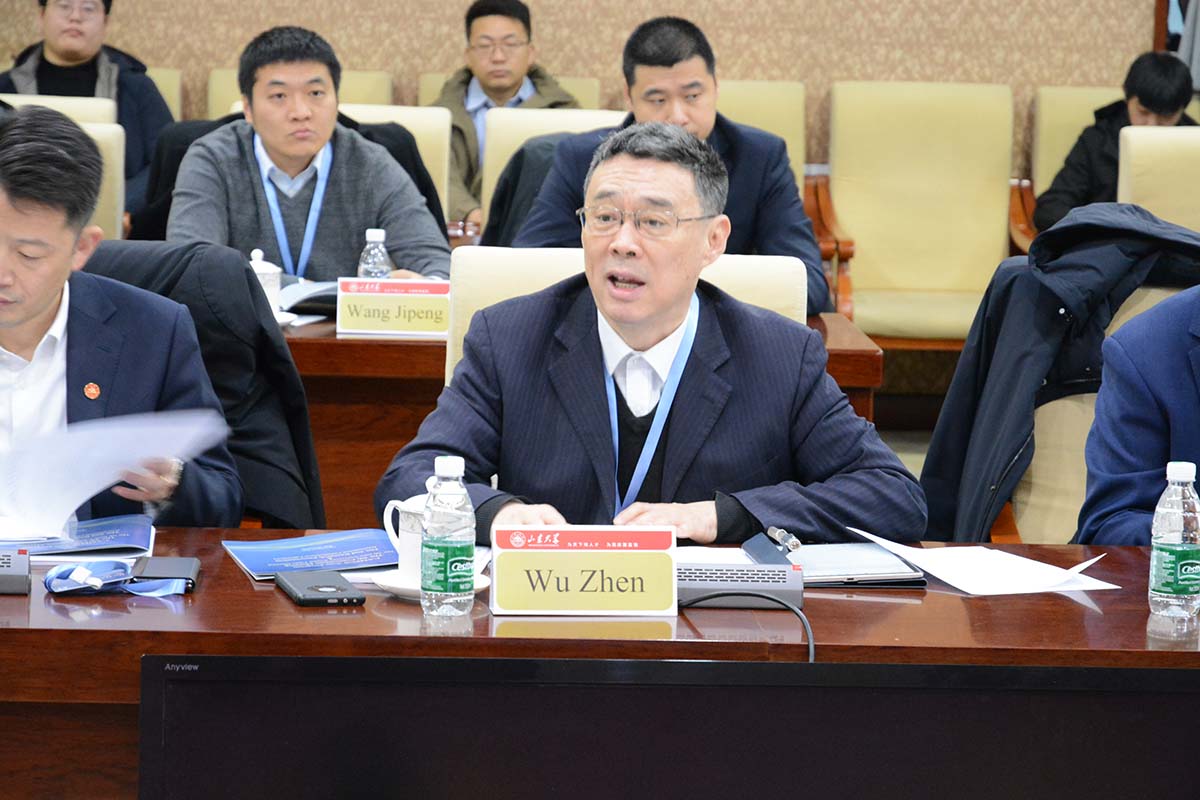
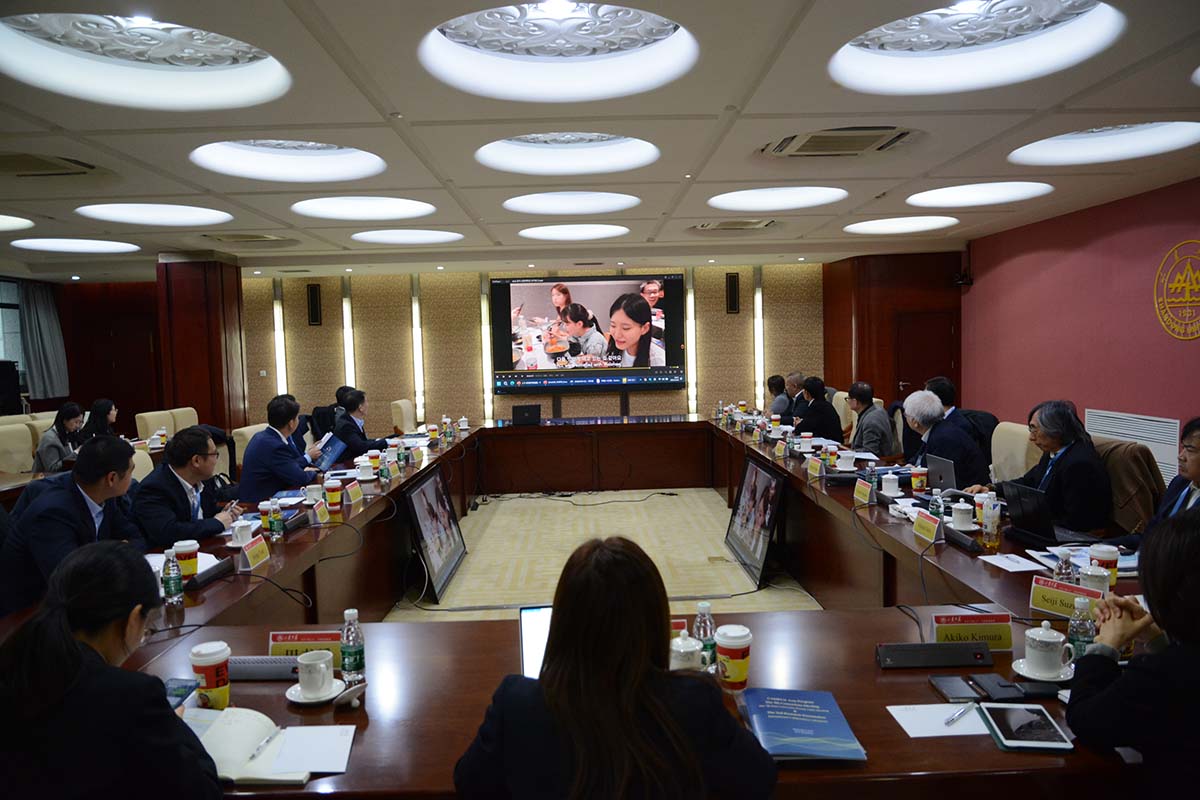
On December 6, 2024, the 4th Consortium Meeting of CAMPUS Asia Program for Nurturing Global Leaders in Sustainable Infrastructure Development was held at Shandong University, China. A total of 31 participants from five participating universities (7 from Nagasaki University, 2 from Sungkyunkwan University in Korea, 19 from Shandong University in China, 2 from National University of Laos, and 1 from Nanyang Technological University in Singapore) attended this consortium meeting.

In the opening remarks, each university reviewed and commented that the CAMPUS Asia Program contributed significantly to nurturing global human resources for infrastructure development, by constantly improving DD Program, Short-Term Exchange program, and introducing a credit transfer system. In addition, the participants expressed their hope that the establishment of the International Collaboration Laboratory would lead to further cooperation between universities, soliciting more active research collaboration and faculty exchanges.

The main topics of this meeting were as follows:
1) 2024 Implementation Report on four major programs
 a) Hybrid Short-Term Exchange Program
 b) Double Degree Program (DD)
 c) ASEAN Expanded Short-Term Exchange Program
 d) International Collaboration Laboratory
2) 2025 Implementation Plan
3) Discussion to further improve the quality of the program

Regarding the implementation plan for 2025, all participants agreed on the proposed schedule and number of exchange students for the four major programs. Regarding the ASEAN Expanded Short-Term Exchange Program, Nagasaki University announced its plan to continue to accept students from the National University of Laos (NUOL), as well as to dispatch students to both NUOL and Nanyang Technological University in FY2025. It was also agreed that an international symposium and alumni event would be held simultaneously at Nagasaki University in late 2025.

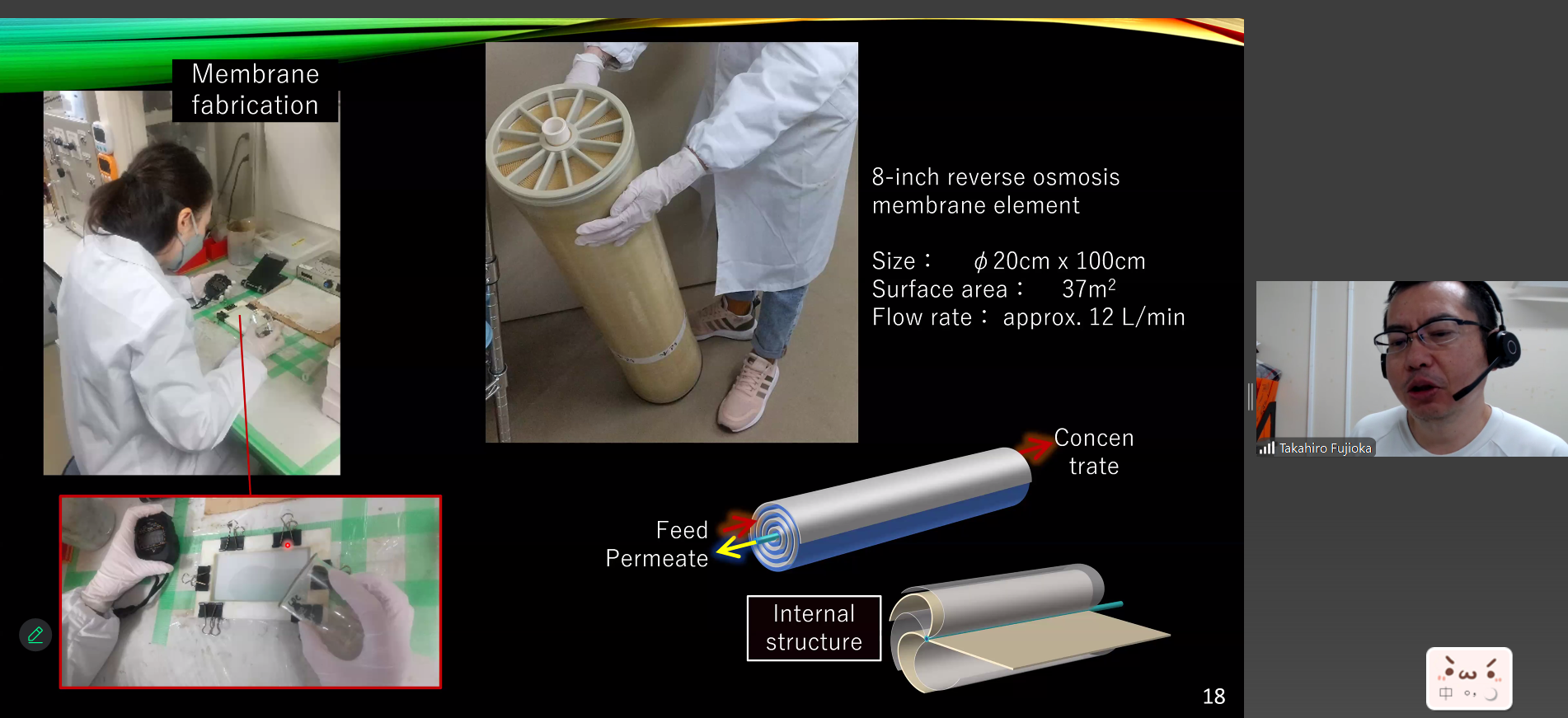
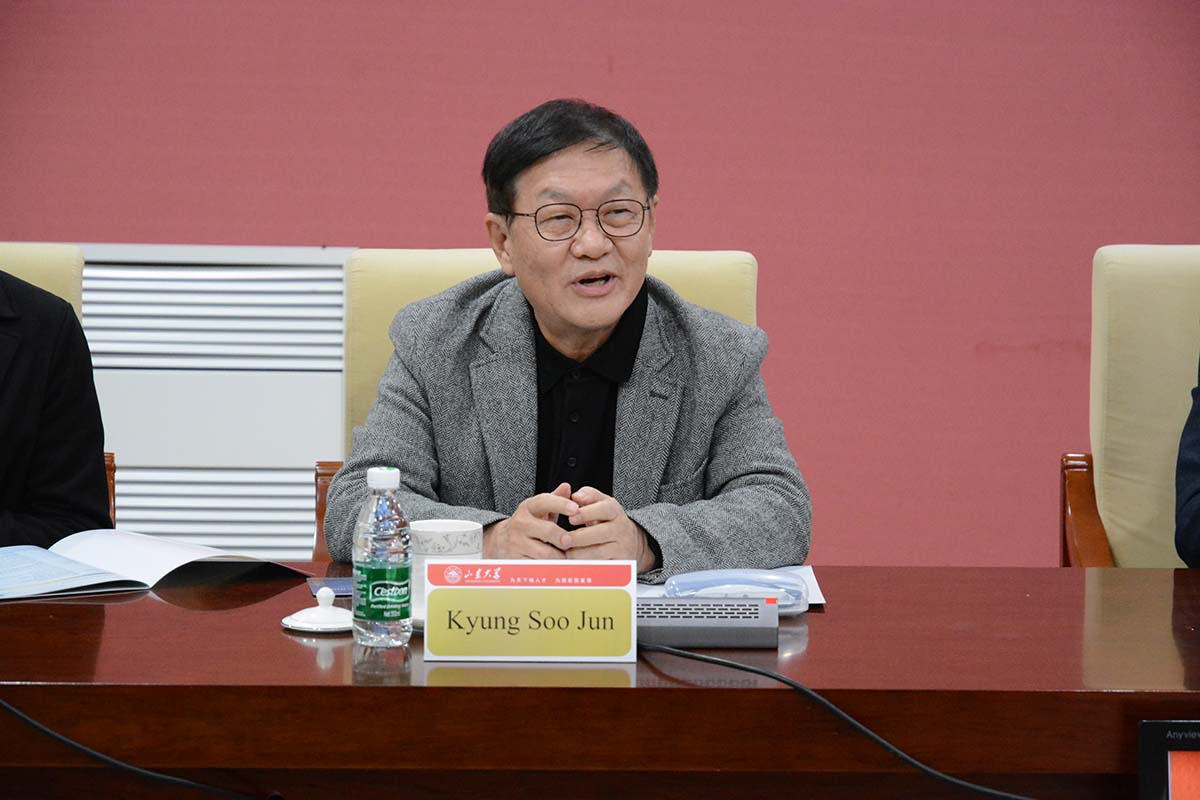
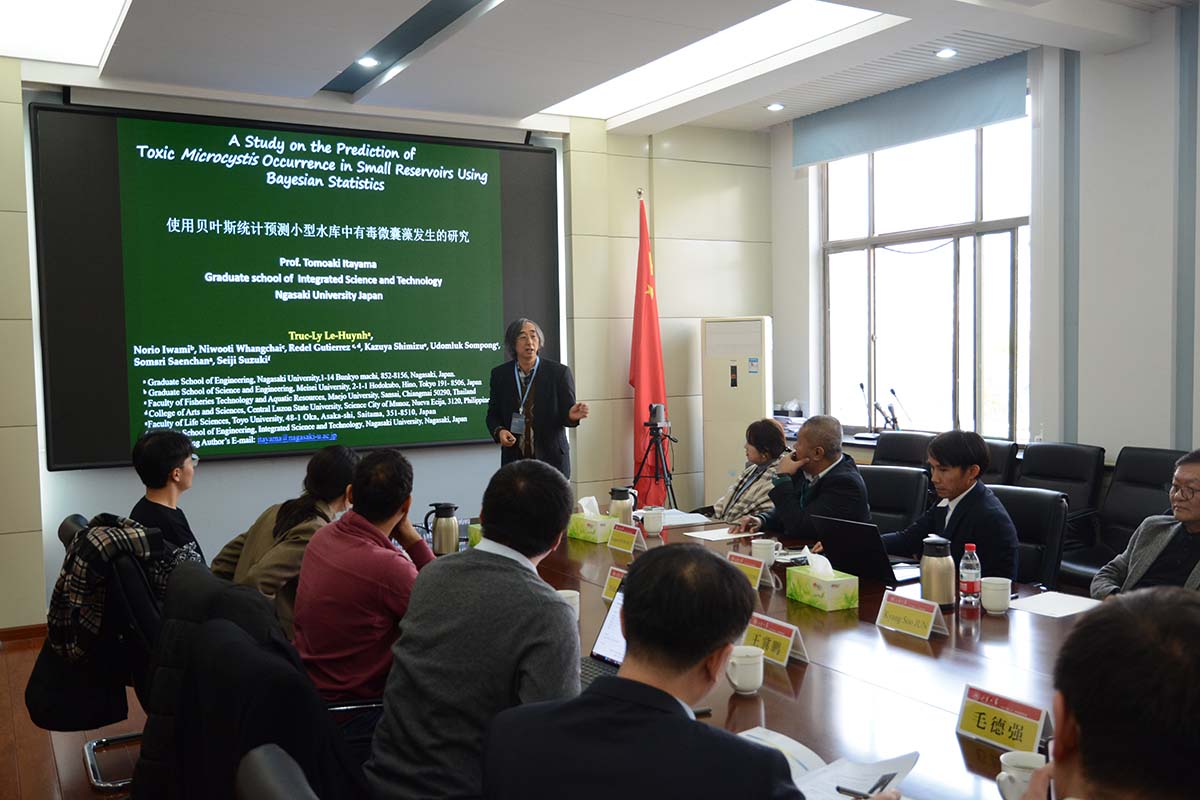
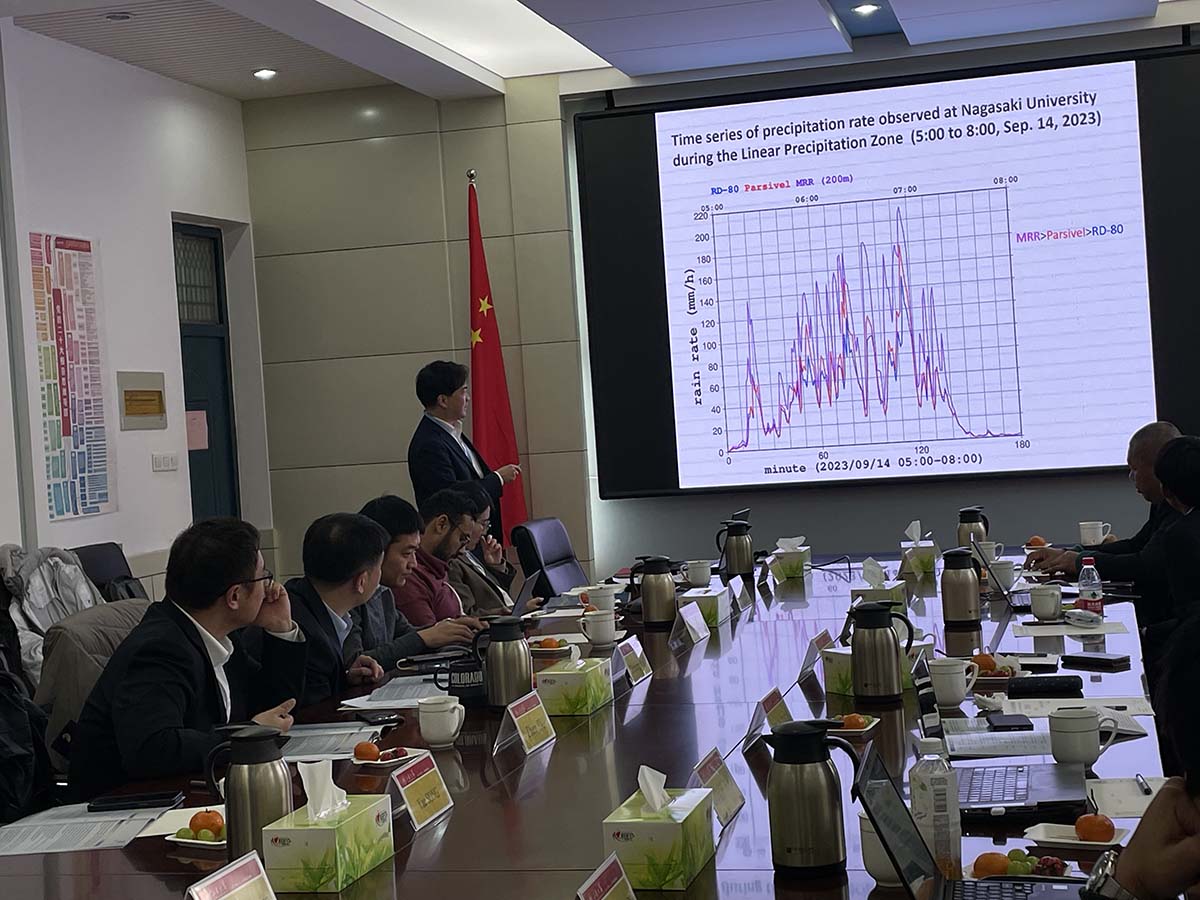
After the meeting, Shandong University hosted “The Second Research Exchange Seminar” to promote research exchange between universities. From Nagasaki University, Professor Tomoaki Itayama and Associate Professor Shinta Seto presented their research results.

The third mode of the CAMPUS Asia Program will come to an end in March 2026. Since FY2025 will be the final year of the program, five universities have confirmed that they will continue to work closely to further enhance the quality of the program in 2025.

2024.09.30

ASEAN Expanded Exchange Program 2024

An ASEAN-Expanded Exchange Program was implemented from August 22 through September 17, 2024, and one faculty member and one master’s degree student from National University of Laos were invited to Nagasaki University to exchange research information and explore the future possibilities of research collaboration. Both were accepted to the laboratory of Civil and Environmental Engineering Program and undertook research activities and information exchange under the supervision of Associate Professor Takafumi Nishikawa (Structural Engineering Lab) for 27 days.

2024.09.30

Hybrid Short-Term Exchange Program 2024

From July 13, 2024, a Hybrid Short-Term Exchange Program 2024 was implemented among five participating universities: Nagasaki University, Sungkyunkwan University (South Korea), Shandong University (China), National University of Laos, and Nanyang Technological University (Singapore). This program is part of the CAMPUS Asia Program, which aims to foster infrastructure professionals who can play an active role on the global stage and is designed to provide the opportunity to understand the different cultures and current status of infrastructure in each country. The program consisted of two parts: (1) online lectures (7/13-8/3) and (2) on-site programs at each university (8/9-8/28). A total of 36 students from four universities (12 from Nagasaki, 10 from Sungkyunkwan, 12 from Shandong, and 2 from Laos) participated this year. In addition, Nagasaki University started dispatching students to the ASEAN region from this year: Laos and Singapore (2 students each), for more active student exchange in the wider region.


The program at each university included special lectures, local language lesson, cultural experiences, city tours and visits to infrastructure sites. At Nagasaki University, we arranged an overnight trip to Unzen and Shimabara to visit disaster stricken sites and infrastructure facilities in Nagasaki. On the last day of the program, each group gave a presentation of their results, and it was evident that each group had lively exchanges during the three-week program, making it a meaningful program for each student.


In addition, from this year, the framework of the CJK exchange program was extended to the ASEAN region. Nagasaki University dispatched two students each to Nanyang Technological University (Singapore) and National University of Laos. In Singapore, while students visited Nanyang Technological University, they also had the opportunity to participate in the internship training for three days at a local Japanese company’s infrastructure construction site, with special support from the Penta-Ocean Construction Co., Ltd. It provided them with first-hand experience of overseas infrastructure building and was a very precious experience for them that may have a significant impact on their future careers.


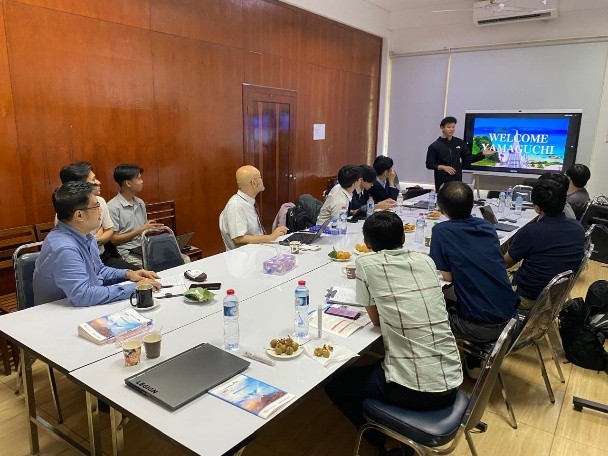
In Laos, the program was prepared by National University of Laos: (1) Presentations by students from both sides introducing the current status of infrastructure in Japan and Laos, (2) Infrastructure lectures, (3) Lao Art Museum construction site visit, and (4) a Vientiane City tour. The students were also able to deepen their understanding of the local culture and people through exchanges with many Laotian students.


As the Campus Asia program comes to an end in March 2026, the next Hybrid Short-Term Exchange Program in 2025 is expected to be the final one.

2024.04.30

The 7th Working-Level Round-Table Meeting on Campus Asia Program

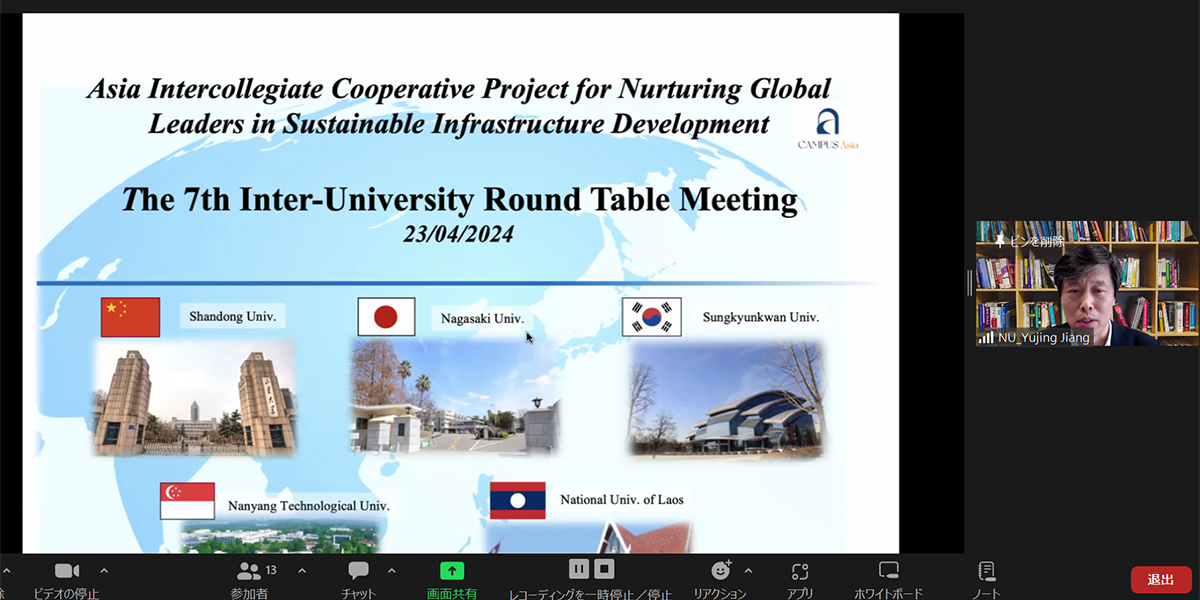
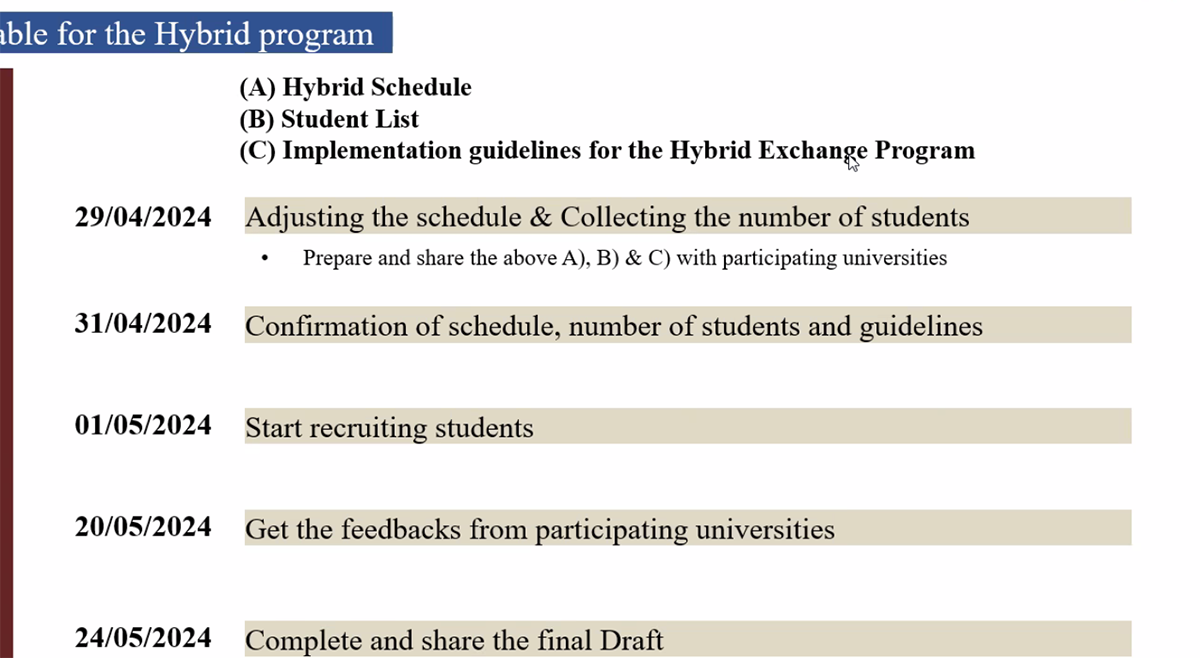
The 7th Working-Level Round-Table Meeting on Campus Asia Program was held online on April 23, with the participation of Shandong University (China), Sungkyunkwan University (Korea), National University of Laos, Nanyang Technological University (Singapore), and Nagasaki University. At this meeting, discussions were held mainly on the “2024 Hybrid Short-Term Exchange Program”, and this year’s host, Sungkyunkwan University, gave a detailed explanation on the implementation plan. As a result, it was decided that the overall schedule would be from July 13 to August 28, with online lectures from July to early August, followed by the actual study abroad program in the order of Korea, China, and Japan. After the program at Nagasaki University, additional study abroad programs in Laos and Singapore are also planned, depending on how the academic calendars of each university are adjusted. The number of participants and the details of student support plan at each university have largely been decided, and each university will now work on specific preparations, such as recruiting students and adjusting lecture contents and schedules.

Next, NU’s Associate Professor Suzuki explained the plan between Nagasaki University and National University of Laos for the “ASEAN Extended Short-Term Exchange Program,” which will be fully implemented from this academic year. He also said that Nagasaki University will start concrete preparations based on this plan, and that he expects other universities to initiate active discussions between the two universities toward its implementation as well.

Associate Professor Suzuki also explained Nagasaki University’s plan on inviting special research students to NU’s Graduate School of Integrated Science and Technology for laboratory exercises, as part of the “International Collaboration Lab” scheme. The International Collaboration Lab is one of the important components of the CAMPUS Asia Program and was launched to boost active research exchange not only among students but also among faculty members.

Lastly, the results of the interim evaluation conducted last fall by the Ministry of Education, Culture, Sports, Science and Technology (MEXT) were released last month, and it was reported that this program received an “A” grade. The comments from the Ministry were also shared, and the meeting was concluded with the confirmation that the five universities will continue to cooperate with each other to further enhance the program and ensure its smooth and steady implementation.

2024.04.12

The 1st External Evaluation Committee Meeting for Nagasaki University’s CAMPUS Asia Inter-University Exchange Project (Mode 3) was held.

The 1st External Evaluation Committee Meeting for the CAMPUS Asia Inter-University Exchange Project (Mode 3) was held on March 11, 2024, at Nagasaki University. The committee consisted of four members: Professor Emeritus of Yamaguchi University, Chairman of Dai Nippon Engineering Consultants, Professor of NU Graduate School of Biomedical Sciences, and Professor of NU Graduate School of Fisheries and Environmental Sciences. The purpose of the meeting was to review the implementation of the project “Asia Intercollegiate Cooperative Project for Nurturing Global Leaders in Sustainable Infrastructure Development” (Mode 3) to date, and discuss room for improvement for better implementation through the end of this project.

The meeting was opened with an address by Prof. Daisaku Sakaguchi, Dean of the Graduate School of Engineering, followed by an explanation by Assoc. Prof. Seiji Suzuki on the project’s 1) Overview (background, objectives, etc.), 2) Progress, and 3) Future Prospects. Next, the external evaluation committee members reviewed the results of the past 3 years since the beginning of this project (Mode 3). While we received generally high evaluations of our efforts in this project, we also received candid comments from various perspectives, including the need for a follow-up survey of alumni after their participation in this project, the need for more effective PR activities with specific figures, and the need for appropriate evaluation of the faculty members in charge and strengthening of the project support system by the university.

As an advisory body to the Consortium Steering Committee for Human Resource Development in Infrastructure, the external evaluation committee consisting of experts from inside and outside the university was convened to evaluate and verify the status of the project, including the content of the student exchange program, quality of education, and appropriate PR, thus enabling us to make continuous improvements based on the recommendations and opinions of the committee. In the evaluation report by the committee, it is stated, “It is highly commendable that the project plan has been steadily implemented, including regular consortium meetings to guarantee the quality of the student exchange program and education. While the appropriate organizational structure within the department is in place for the continuation of the project, further strengthening of the project support system as a university organization, including appropriate evaluation of the faculty members in charge, is desired.” The external evaluation report will be posted on our website in due course.

We will take the valuable feedback from the committee seriously and use it to further develop our project for the next two years until the end of the project’s implementation period (Mode 3).

2024.01.26

CAMPUS Asia Winter Short-Term Exchange Program in NAGASAKI

Six graduate students from Sungkyunkwan University (SKKU) in Korea came to Nagasaki University (NU) to participate in “CAMPUS Asia Winter Short-Term Exchange Program in Nagasaki” from January 15th through 26th, 2024. The program was designed as part of CAMPUS Asia Program and those SKKU graduate students were accepted as “special research student” for two weeks.

The program mainly consisted of three parts: 1) lectures, 2) site visits, and 3) practical exercises at laboratory, and key themes were on Japan’s natural disaster and its reconstruction efforts, and also, watershed, soil and environment protection and management. After obtaining basic knowledge with lectures, students made a field trip to disaster-stricken Shimabara (volcanic eruption occurred in 1990) and Kumamoto (earthquake occurred in 2016) and witnessed the magnitude of natural disasters and learned how Japanese people responded and restored with advanced technologies to cope with the situation. Students were also assigned to two laboratories, i.e. Watershed Environment Lab and Structural Engineering Lab, and experienced practical exercises such as field study, experiment and data analysis.


Besides the lectures and lab exercises, cultural programs such as Japanese language lesson, Japanese food cooking, and student exchange session with NU students were also organized for better understanding of Japanese culture. During the private time, students were busy exploring Nagasaki and enjoyed eating Japanese cuisine, taking street cars and wandering around the city on their own.


On the last day of this program, three faculty members of SKKU attended in person to observe final presentation session, and students made group presentations on what they have learned and experienced during this program and how the program contributed to stimulate their intellectual curiosity. As some of them already expressed their interest in pursing their study-abroad in the future, we hope that many students at SKKU will become more familiar with CAMPUS Asia Program and participate in the program in the future.

2023.11.30

The 3rd Consortium Meeting for Nurturing Leading Infrastructure Engineer

The 3rd Consortium Meeting for Nurturing Leading Infrastructure Engineer was held on November 13, 2023 at Sungkyunkwan University in Korea and representatives from Sungkyunkwan University (Korea), Shandong University (China), National University of Laos (Laos), and the Graduate School of Engineering, Nagasaki University, participated in the meeting to discuss and exchange opinions on Campus Asia Program.

To begin with, the implementation report on FY2023 “Hybrid Short-Term Exchange Program” was made by this year’s host university, Shandong University. The overall result turned out to be a success with increased number of participants, and moreover, all the participants were able to travel to two other countries for taking part in the program in-person, and feedbacks from the students were overall favorable ones. Also, program report on FY2023 Double Degree Program was made by Nagasaki University, followed by an active discussion as to the current implementation status as well as some challenges and proposals related to Double Degree Program and Hybrid Short-Term Exchange Program.

As to the plan for 2024, all representatives agreed to launch the new program “ASEAN Expanded Short-Term Exchange Program” from FY2024 including Nanyang Technology University (Singapore) and National University of Laos, while continuing the existing Double Degree Program and Hybrid Short-Term Exchanging Program. Having the MOA between Nanyang University and Nagasaki University been concluded this year, Nagasaki University now plans to send two students to Nanyang University on trial basis starting from 2023.

Finally, the representatives discussed on “International Collaboration Laboratory”, which is a resource sharing system among participating universities, proposed by Assoc. Prof. NISHIKAWA of Nagasaki University to solicit effective utilization of resources, joint research, as well as co-hosting of symposium, etc. Representatives from China, Korea and Japan agreed to sign on the agreement by the end of 2023, and once this agreement is concluded, it is much-anticipated to boost the active research exchange not only among students but also among faculties of all participating universities.

ARCHIVES